Finding a cheap electric SUV no longer means sacrificing quality or performance. As the EV market grows, more automakers offer budget-friendly models with modern features. These vehicles provide zero-emission driving without breaking the bank. From city commutes to weekend trips, a cheap electric SUV fits into everyday life easily.
In addition, these SUVs come with advanced safety tech, long-range capabilities, and roomy interiors. Many include heated seats, touchscreens, and driver-assist systems. Some even support fast charging. As battery costs drop, prices follow. Because of this shift, owning an electric SUV is now within reach for average buyers.
 Why Choose a Cheap Electric SUV Over Gasoline Models
Save Money While Helping the Environment
One major reason drivers pick a cheap electric SUV is long-term savings. Fuel costs disappear overnight. Charging at home costs far less than weekly gas fills. As a result, monthly expenses drop significantly.
Maintenance also becomes cheaper. Electric motors have fewer moving parts. There are no oil changes, timing belts, or exhaust systems. This reduces service visits and repair bills.
Insurance rates may be lower too. Some providers offer discounts for eco-friendly vehicles. Safe driving records increase those benefits further.
Emissions go to zero during operation. No tailpipe means cleaner air in cities. This helps reduce pollution and climate impact. Every mile driven supports sustainability.
Government incentives add extra value. Tax credits or rebates can cut thousands off the purchase price. Local programs sometimes cover charging station installation.
Resale value stays strong. Demand for EVs continues rising. Even older models hold their worth better than expected. Buyers find it easy to upgrade later.
Home charging brings convenience. Plug in at night and wake up to a full “tank.” No more detours to gas stations. Life becomes simpler.
Therefore, choosing a cheap electric SUV makes financial and environmental sense. It’s a smart move for today and tomorrow.
 Top Features to Expect in Budget-Friendly Models
Modern Tech Without the High Price Tag
Even affordable electric SUVs come with impressive features. Most include digital dashboards and infotainment screens. Bluetooth, Apple CarPlay, and Android Auto connect your phone instantly.
Safety tools are standard. Forward collision warning, automatic emergency braking, and lane-keeping assist protect everyone. Blind-spot monitoring adds peace of mind.
Climate control keeps cabins comfortable. Heated front seats are common. Some models offer rear heat ducts for winter comfort.
LED headlights improve visibility. They last longer and use less power than halogen bulbs. Daytime running lights enhance curb appeal.
Keyless entry and push-button start simplify access. Lock or unlock from a distance. Start the car without inserting a key.
Rearview cameras help with parking. Many include guidelines that show turning paths. Backup sensors beep when close to objects.
Interior space remains generous. Compact electric SUVs still fit five adults. Cargo areas hold groceries, luggage, or sports gear. Fold-down seats expand storage.
Power outlets let you charge devices. USB ports sit in front and back. A 12V socket powers GPS units or coolers.
These features prove that cheap electric SUVs don’t feel low-end. They deliver real-world benefits.
How Range and Charging Work in Entry-Level EVs
Realistic Expectations for Daily Driving
Range matters when buying a cheap electric SUV. Most budget models offer between 150 and 250 miles per charge. This covers daily commutes and errands with ease.
City drivers rarely face range anxiety. Short trips drain little power. Regenerative braking recovers energy during stops. This extends usable mileage.
Highway travel uses more battery. At 65+ mph, efficiency drops slightly. However, most trips under 200 miles stay within safe limits. Plan charging if going farther.
Level 1 charging uses a standard outlet. It adds about 4–5 miles per hour. Overnight charging works well for most users.
Level 2 chargers are faster. Installed at home or used in public, they deliver 25–30 miles per hour. Full charges take 6–8 hours.
Public networks like ChargePoint or Electrify America support DC fast charging. Some models accept it. A 30-minute stop adds 80 miles.
Many apps track nearby stations. PlugShare and Google Maps show availability. Filters include cost, speed, and connector type.
Cold weather reduces range temporarily. Batteries perform slower in freezing temps. Preconditioning the cabin while plugged in helps.
With planning, charging fits naturally into routines. Owning a cheap electric SUV doesn’t mean constant worry.
 Comparing the Best Cheap Electric SUV Models on the Market
Which One Fits Your Lifestyle and Budget
Several brands now offer reliable cheap electric SUVs. The Chevrolet Bolt EUV stands out. It delivers over 240 miles of range. Its smooth ride and quiet cabin impress daily drivers.
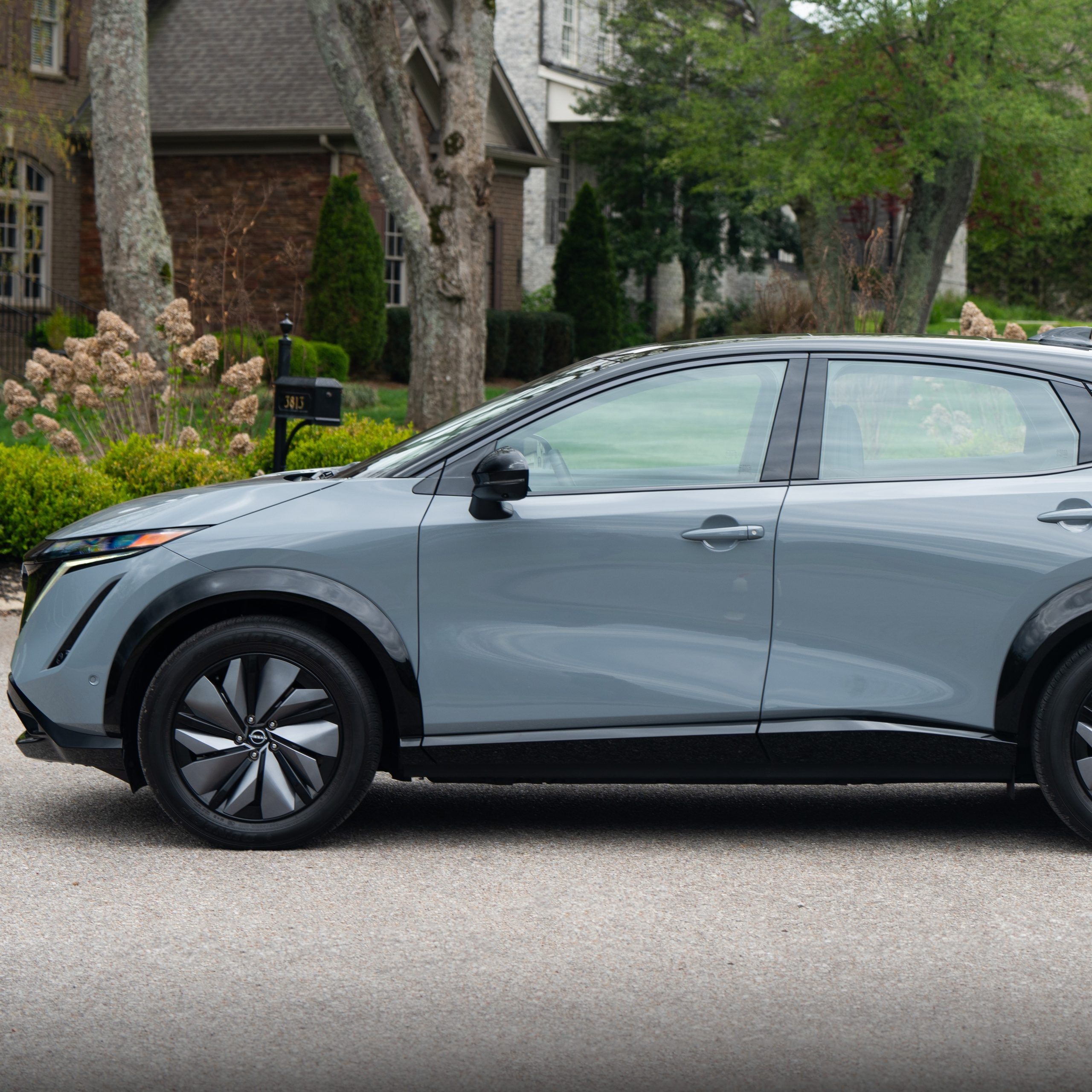
The Nissan Ariya offers stylish design and dual-motor options. Base models stay under $35,000 after incentives. ProPILOT Assist supports hands-free driving on highways.
Hyundai Kona Electric provides strong value. It has quick acceleration and excellent build quality. Heated seats and wireless charging come standard.
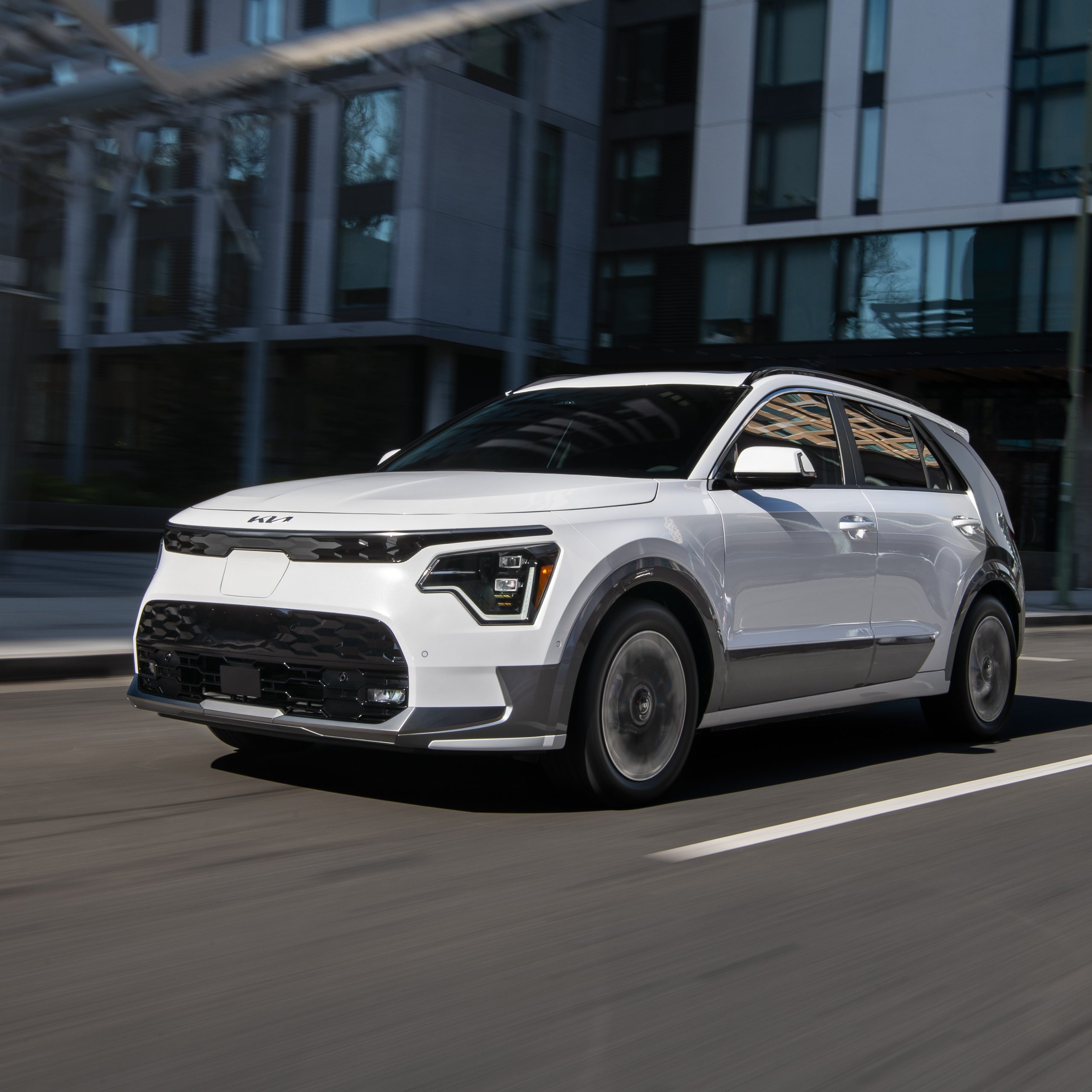
Kia Niro EV shares parts with the Kona. It offers similar range and comfort. Cargo space exceeds many rivals. Warranty coverage lasts ten years.
Mini Cooper SE Countryman All4 combines fun handling with efficiency. It’s smaller but agile. Perfect for urban environments with tight streets.
Fiat 500e brings Italian style to the segment. Colorful interiors and compact size attract young buyers. Digital dashboard looks futuristic.
MG ZS EV enters Western markets at very low prices. Though lesser-known, it includes cruise control and a large screen. Great for first-time EV owners.
Each model suits different needs. Compare based on range, cargo, tech, and test drives.
Leasing options also exist. Monthly payments can drop below $200. This opens access to even more people.
A cheap electric SUV no longer means compromise. Real choices are now available.
Home Charging Setup: What You Need to Know
Simple Installation for Everyday Convenience
Setting up home charging makes a cheap electric SUV easy to use. Level 1 charging works with any wall outlet. Just plug in using the included cord.
However, Level 2 is better for regular use. It requires a 240-volt circuit. Install one in your garage or driveway.
Hire a licensed electrician. They inspect your panel and run new wiring. Permits may be needed depending on local codes.
Wall-mounted chargers like JuiceBox or ChargePoint are popular. They charge faster and track usage. Some link to smartphone apps.
Costs vary by region. Equipment runs 400 700. Installation ranges from 500to1,500. Tax credits or utility rebates may cover part of it.
Apartment dwellers have options too. Talk to management about shared stations. Use public spots near stores or gyms.
Smart scheduling saves money. Charge during off-peak hours. Rates are often lowest at night. Some apps automate this process.
Keep the cable tidy. Use hooks or reels to prevent tripping. Store it away from snow and rain.
Charging time depends on battery size and charger speed. Most overnight sessions finish by morning. Wake up ready to go.
With basic setup, a cheap electric SUV becomes hassle-free.
 Long-Term Ownership Benefits and Savings
More Than Just Lower Fuel Bills
Owning a cheap electric SUV pays off over time. First-year savings start with fuel. Electricity costs less per mile than gasoline. This gap widens as gas prices rise.
Maintenance is lighter. No oil, filters, spark plugs, or transmissions. Brake pads last longer due to regen braking. Fewer fluids mean fewer services.
Tires wear normally. Rotate them every 6,000 miles. Proper inflation improves range and tread life.
Battery health stays strong. Most EVs have 8-year warranties. Thermal management systems prevent overheating. Avoid frequent DC fast charging to extend lifespan.
Depreciation is lower than expected. Early fears about resale have faded. Certified pre-owned EVs sell quickly. Strong demand supports value.
Fewer mechanical failures occur. Electric drivetrains are simple and durable. Reliability ratings for EVs match or beat gas cars.
Insurance may cost slightly more upfront. However, safe driving habits and anti-theft features bring discounts. Bundling policies reduces premiums.
Parking perks exist in some cities. Free charging zones or reserved spots reward EV owners. HOV lane access cuts commute time.
Overall, total cost of ownership drops. A cheap electric SUV gives lasting value.
Eco-Friendly Living Starts With Your Vehicle Choice
Reduce Your Carbon Footprint Today
Choosing a cheap electric SUV supports environmental goals. Zero tailpipe emissions improve air quality. Smog levels fall in busy urban areas.
Even when powered by the grid, EVs pollute less. Electricity sources grow greener every year. Solar and wind power replace coal and gas plants.
Manufacturers use recycled materials. Interior trims include plastic bottles and reclaimed fabrics. Sustainable practices extend beyond driving.
Battery recycling programs are expanding. Companies recover lithium, cobalt, and nickel. Reuse reduces mining needs and waste.
Clean transportation influences others. Neighbors notice your quiet, efficient SUV. Conversations begin about switching.
Local governments promote change. Incentives encourage adoption. Cleaner fleets lead to healthier communities.
Noise pollution drops too. Electric motors are nearly silent. Cities become calmer and safer for pedestrians.
Every choice adds up. A single cheap electric SUV removes one gas car from roads. Multiply that across millions.
Living green starts with practical steps. Your next vehicle can be part of the solution.
Frequently Asked Questions
Common Concerns Answered Clearly
Are cheap electric SUVs reliable? Yes, most have strong warranties and high ratings. Regular servicing keeps them running.
Can I take road trips? Yes, with planning. Use apps to locate chargers along the way. Many routes are now fully supported.
Do batteries degrade fast? Not usually. Most retain 80% capacity after eight years. Climate and charging habits affect longevity.
Is insurance more expensive? Sometimes slightly. But discounts for safety features and eco-use can balance it.
How long do tires last? About the same as gas SUVs. Rotate regularly and maintain pressure.
Can I install a charger in an apartment? Possibly. Talk to building managers. Some allow individual circuits.
What happens in a power outage? The car holds its charge. Drive to a public station if needed.
Are repairs costly? Rarely. Fewer parts mean fewer things break. Dealerships and independent shops now support EVs.
 Final Thoughts
Make a Smart Move Toward Affordable, Clean Driving
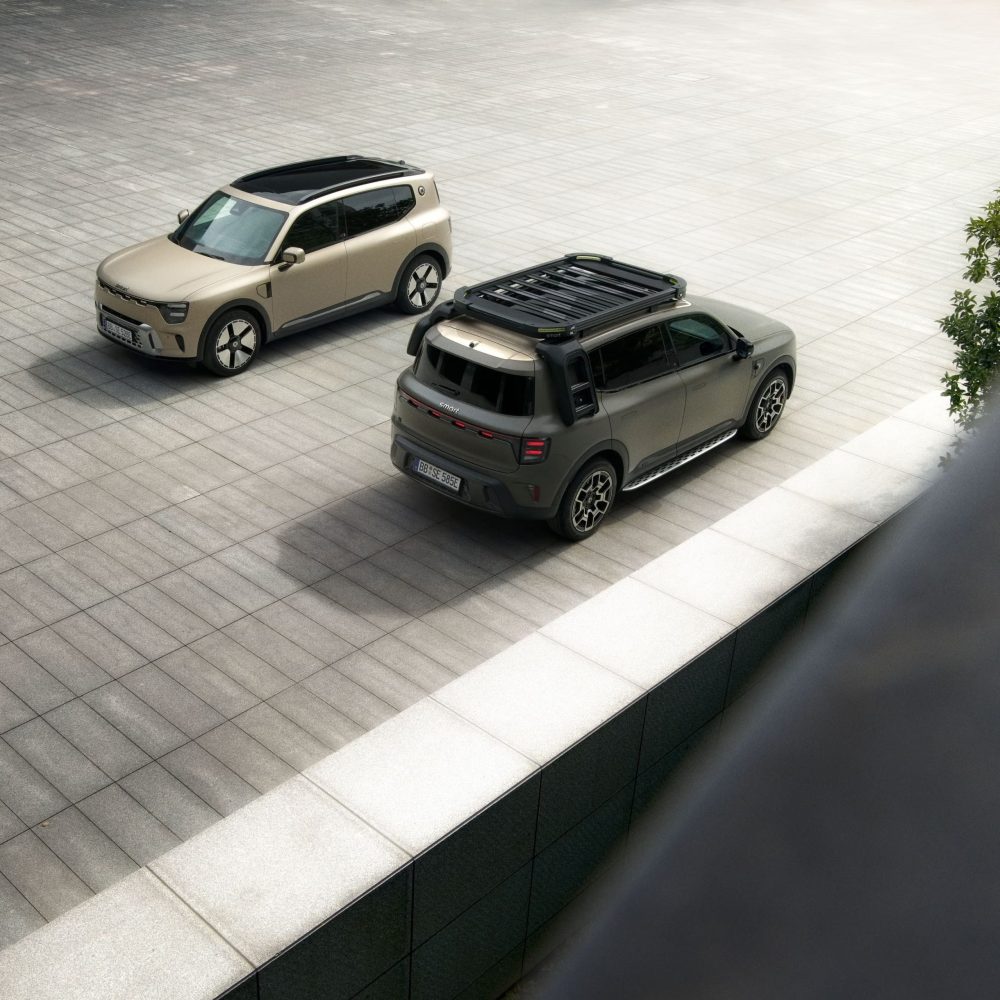
Picking the best cheap electric SUV means balancing price, range, and lifestyle needs. Today’s market offers real choices for budget-conscious buyers. These vehicles deliver comfort, tech, and sustainability without compromise.
Over time, savings on fuel and maintenance add up. Charging at home feels natural. Waking up to a full battery beats waiting in gas lines.
To conclude, embracing a cheap electric SUV is a forward-thinking decision. It solves common problems like high fuel costs and emissions. Simultaneously, it boosts confidence through modern design and performance.
Whether new to EVs or upgrading from an old model, now is the perfect time to switch. With growing infrastructure and innovation, cheap electric SUV will continue meeting diverse needs. Make the smart choice today—your wallet and planet will thank you.