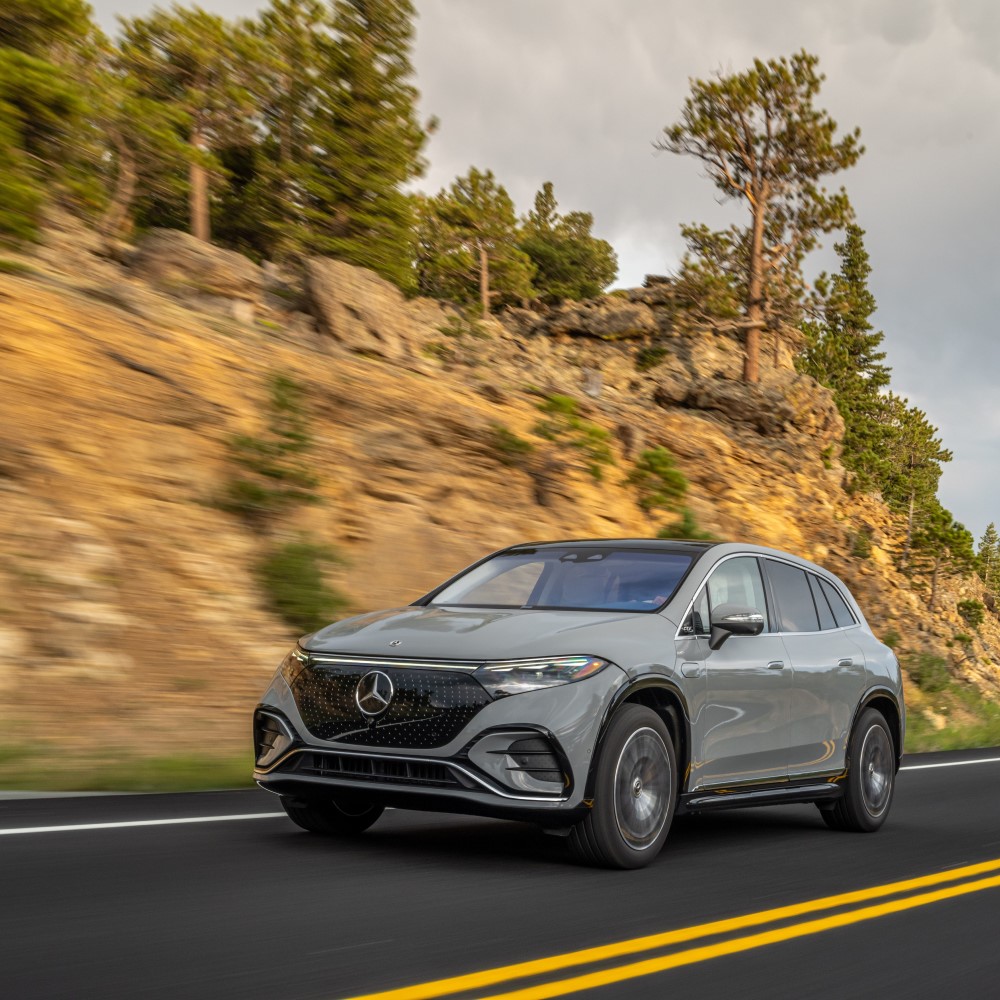
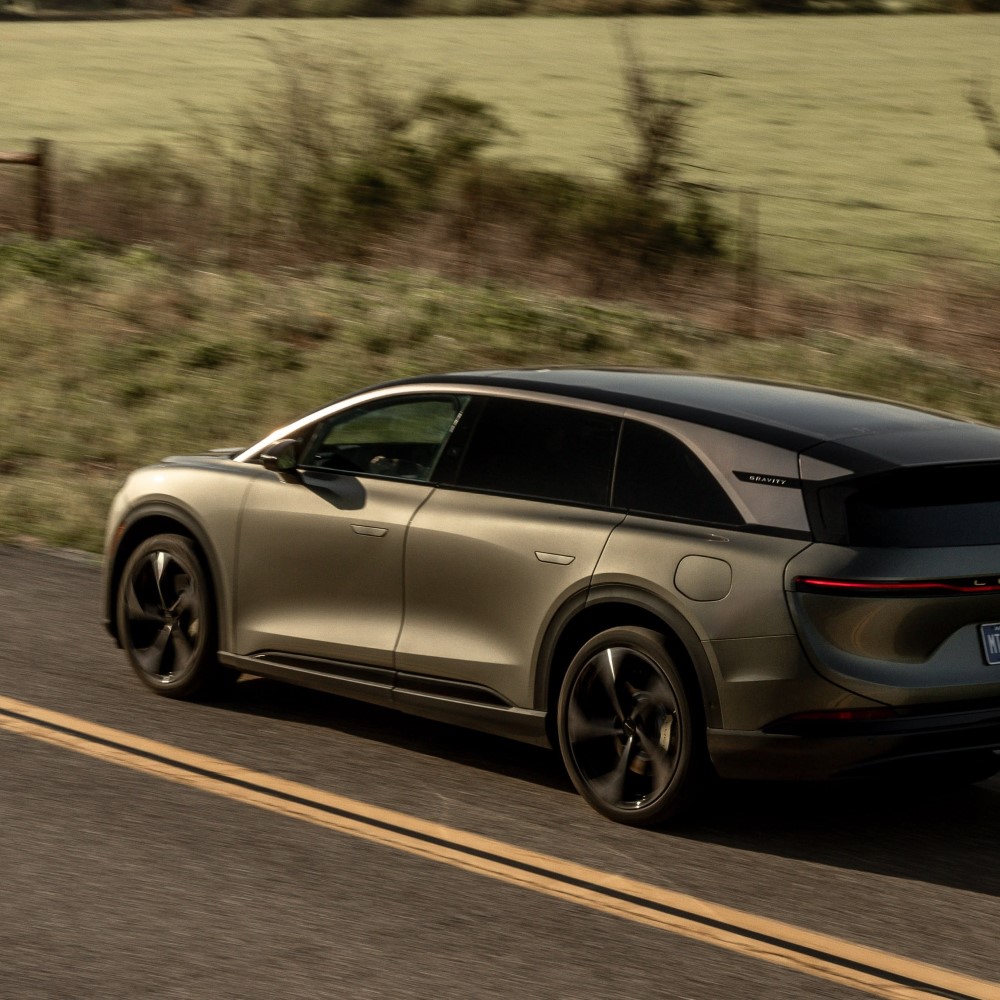
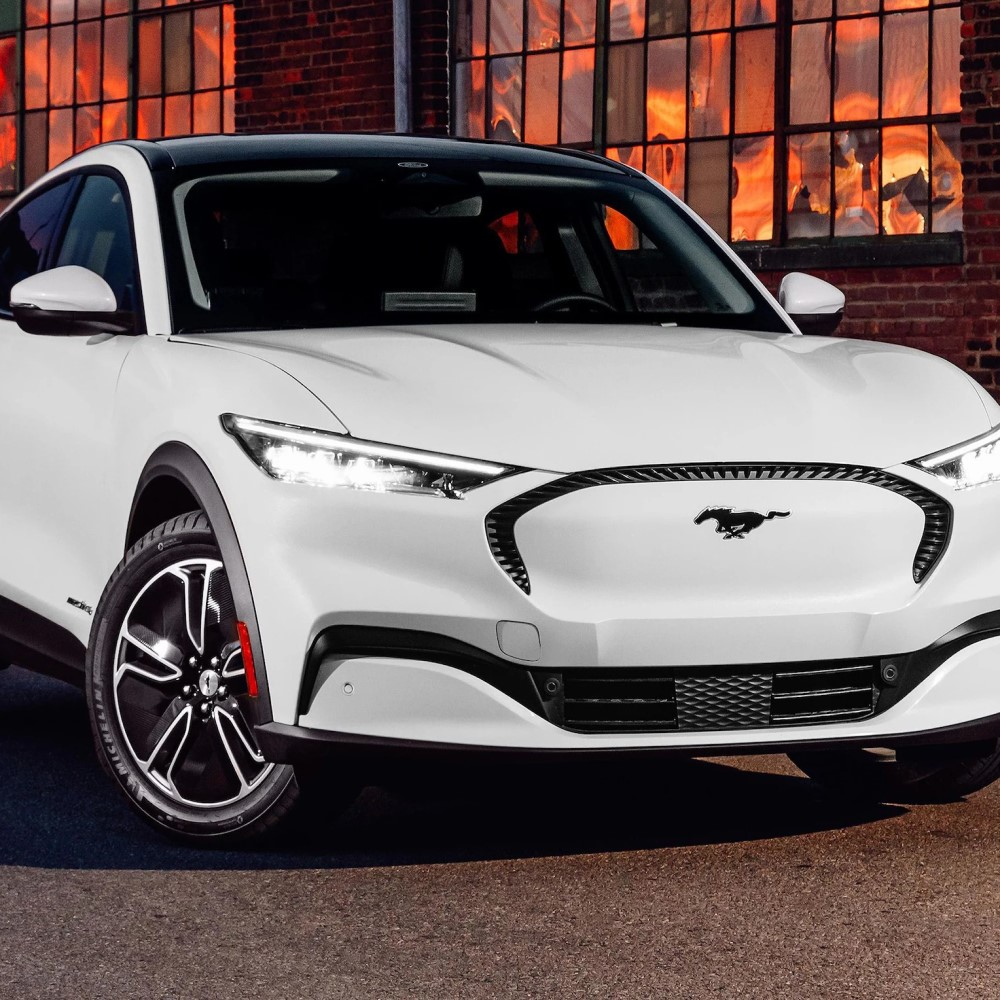
The Honda all electric SUV is set to redefine what drivers expect from clean, reliable transportation. As part of Honda’s push toward full electrification, this new model combines the brand’s trusted reliability with zero-emission performance. It promises long-range capability, spacious interiors, and smart technology—all in a sleek, modern design. This vehicle targets families, urban commuters, and eco-conscious buyers alike.
Moreover, the Honda all electric SUV reflects a major shift in automotive trends. With global demand for EVs rising, Honda is stepping up its innovation. The SUV supports fast charging, advanced safety systems, and seamless connectivity. It’s not just an alternative to gas-powered cars—it’s a forward-thinking upgrade.
 Why Honda Is Going All Electric with Its SUV Lineup
Honda has committed to selling only battery-electric and fuel-cell vehicles by 2040. This bold move shows their dedication to sustainability. The Honda all electric SUV is a key part of that plan. It replaces traditional engines with high-efficiency electric motors.
Another reason is market demand. More customers want green options without sacrificing comfort. They still need space, safety, and dependability. Honda meets these needs while reducing environmental impact.
Regulatory pressure also plays a role. Governments worldwide are tightening emissions rules. Zero-emission zones are expanding in cities. By launching an all-electric SUV, Honda stays ahead of legal changes.
Cost of ownership is lower with EVs. Electricity is cheaper than gas. Maintenance is simpler with fewer moving parts. Brake wear reduces thanks to regenerative braking. These savings appeal to budget-focused buyers.
Brand reputation matters too. Honda has built trust over decades. Now, they apply that trust to new technology. Customers believe in their ability to deliver quality EVs.
Partnerships help speed development. Honda works with GM on battery tech. This collaboration brings down costs. It also accelerates production timelines.
Finally, competition drives innovation. Tesla, Hyundai, and Ford offer strong EVs. Honda must match or exceed them. The Honda all electric SUV aims to compete at the highest level.
How the Design Balances Style and Function
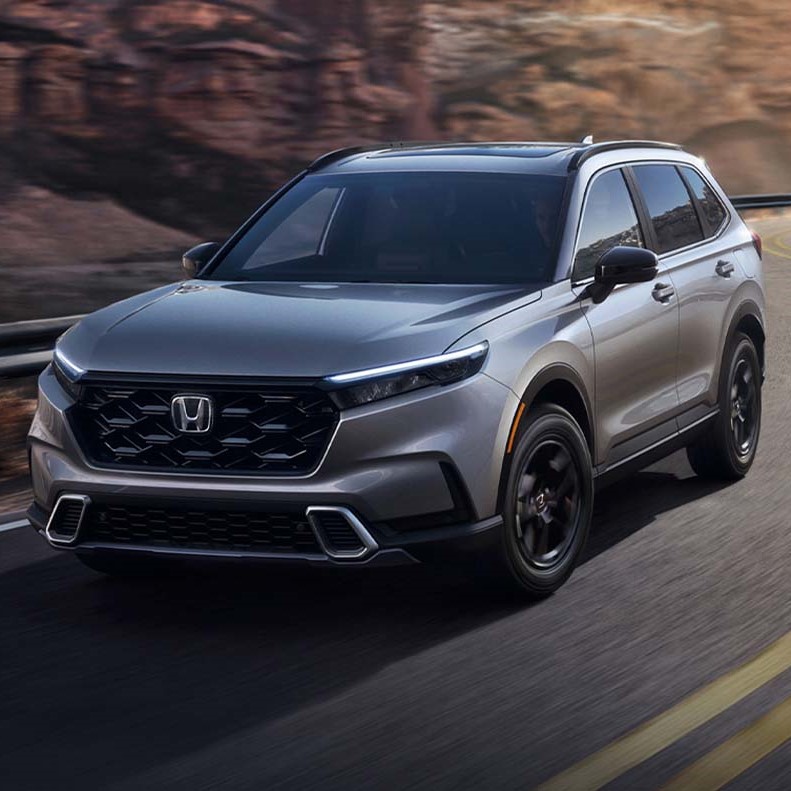
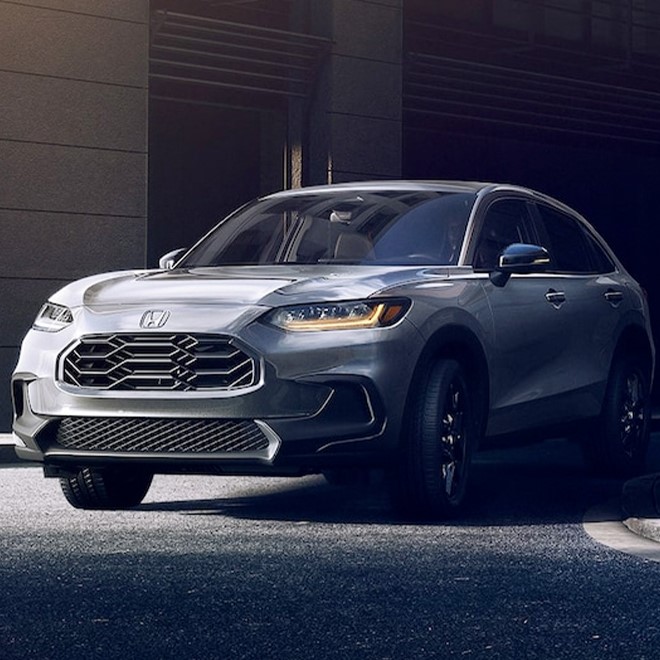
Exterior styling blends aerodynamics with rugged SUV cues. The front grille is closed off since no engine cooling is needed. This improves airflow and reduces drag. LED lighting adds a modern touch.
Sleek lines run along the body. Wheel arches are slightly flared for presence. Roof rails support cargo carriers. This maintains utility for active lifestyles.
Flush door handles reduce wind resistance. They pop out when approached. This small detail enhances both efficiency and elegance.
The profile remains upright for cabin space. A higher beltline increases security and visibility. Glass areas are optimized for light without glare.
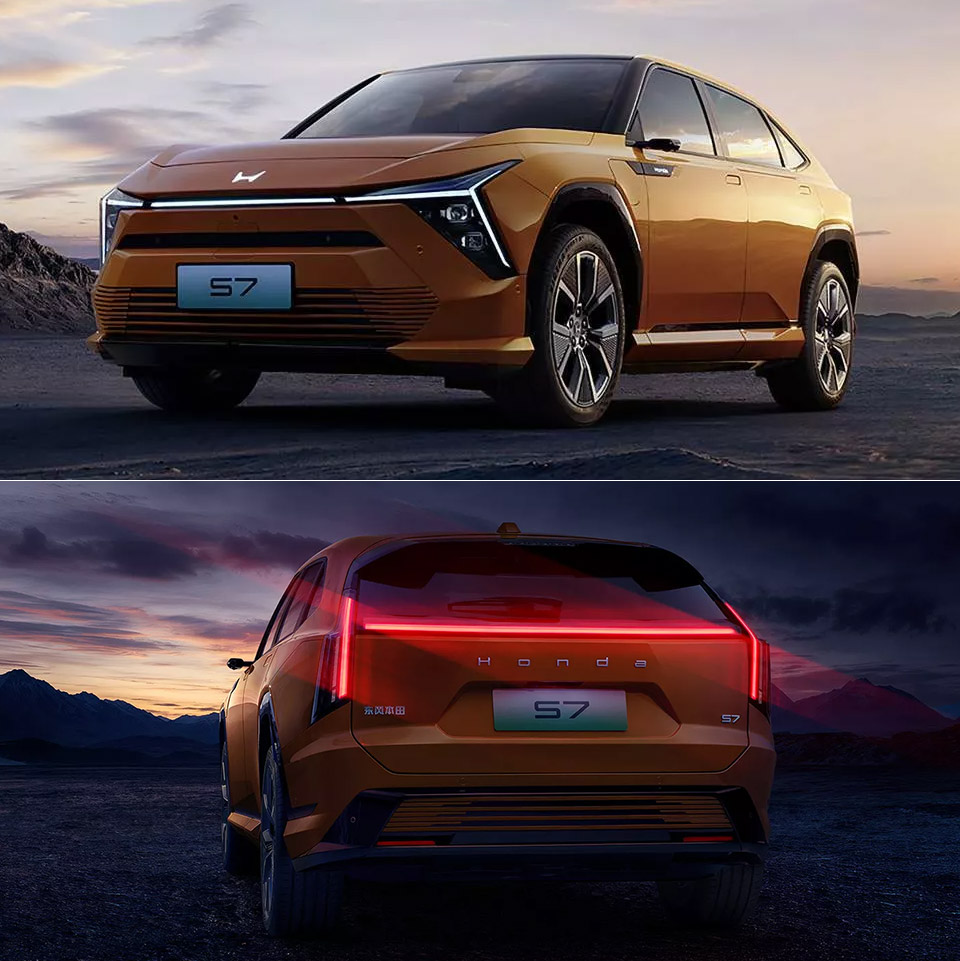
Rear design features wide taillights. They connect across the tailgate. This gives a premium feel similar to luxury brands. The liftgate opens wide for easy loading.
Interior layout focuses on simplicity. A flat floor allows legroom for rear passengers. Front seats offer multiple adjustments. Heated and ventilated versions may be available.
Materials use recycled content. Seat fabrics might include ocean plastics. Carpets could come from post-consumer waste. Sustainability extends beyond powertrains.
Storage solutions are clever. Door bins fit large bottles. Center consoles hide phones and wallets. A frunk (front trunk) offers extra dry storage.
 Performance and Range Expectations for Daily Use
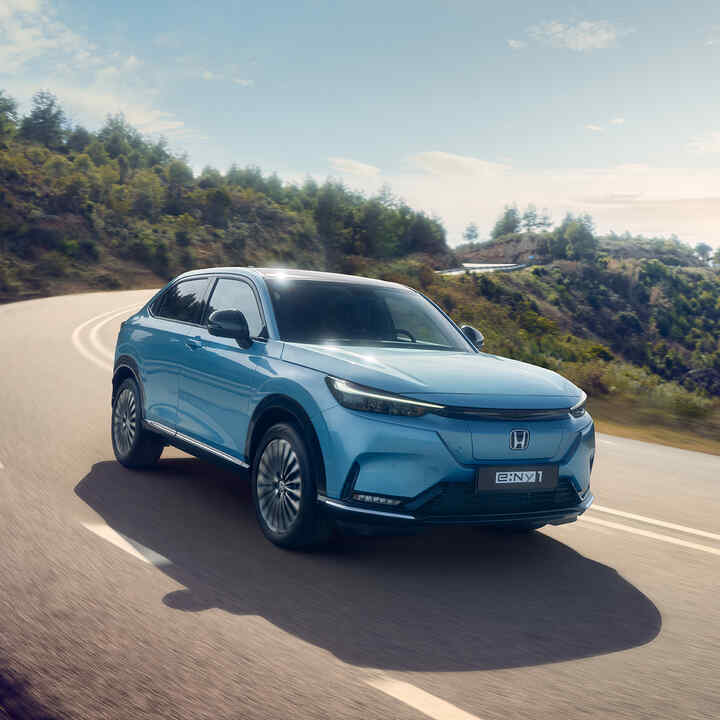
The Honda all electric SUV delivers smooth, quiet acceleration. Electric motors provide instant torque. There’s no lag between pressing the pedal and moving forward. This makes city driving effortless.
Estimated range starts around 300 miles on a full charge. Some trims may reach 350 miles. This covers most daily commutes with ease. Weekend trips become stress-free.
Highway driving uses more energy. However, efficient aerodynamics help maintain range. Real-world results stay close to EPA estimates. Drivers can rely on accuracy.
Fast charging adds convenience. Using a DC fast charger, the battery reaches 80% in about 30 minutes. This fits well into coffee or meal breaks during long journeys.
Home charging works overnight. Level 2 chargers refill the SUV in 8–10 hours. Most owners plug in after dinner. Mornings start with a full battery.
Driving modes adjust performance. Eco mode limits power for maximum efficiency. Sport mode sharpens throttle response. Normal strikes a balance for everyday use.
Regenerative braking recovers energy during deceleration. Drivers can increase strength through paddle shifters. Stronger regeneration reduces brake wear.
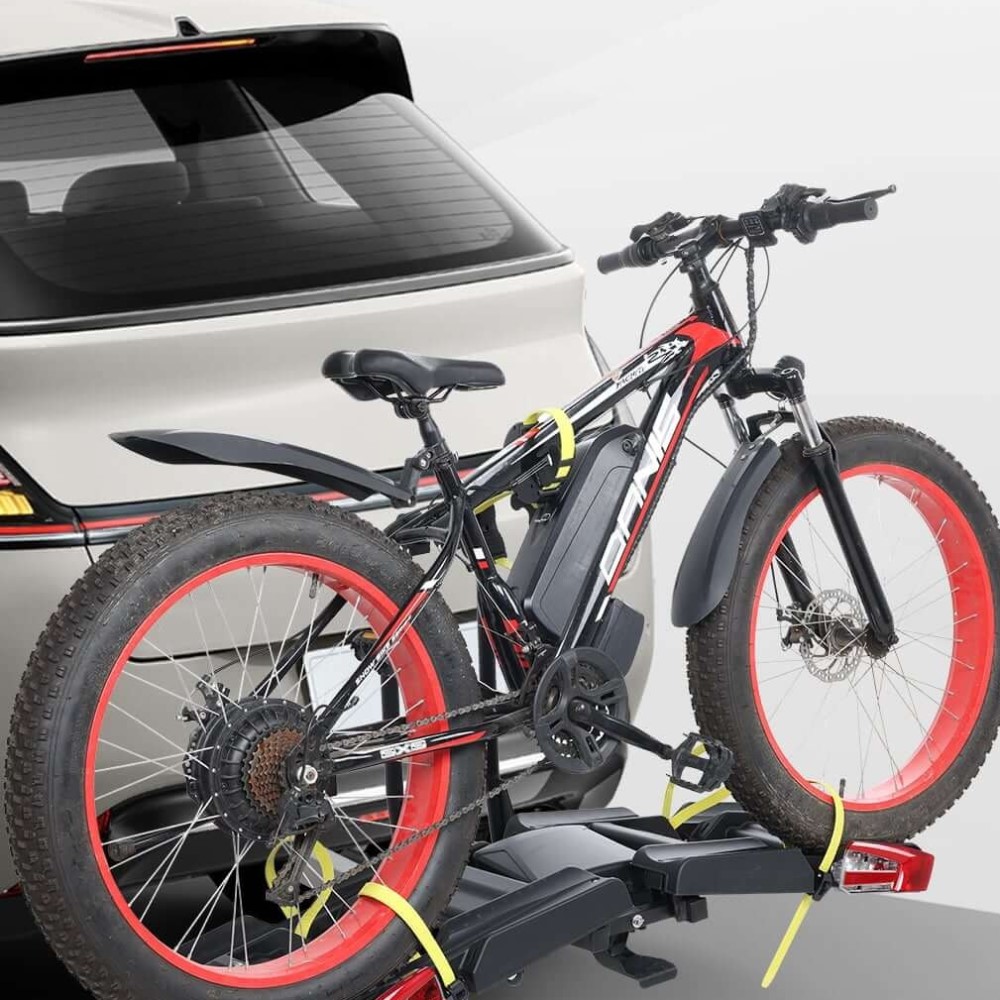
Towing capacity may be limited compared to gas models. Still, it can likely pull small trailers or bikes. Exact numbers will come closer to launch.
All-wheel drive versions use dual motors. One powers each axle. Traction improves in rain or snow. Power distribution adjusts in real time.
Battery Technology and Charging Infrastructure
Honda uses lithium-ion batteries with nickel-cobalt-manganese chemistry. These cells offer high energy density. They last longer and charge faster. Thermal management keeps temperatures stable.
Battery packs sit under the floor. This lowers the center of gravity. Handling becomes more stable. Rollover risk drops significantly.
Warranty coverage protects owners. Most EV batteries have an 8-year or 100,000-mile guarantee. Honda will likely follow this standard. Coverage includes capacity loss above a threshold.
Charging ports follow the CCS (Combined Charging System) standard. This allows both AC and DC charging. Compatibility is high across public networks.
Plug & Charge features may be included. When connected, the car authenticates automatically. No app or card is needed. Access becomes seamless.
Navigation integrates charging stops. Trip planning shows available stations. Estimated arrival charge levels appear clearly. Drivers avoid surprises.
Home charging stations are easy to install. Many utilities offer rebates. Honda may partner with providers for discounts. Support makes adoption easier.
Public charging grows every month. Electrify America, EVgo, and ChargePoint expand rapidly. Honda all electric SUV owners gain wider access over time.
Battery recycling programs exist. Old packs get repurposed or broken down safely. Honda supports circular economy efforts. End-of-life plans matter.
 Safety Features That Set the Honda All Electric SUV Apart
Honda Sensing® suite comes standard. It includes adaptive cruise control and lane-keeping assist. These tools reduce driver fatigue on long drives.
Collision mitigation braking activates if a crash seems likely. It warns the driver first. Then it applies brakes if no action is taken. This can prevent or reduce impact.
Road departure mitigation helps stay on course. If the vehicle drifts off the road, it steers back gently. This aids tired or distracted drivers.
Blind spot monitoring alerts when vehicles are nearby. Rear cross-traffic alert warns during reversing. These features improve awareness in tight spaces.
New sensors enhance EV-specific needs. Acoustic vehicle alerting systems (AVAS) emit sound at low speeds. This protects pedestrians who might not hear silent operation.
Reinforced body structure protects occupants. High-strength steel surrounds the battery pack. Crumple zones absorb impact energy. Safety ratings aim for top marks.
Airbags cover multiple zones. Front, side, curtain, and knee airbags are expected. Smart deployment adjusts based on crash severity.
Driver attention monitoring watches eye movement. If drowsiness is detected, alerts sound. Suggestions to take a break appear on screen.
Over-the-air updates keep software current. New safety improvements download automatically. Owners don’t need dealership visits for upgrades.
Night vision or enhanced cameras may appear on high trims. These detect animals or people in darkness. Early warnings save lives.
Interior Comfort and Tech Innovations
A digital instrument cluster displays key data. Speed, range, and navigation show clearly. Drivers customize views based on preference.
The central touchscreen measures over 10 inches. It runs Honda’s latest infotainment system. Wireless Apple CarPlay and Android Auto are supported.
Voice commands handle calls, music, and destinations. Natural language recognition understands casual phrases. “Find the nearest charger” works instantly.
Wireless phone charging appears in the console. Two USB-C ports serve front passengers. Rear riders get their own outlets too.
Heated steering wheel and seats add comfort. Ventilated seats cool during summer. Climate controls respond quickly.
Noise reduction improves ride quality. Triple-sealed doors block outside sound. Floor insulation dampens road noise.
Ambient lighting sets mood. Multiple colors change with settings. Dimmed tones create a relaxing atmosphere.
Smart storage includes cooled gloveboxes. Cupholders adjust size. Sunshades protect eyes during bright days.
Family-friendly touches matter. ISOFIX anchors secure child seats. LATCH connectors work with boosters. Easy-clean surfaces resist spills.
 Where to Buy and Test Drive the Honda All Electric SUV
Dealerships will begin accepting reservations soon. Launch timing depends on region. North America and Japan see early availability. Europe follows shortly after.
Online configurators let users build their ideal SUV. Choose color, trim, and options. Visualizers show real-time renderings. Price updates instantly.
Test drives focus on real-world conditions. Sales teams highlight acceleration, quietness, and handling. Buyers experience one-pedal driving firsthand.
Some dealers offer home delivery. Others allow virtual walkthroughs. Digital retailing speeds up purchase decisions.
Leasing programs suit those unsure about EVs. Short-term leases test ownership. Return options reduce long-term commitment fears.
Government incentives lower final cost. Tax credits apply in many countries. Local rebates may cover charging equipment.
Honda financial services offer competitive rates. Pre-approval simplifies buying. Loan terms vary by credit score.
Fleet sales target businesses. Companies replace vans or shuttles. Lower fuel and maintenance cut operating expenses.
Trade-in values rise for older Hondas. Clean used cars fetch better prices. Upgrading becomes affordable.
What Makes This SUV Different from Other EVs
Unlike some rivals, the Honda all electric SUV avoids extreme styling. It looks modern but not flashy. Familiarity helps mainstream buyers accept it.
Reliability is a core strength. Honda ranks high in dependability studies. Buyers trust the brand to last. Fewer repairs mean less hassle.
Service intervals are longer. No oil changes or exhaust work is needed. Dealerships train technicians for EV systems. Support networks grow steadily.
Resale value tends to stay strong. Low depreciation attracts practical shoppers. Holding value beats many competitors.
User interface remains intuitive. Some EVs overload screens with menus. Honda prioritizes clarity. Physical buttons remain for key functions.
Build quality exceeds entry-level EVs. Materials feel solid. Fit and finish meet premium expectations. Craftsmanship shows in details.
Customer service is responsive. Honda rewards loyalty. Owner apps track charging, climate, and lock status. Remote features add convenience.
It competes with the Kia EV6, Hyundai Ioniq 7, and Toyota bZ4X. Each has strengths. But the Honda all electric SUV balances them best.
Frequently Asked Questions
When will it be available?
Expected in late 2025 or early 2026. Exact dates vary by country.
What is the starting price?
Likely between 45,000and50,000. Final MSRP confirmed later.
Does it have all-wheel drive?
Yes. Dual-motor versions are expected on higher trims.
Can I charge it at home?
Yes. Use a Level 2 charger for fastest results. Standard outlets work slowly.
How long does the battery last?
Designed for 10+ years. Warranty covers 8 years or 100,000 miles.
Is there a sunroof?
Yes. Panoramic glass roof is likely on upper trims.
Can I tow with it?
Light towing possible. Check specs once released.
Will it work in cold climates?
Yes. Battery heating maintains performance. Range drops slightly in winter.
 Final Thoughts
The Honda all electric SUV represents a turning point for the brand. It combines proven engineering with cutting-edge EV technology. Families gain space, safety, and sustainability in one package.
Its arrival fills a gap in Honda’s lineup. Buyers no longer need to choose between values and performance. This SUV delivers both. It’s built for real life, not just marketing claims.
As the world shifts toward cleaner transport, the Honda all electric SUV stands ready. It’s not just another EV. It’s a dependable, thoughtfully designed vehicle for today’s drivers. Now is the perfect time to consider making the switch.