The holiday season brings excitement, decorations, and a chance to spread cheer in creative ways. One fun trend that has gained popularity is asking, can you put christmas lights on your car? Many people love the idea of turning their vehicle into a glowing holiday display. From wrapped rooflines to light-up reindeer antlers, these decorations catch eyes and spark smiles.
Moreover, the answer isn’t just “yes” or “no.” It depends on how you do it. Safety, legality, and practicality all play a role. When done correctly, adding lights can be festive and legal. However, improper installation may lead to fines, electrical issues, or accidents. Understanding the rules and best practices ensures your holiday spirit doesn’t cause problems on the road.
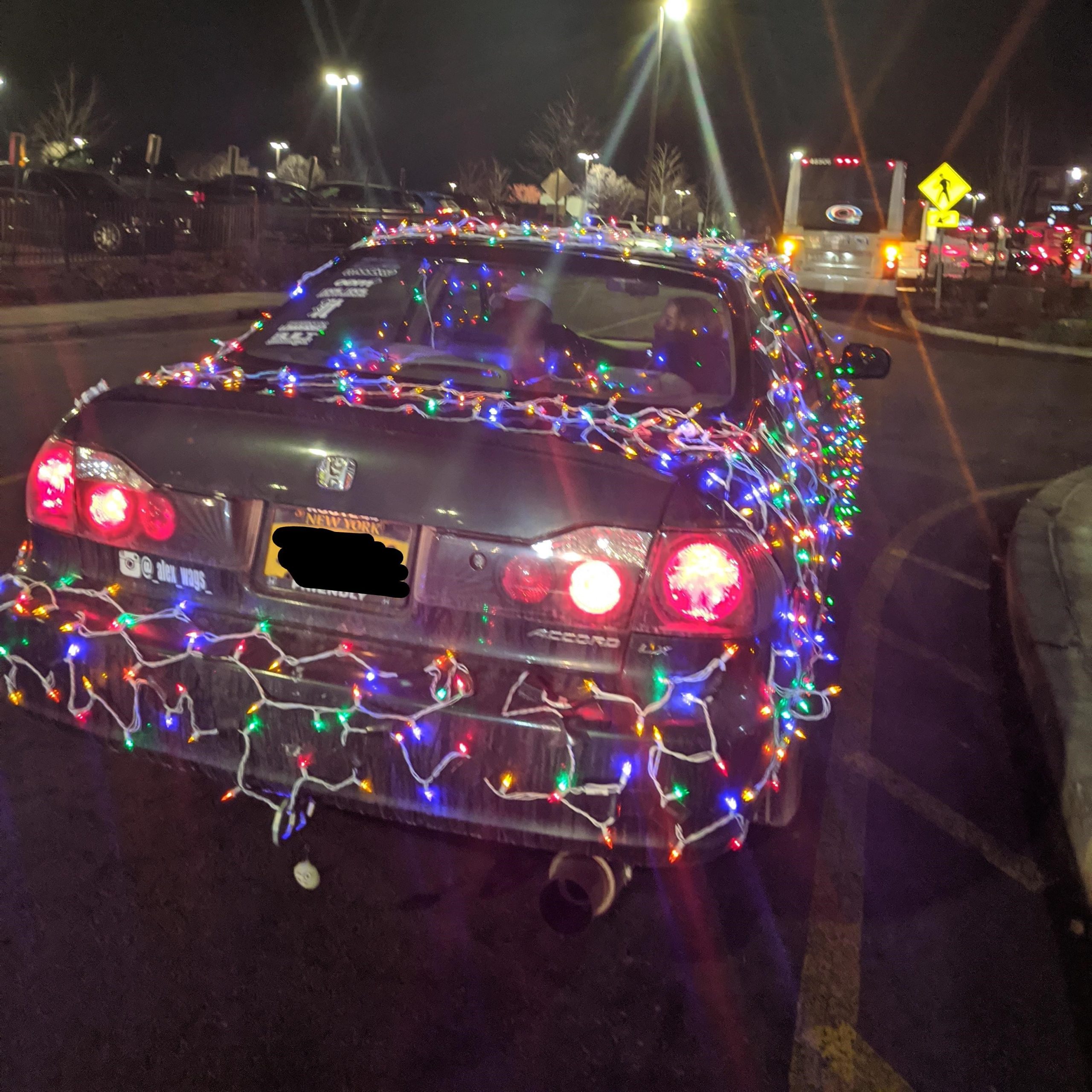 Is It Legal to Decorate Your Car with Christmas Lights?
Understanding Local Laws and Traffic Regulations
Can you put christmas lights on your car? Before attaching any lights, you should know the laws in your area. Many drivers assume holiday decorations are harmless. However, some states and municipalities restrict external lighting.
For example, certain places ban flashing or moving lights on vehicles. These could be mistaken for emergency signals. Other areas limit colors. Blue, red, or flashing white lights are often reserved for police, fire, or ambulance use. Violating these rules may result in a ticket.
Some states have no specific laws about holiday lights. In those cases, enforcement depends on officer discretion. If the lights distract other drivers or impair your visibility, you could still be pulled over.
Rural areas tend to be more lenient. Urban zones with heavy traffic often enforce rules more strictly. Always check your local DMV website or consult law enforcement for clarity.
Even if legal, consider the impact on others. Bright or blinking lights may startle drivers at night. This increases the risk of accidents. Use steady, warm-white lights instead of flashing ones.
Insurance companies may also have policies. Major modifications could affect coverage. Report nothing if it’s temporary and non-permanent.
Ultimately, knowing the rules helps you celebrate safely.
Types of Christmas Lights That Work Best on Cars
Choosing LED Strips, Rope Lights, and Battery Packs
Not all lights are suitable for vehicles. First, LED strip lights are a top choice. They are energy-efficient and produce little heat. This reduces the risk of melting parts or draining the battery.
These strips often come with adhesive backing. This allows secure attachment to trim, bumpers, or mirrors. Make sure the surface is clean and dry before applying.
Rope lights are another popular option. They are flexible and durable. Wrap them around mirrors, grilles, or roof edges. Avoid placing them where they might flap in the wind.
Battery-powered sets offer portability. They don’t require wiring into the car’s electrical system. Turn them on only when parked or during slow drives.
Solar-powered lights are eco-friendly. They charge during the day and glow at night. However, short winter days may limit their brightness.
Avoid using indoor-only lights. They aren’t built to handle cold, moisture, or vibration. Outdoor-rated or vehicle-specific lights last longer and perform better.
Some kits include remote controls. These let you change colors or patterns. Use them sparingly to avoid distractions.
For a festive look, combine different types. Use strips along the windows. Add rope lights around the license plate. Place small battery-powered bulbs in the grill.
Always choose lights labeled weatherproof or IP65-rated. This means they resist rain, snow, and dust.
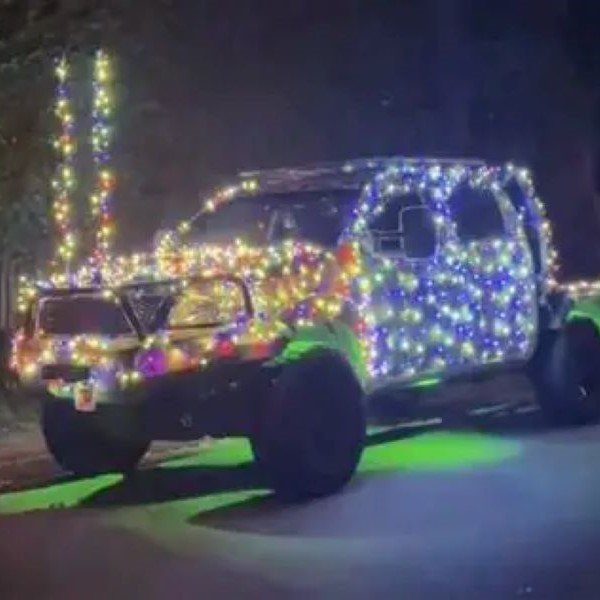 How to Install Christmas Lights on Your Car Safely
Step-by-Step Tips for Secure and Damage-Free Setup
Installing lights safely starts with preparation. First, wash and dry the areas where lights will attach. Dirt or wax prevents strong adhesion. Use isopropyl alcohol to clean surfaces.
Next, plan your layout. Lay out the lights on the ground first. Test them before mounting. Check for broken bulbs or weak connections.
Use clips or adhesive mounts instead of tape. Tape can leave residue and fail in cold weather. Mini clips hook into vents or door seams without scratching paint.
For magnetic strips, ensure your car has a metal surface. These work well on hoods or roofs. Avoid using them on plastic or fiberglass parts.
Route wires carefully. Never block headlights, brake lights, or turn signals. Keep cords away from moving parts like wipers or doors.
If connecting to the 12V socket (cigarette lighter), use a low-power adapter. High-wattage setups may blow a fuse. Limit usage to under 100 watts.
Never splice into factory wiring. This can damage the electrical system. It may also void your warranty. Use plug-and-play options only.
Install everything when the vehicle is off. Double-check all connections. Turn the lights on and walk around the car. Look for loose ends or flickering spots.
Remove lights after each use. Extended exposure to weather shortens lifespan.
Safety comes first. A well-installed display brings joy without risk.
Potential Risks and Safety Concerns to Consider
Why Poor Installation Can Lead to Problems
Even festive decorations can cause issues if not handled properly. One major concern is battery drain. Leaving lights on overnight may leave your car unable to start. Always disconnect them after use.
Another risk is fire hazards. Faulty wiring or overheating bulbs can ignite nearby materials. This is rare but possible. Use only UL-listed or certified products.
Damaging the car’s paint is also a risk. Strong adhesives or tape can peel off clear coat. Goo removers may scratch surfaces during cleanup. Use non-abrasive tools and test in a small area first.
Loose wires pose dangers too. They can get caught in doors or windows. This may damage window seals or electrical systems. Always tuck cords out of the way.
Impaired visibility is a serious issue. Lights near the windshield or side mirrors can reflect glare. This distracts the driver, especially at night. Avoid placing them in line with your sight.
Other drivers may be distracted. Bright or flashing lights catch attention. This increases reaction time in traffic. Use soft glows instead of strobes.
Pedestrians and cyclists might misjudge your vehicle’s size. A fully lit car can appear larger or closer than it is. This affects safe distance judgment.
Lastly, vibrations from driving can loosen connections. Check the setup every few days. Re-secure any parts that have shifted.
By addressing these risks, you keep your display fun and safe.
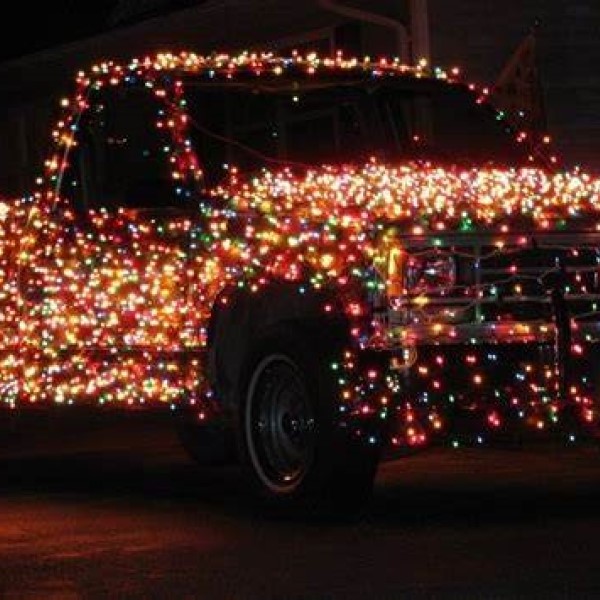 Creative and Festive Ideas for Car Light Displays
Decorating for Maximum Holiday Cheer
Once safety is ensured, it’s time to get creative. One popular idea is outlining the roof and windows. Use white or multicolor LED strips to frame the car. This mimics a glowing gift box.
Add reindeer antlers with built-in lights. Attach them to the roof or hood. Pair with red nose lights for a playful Rudolph effect.
Wrap the grille and bumper with green rope lights. Place red lights in the center to form a candy cane pattern. This adds a classic touch.
Use light-up snowflakes or stars on the hood. Magnetic or suction-mounted versions are easy to install. They spin gently in the wind.
Some people create full scenes. A miniature sleigh with LED-edged runners sits on the roof. Tiny reindeer figures follow behind. These work best for parades or slow drives.
For families, spell names with lights. “Merry Christmas, [Last Name]” across the trunk makes a personal statement.
Use projector lights that cast images onto the ground. Snowfall or dancing elves create a magical effect when parked.
During holiday drives, sync lights to music. Bluetooth-enabled sets pulse with carols. This works best in neighborhoods with drive-through light shows.
Let kids help design the look. Their ideas often bring the most joy. Just ensure all choices stay safe and legal.
Festive creativity makes your car a neighborhood favorite.
Caring for Your Christmas Lights and Vehicle
Maintenance Tips for Long-Lasting Use
Proper care keeps your lights working and your car protected. First, remove decorations daily. Extended exposure to cold, snow, and road salt reduces lifespan.
Store lights in a labeled container. Keep them coiled neatly to prevent tangles. Use plastic bins with dividers for organization.
Check each strand before reuse. Look for cracked bulbs, exposed wires, or broken connectors. Replace damaged sections immediately.
Clean lights gently. Wipe down with a dry or slightly damp cloth. Avoid soaking them in water. Let them dry fully before storage.
Protect your car’s finish. Use microfiber cloths to remove residue. Avoid harsh chemicals that strip wax. Re-wax areas where lights were attached.
Inspect door seals and weather stripping. Lights may trap moisture. Dry them after rain or snow to prevent freezing.
Charge battery packs regularly. Even seasonal use requires power checks. Test them monthly during the holidays.
Keep a small toolkit handy. Include zip ties, spare clips, and electrical tape. These help with quick repairs.
Label connections. Note which plug goes to which light. This speeds up installation next year.
Well-maintained gear lasts for many seasons.
 Frequently Asked Questions About Putting Christmas Lights on Your Car
Common Concerns Answered Clearly
Can you leave the lights on while driving? Only if they don’t block signals or distract others. Use them mainly when parked or in parades.
Will it drain the battery? Yes, if wired directly or left on too long. Use battery-powered sets or unplug after use.
Are there car-specific light kits? Yes. Some brands sell vehicle-safe kits with clips and low-voltage designs.
Do you need to notify insurance? Usually not for temporary decor. Permanent mods may require disclosure.
Can you use extension cords? Not recommended. They create tripping hazards and increase fire risk.
Are solar lights effective? They work best in sunny areas. Short winter days may limit brightness.
Can kids help decorate? Yes, with supervision. Teach them about safety and electrical caution.
Can you wash the car with lights on? No. Always remove them before car washes or heavy rain.
These answers help drivers make informed choices.
 Final Thoughts on Whether You Can Put Christmas Lights on Your Car
Balancing Festivity, Safety, and Responsibility
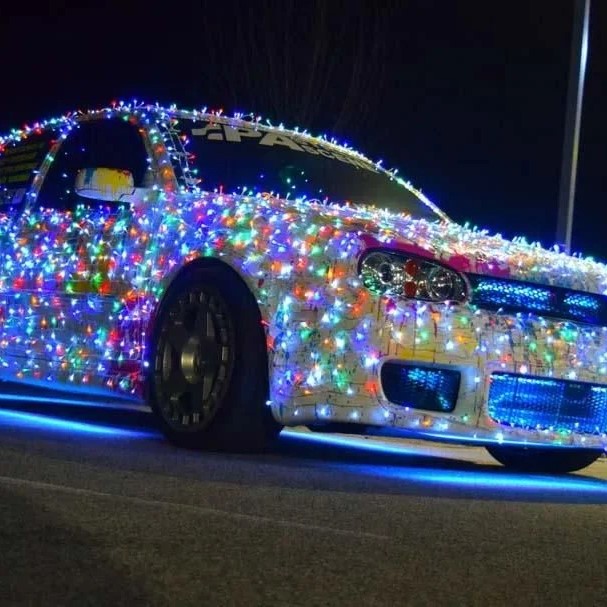
The question can you put christmas lights on your car has a clear answer: yes, with caution. When done right, it spreads joy and holiday spirit. Neighbors smile. Kids wave. Drivers feel the season’s warmth.
However, safety must come first. Follow laws, avoid distractions, and protect your vehicle. Use quality materials and remove lights when not in use.
This tradition can become a beloved yearly ritual. With planning and care, your glowing car becomes a symbol of celebration. It honors the season without risking safety.
So go ahead—light up your ride. Just do it wisely.