The holiday season brings joy, music, and festive decorations everywhere you look. Many people want to spread cheer by decorating not just their homes—but also their vehicles. One popular trend is wrapping cars in bright, colorful Christmas lights. However, before you plug in those strings of bulbs, it’s important to ask: is it legal to put christmas lights on your car? This question affects safety, local laws, and potential fines.
While the idea sounds fun and creative, there are real legal and practical concerns. Traffic regulations in many areas restrict external lighting on vehicles for good reasons. Flashing or bright lights can distract other drivers. They may even be mistaken for emergency signals. Therefore, understanding the rules helps you celebrate safely. In this article, we’ll explore traffic laws, state differences, safety risks, enforcement examples, and better alternatives. By the end, you’ll know exactly how to enjoy the holidays without breaking any rules.
 Understanding Traffic Laws Related to Vehicle Lighting
Is it legal to put christmas lights on your car? Most countries regulate vehicle lighting to maintain road safety. These laws exist because visibility and clear communication between drivers are essential. Any light that could confuse other motorists may be prohibited. For example, red and blue flashing lights are typically reserved for police and emergency vehicles. Using them on private cars is illegal in most places.
Similarly, adding non-standard lights like Christmas strings might violate equipment codes. Many states follow federal guidelines but also have their own specific rules. Some allow decorative lighting under certain conditions. Others ban anything beyond factory-installed lights. Therefore, you must check your local Department of Motor Vehicles (DMV) website or law code.
Additionally, laws often focus on color, placement, and brightness. Lights near the front of the car should usually be white or amber. Red lights are generally only allowed at the rear. Blinking patterns may also be restricted. Even if your Christmas lights seem harmless, they might still fall into a gray area. Hence, caution is necessary.
How State Regulations Vary Across the U.S.
Laws about vehicle modifications differ significantly from state to state. In Texas, for instance, there are no specific laws banning Christmas lights on cars. However, general statutes prohibit distracting or obstructive displays. If an officer believes your lights impair vision or cause confusion, they can issue a citation.
In contrast, California has stricter rules. The California Vehicle Code bans any unauthorized lighting that mimics emergency vehicles. Since many Christmas light sets include flashing red and blue options, these would likely be prohibited. Even steady-colored strings might attract attention if placed prominently.
New York takes a similar stance. While not explicitly mentioning holiday lights, the state regulates after-market lighting heavily. Officers can use discretion when enforcing these rules. Meanwhile, Florida allows more flexibility, especially for parades or special events. You may see decorated cars during holiday drives through neighborhoods.
Because of this variation, you cannot assume what works in one state is acceptable in another. Always research your specific location. Furthermore, consider where you’ll be driving. Crossing state lines with lit decorations increases risk.
 Safety Risks of Driving with Christmas Lights Attached
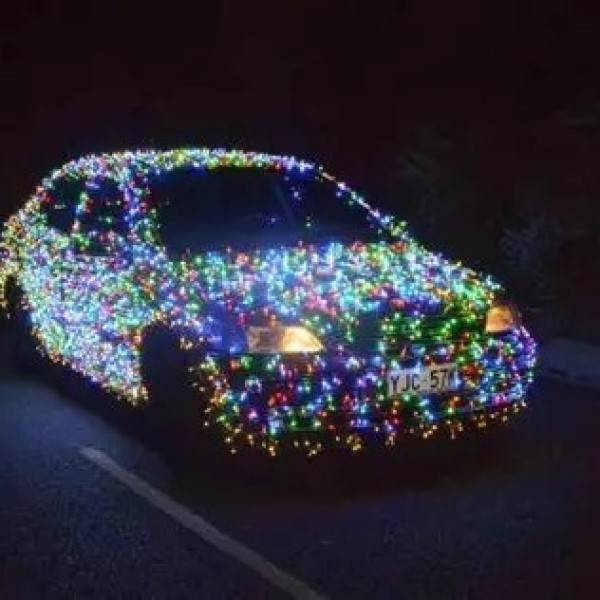
Even if your local laws don’t explicitly forbid Christmas lights, safety remains a top concern. Bright or flashing lights can draw attention away from the road. Other drivers may stare at your vehicle instead of focusing on traffic. This distraction increases the chance of accidents.
Also, wires hanging from your car pose physical dangers. They can get caught in moving parts like wheels or doors. Over time, vibrations may loosen connections. This could lead to sparks or short circuits. In rare cases, electrical issues might start a fire. Therefore, improper installation creates serious hazards.
Another problem is reduced visibility. If lights surround your license plate or cover headlights, you’re breaking basic safety rules. Law enforcement officers often pull over vehicles with obscured plates. Similarly, covered brake lights make it harder for others to react when you stop.
Moreover, temporary decorations rarely withstand weather well. Rain, snow, or wind can damage the setup. Wet wires increase shock risks. Frost or ice buildup may add weight and imbalance. As a result, what starts as a festive gesture can become a safety liability.
Impact on Driver Visibility and Control
Your ability to see the road clearly is critical. Attaching Christmas lights around windows or mirrors can interfere with your view. Even small strands near the windshield may create glare at night. Reflections from interior surfaces make it harder to focus.
Additionally, some people attach lights inside the car, draping them over dashboards or rearview mirrors. While this seems safer, it still poses problems. Glowing wires can reflect off the windshield. This effect worsens in rainy or foggy conditions. Consequently, your perception of other vehicles may suffer.
Control over the vehicle can also be affected. Loose cords might get tangled in pedals or gear shifts. Though rare, such interference could lead to dangerous situations. Also, managing power sources—like battery packs or inverters—takes up space and adds clutter.
Furthermore, distractions extend beyond visual ones. Adjusting flickering lights while driving diverts attention. Reaching to fix a fallen strand is unsafe at any speed. For these reasons, even minor setups carry unexpected risks. Thus, convenience should never outweigh responsibility.
Real-Life Examples of Enforcement and Fines
There have been documented cases where drivers received tickets for holiday-themed car decorations. In Ohio, a man was pulled over during a winter drive-thru event. His SUV had multicolored lights wrapped around the roof and grille. The officer cited him under a statute about “unauthorized illuminated devices.” He paid a $75 fine.
Similarly, in Illinois, a woman participated in a neighborhood parade with her minivan fully lit. Although the event was community-approved, a highway patrol officer stopped her on the way home. She explained it was temporary. Still, she got a warning and was told to remove the lights before driving again.
In Washington State, a viral video showed a car covered in animated LED displays. It included moving snowmen and blinking stars. Police responded within hours. They classified the display as a public nuisance due to its brightness and motion. The driver avoided a ticket only because he agreed to turn it off immediately.
These incidents show that enforcement does happen. Even if no one stops you today, future encounters are unpredictable. Local authorities often act based on discretion. Therefore, assuming immunity is risky. The consequences range from warnings to fines.
Insurance and Liability Concerns
Using Christmas lights on your car may affect insurance coverage. Most auto policies require vehicles to meet standard safety regulations. Modifications that increase risk could void certain protections. If you cause an accident while driving with distracting lights, the insurer might deny your claim.
Additionally, liability becomes a concern. Suppose another driver crashes because they were distracted by your glowing car. You could face legal action for contributing to the incident. Even if you’re not at fault entirely, your role in creating a hazard might be considered.
Insurance companies evaluate negligence based on reasonable behavior. Decorating your car with bright, unusual lights may not meet that standard. Claims adjusters review all factors, including vehicle condition and compliance with laws.
Moreover, repeated violations could raise your premiums. A single citation for illegal equipment might not seem serious. But combined with other infractions, it paints a pattern of risky driving. Therefore, think beyond immediate fun. Consider long-term financial and legal impacts.
 Safer Alternations to Exterior Christmas Lights
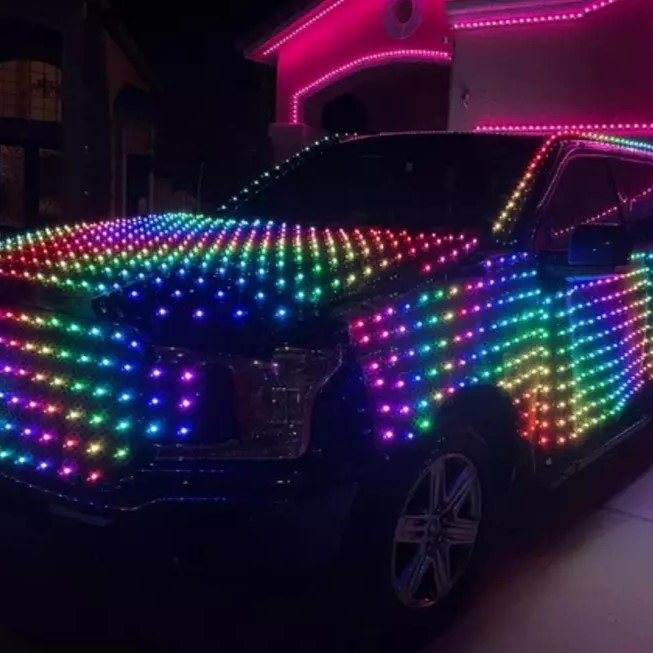
If you love the festive look but want to stay safe and legal, several alternatives exist. First, consider using removable magnetic signs with holiday themes. These attach easily and come off quickly. They don’t involve wiring or permanent changes.
Another option is window clings or decals. You can design custom snowflakes, reindeer, or messages like “Happy Holidays.” Apply them to side or rear windows. Remove them after the season ends. This method avoids electrical risks entirely.
For a glowing effect, place lights inside the car—but carefully. Set small, battery-powered LED string lights along the dashboard. Make sure they don’t block your view or reflect strongly. Use warm white lights instead of flashing colors.
You can also join organized events. Many towns host holiday light parades or drive-through displays. These allow decorated cars in controlled environments. Participants follow rules and move slowly. Such settings reduce danger while maximizing enjoyment.
Community Events That Allow Festive Vehicles
Some cities welcome creatively decorated cars during seasonal celebrations. Drive-thru light shows often invite participants to join with themed vehicles. Organizers coordinate with local police. They ensure all entries meet safety standards.
In Minnesota, the “Santa Express” train event includes a car caravan. Drivers sign up ahead of time. Each vehicle gets inspected for secure attachments and proper lighting. Only approved cars take part.
Similarly, in Colorado, a yearly “Cruise for Cheer” encourages festive rides. Participants must avoid flashing red or blue lights. They also keep license plates visible. Volunteers hand out hot cocoa and candy along the route.
These programs let you share joy legally. They provide structure and supervision. Plus, families love seeing the decorated cars. Instead of risking a ticket, you contribute to community spirit. Check local event calendars for opportunities near you.
 Frequently Asked Questions About Putting Christmas Lights on Your Car
Is it illegal in every state? No. Laws vary widely. Some states have no direct ban. Others prohibit any non-standard lighting. Always verify local rules.
Can I use battery-powered lights? Yes, but placement matters. Avoid areas near sensors, cameras, or lights. Never block required signals.
What if I only drive locally? Risk still exists. Local roads have traffic laws too. Neighborhood patrols may report unusual vehicles.
Do police actually enforce this? Yes. There are confirmed citations and warnings across multiple states.
Can I appeal a ticket? Possibly. You can challenge it in court. However, success depends on jurisdiction and evidence.
Are interior lights safer? Generally yes. Just ensure they don’t reflect on glass or distract you.
Will my insurance cover damages? Not necessarily. If the decoration contributed to an incident, coverage may be denied.
Can kids sit in a lit car? Only if all wires are secured and out of reach. Supervise closely to prevent tampering.
 Final Thoughts on Whether Is It Legal to Put Christmas Lights on Your Car
After reviewing laws, risks, and real-world outcomes, the answer to “is it legal to put christmas lights on your car” depends on where and how you do it. In most cases, unrestricted use is not permitted. Even in lenient areas, officers retain discretion to cite unsafe displays.
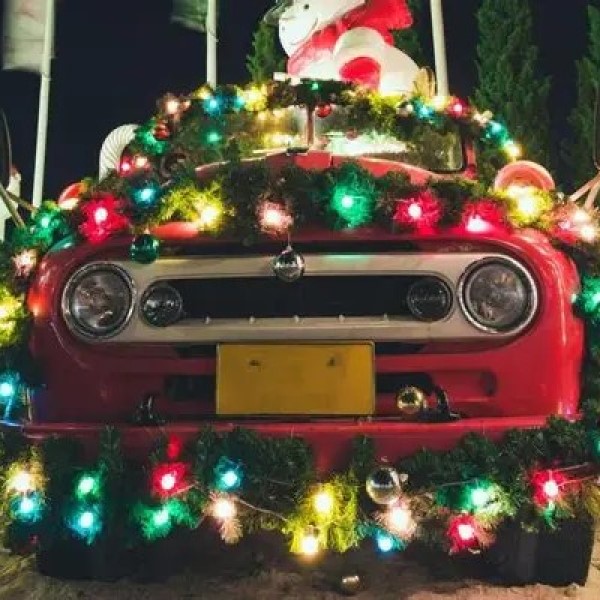
Ultimately, safety should guide your decision. The goal is to spread holiday cheer—not endanger others. Temporary, low-impact decorations in controlled settings offer a better solution. Community events provide legal, joyful ways to participate.
Therefore, think carefully before wrapping your car in lights. Consider alternatives that keep you compliant and responsible. Celebrating the season is wonderful. Doing so wisely makes it even better. Remember, true festivity comes from kindness—not just brightness. And now you know: is it legal to put christmas lights on your car requires more than a simple yes or no—it demands awareness, caution, and respect for shared roads.