The holiday season brings festive cheer, and many people now extend their decorations beyond homes to vehicles. One popular trend is adding christmas lights on car legal displays to spread joy during winter drives. These glowing setups transform ordinary cars into moving holiday spectacles. Yet, with flashing colors and bright LEDs, a key question arises—are they actually allowed by law? Understanding local regulations is essential to avoid fines or safety issues.
Moreover, what may seem like harmless fun could violate traffic codes in some areas. Laws vary widely between states, provinces, and countries. Some allow decorative lighting under strict rules. Others ban any non-standard lights on moving vehicles. Therefore, before wrapping your car in red and green LEDs, it’s vital to know the rules. This guide explores legality, safety concerns, best practices, and how to decorate responsibly. Ultimately, staying informed ensures your holiday spirit stays bright—without legal trouble.
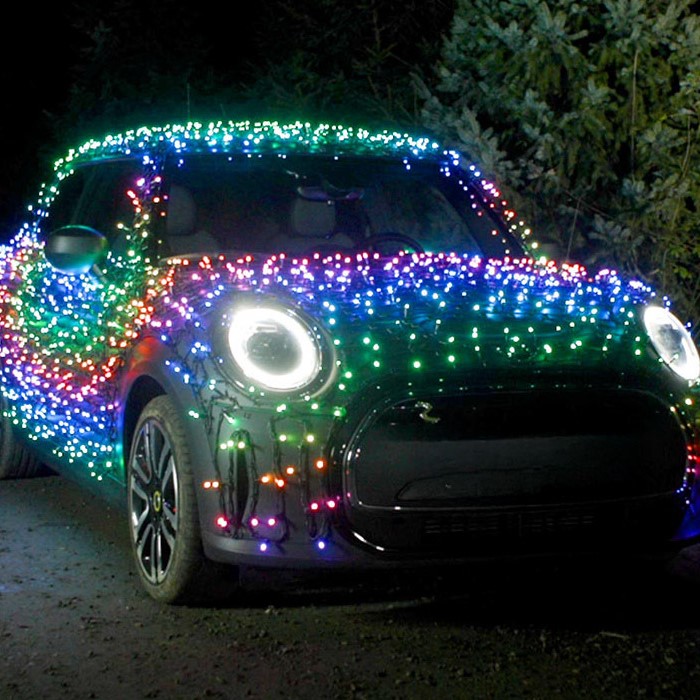 Federal and State Laws on Christmas Lights on Car Legal
Understanding Traffic Regulations and Restrictions
In the United States, no single federal law bans christmas lights on car legal use outright. However, the National Highway Traffic Safety Administration (NHTSA) sets standards for vehicle lighting. These rules focus on visibility, safety, and preventing driver distraction. Any added lights must not interfere with required signals or confuse other drivers.
Many states have specific statutes about aftermarket lighting. For example, California Vehicle Code Section 25102 prohibits flashing, rotating, or oscillating lights on non-emergency vehicles. This means blinking Christmas lights could be illegal while driving. Similarly, Texas law restricts red and blue lights, as they resemble emergency vehicles.
New York allows decorative lights only when the vehicle is parked. Driving with them active may result in a citation. Florida takes a more lenient approach. As long as lights don’t flash or mimic police colors, they may be acceptable.
Meanwhile, states like Michigan and Ohio require all external lights to be white or amber at the front and red at the rear. Any deviation, such as green or multicolor bulbs, risks violation.
Therefore, checking your state’s motor vehicle code is the first step. What’s allowed in one place may be banned in another. Always prioritize safety and compliance.
Safety Concerns with Holiday Lights on Vehicles
Why Bright or Flashing Lights Can Be Dangerous
Even if christmas lights on car legal status varies, safety remains a universal concern. Bright, flashing, or rapidly changing lights can distract other drivers. This increases the risk of accidents, especially at night or in poor weather. Human eyes react strongly to movement and color shifts. Sudden flashes may cause momentary loss of focus.
Additionally, some LED patterns resemble emergency vehicles. Police, fire, or ambulance crews rely on distinct light signals. When civilian cars mimic these, it creates confusion. Other drivers may pull over unnecessarily. First responders could face delays due to mixed signals.
Glare is another issue. Lights placed near windows or mirrors may reflect inside the cabin. This impairs the driver’s vision. Also, poorly secured wires can interfere with windshield wipers or door mechanisms.
Furthermore, excessive heat from older bulb types may damage paint or plastic. While modern LEDs run cool, improper installation can still pose fire risks if wiring shorts.
Battery drain is a lesser-known problem. Lights connected directly to the car’s electrical system may deplete the battery overnight. This leaves the vehicle unable to start.
Thus, even legal installations must be designed with caution and care.
 How to Decorate Your Car Legally and Safely
Best Practices for Holiday Vehicle Displays
Start by using steady, non-flashing lights. Most laws permit static illumination if colors comply with regulations. White, amber, and red are safest choices. Avoid blue, green, and flashing modes.
Install lights only on parked vehicles when possible. Use them for display at home, holiday parties, or parades. Turn them off before driving on public roads. This eliminates legal risk and ensures safety.
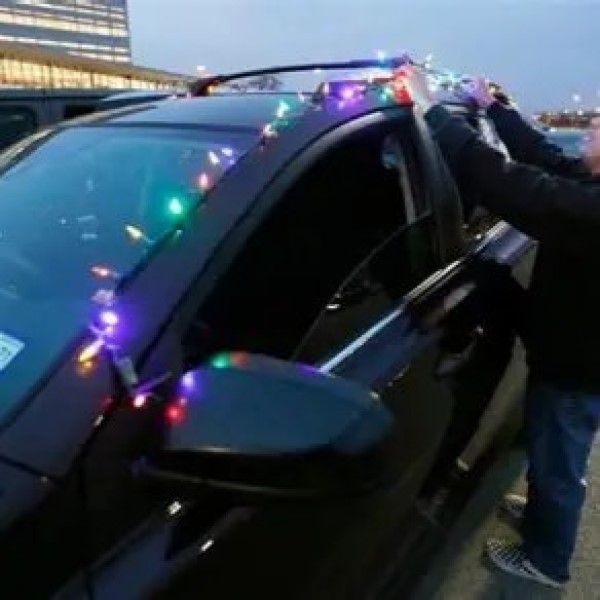
If you must drive with decorations, limit placement. Avoid the front grille, roof, or areas near headlights. Lights on the rear bumper or trunk are less likely to cause distraction. Never cover license plates, brake lights, or turn signals.
Use magnetic or suction mounts instead of adhesives. These allow quick removal and prevent paint damage. Test stability before driving. Shake the vehicle gently to check for loose parts.
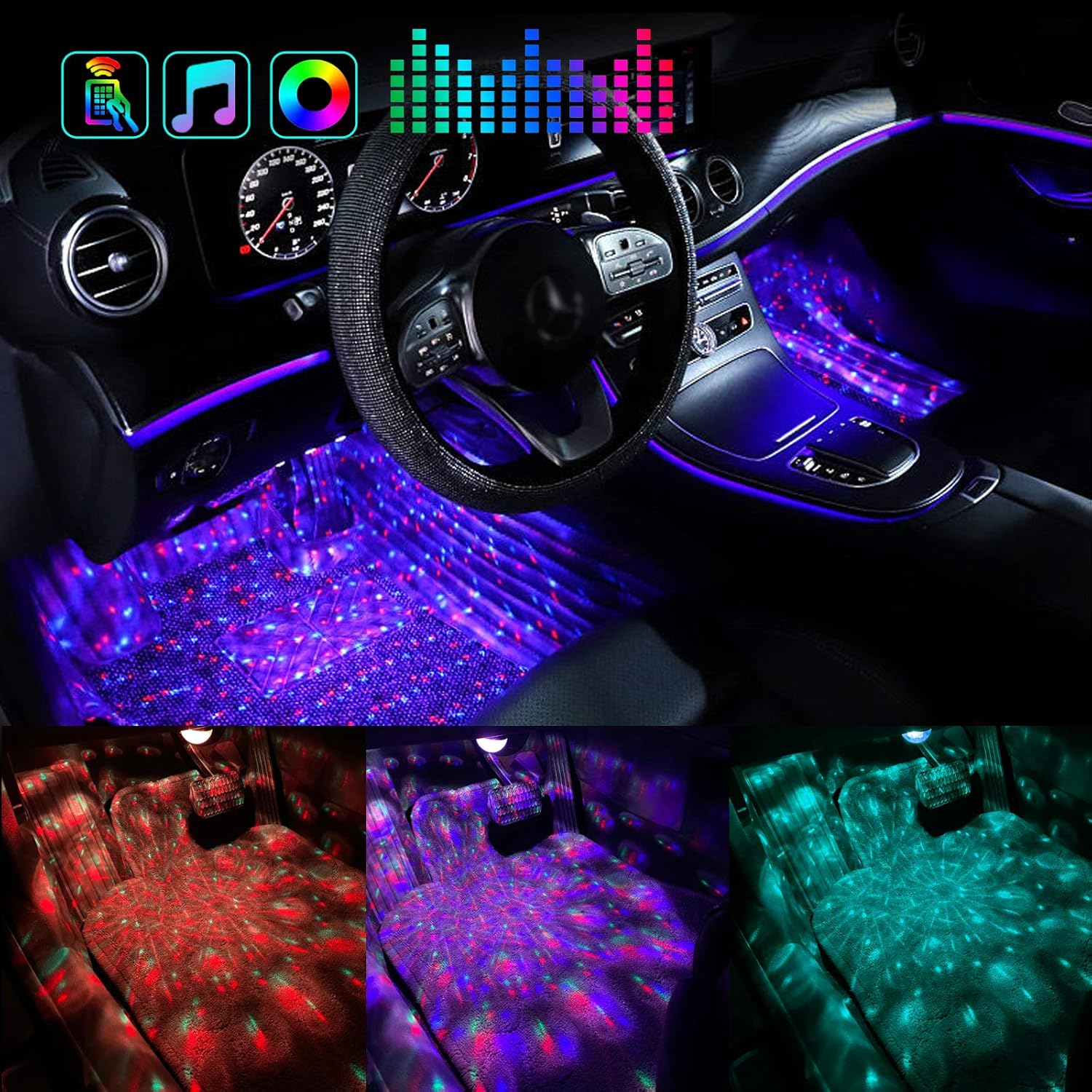
Choose battery-powered LED strips. These do not tap into the car’s electrical system. They are easier to control and safer for short-term use.
Consider light projectors instead. These shine holiday images onto the ground or walls. They work only when parked but create big visual impact.
Ultimately, smart choices let you celebrate without breaking rules.
Regional Differences in Lights on Car Legal Rules
A State-by-State Comparison for U.S. Drivers
Laws differ significantly across the U.S., making christmas lights on car legal status highly location-dependent. In Oregon, decorative lights are allowed as long as they don’t flash or rotate. The state emphasizes non-distracting use.
Colorado permits holiday lights if they are steady and not red or blue. Multicolor static strings on bumpers or windows may be acceptable. However, enforcement varies by county.
Pennsylvania takes a strict stance. The Vehicle Code prohibits any unauthorized lights that could confuse other drivers. This includes most Christmas displays on moving vehicles.
Minnesota allows seasonal decorations only when the car is parked. Driving with them may lead to a warning or fine. Local police departments often issue advisories during December.
Washington State focuses on color and placement. Front lights must be white or amber. Rear lights must be red. Any deviation risks a citation.
Hawaii bans all non-standard lighting. This includes holiday-themed LEDs. The state prioritizes clear road communication.
Canada has similar rules. In Ontario, the Highway Traffic Act restricts flashing lights. British Columbia allows parking lot displays but not driving with them.
Always check your local DMV website before decorating. Rules can change yearly.
 Alternatives to Driving with Christmas Lights
Festive Ideas That Stay Within the Law
If christmas lights on car legal concerns stop you from driving decorated, try alternatives. Use removable light projectors in your driveway. These cast snowflakes or Santa images onto your garage. They create instant curb appeal without vehicle risk.
Decorate a parked car in your yard. Turn it into a holiday centerpiece. Add a sign saying “Parked for the Holidays.” This becomes a neighborhood attraction.
Host a holiday open house. Invite friends to view your display. Serve cocoa and play music. Make the event the focus, not the drive.
Use window clings or magnetic signs. These show holiday themes without electrical components. Remove them easily after the season.
Participate in community light tours. Park your car at designated spots. Let people walk by and enjoy the setup. This supports local events safely.
Create a themed playlist. Play holiday music through open windows while parked. Pair it with soft interior lighting. The mood stays festive without legal issues.
Thus, joy doesn’t require motion—sometimes, standing still makes the biggest impact.
Where to Buy Legal and Safe Holiday Car Lights
Trusted Retailers with Compliant Products
Amazon carries many christmas lights on car legal options. Use filters to find battery-powered, non-flashing LED strips. Read reviews for real-world feedback. Look for terms like “static mode only” or “parking use.”
Etsy offers handmade and custom light kits. Some sellers specialize in holiday vehicle decor. Buyers can request specific lengths, colors, and mounts. Check shop policies on usage guidance.
Auto parts stores like AutoZone or O’Reilly sell exterior lighting. Staff can help choose compliant products. Look for DOT-approved or SAE-rated items.
Home improvement stores such as Lowe’s and Home Depot stock outdoor LED strings. These are often weatherproof and low-voltage. Use them for parked displays only.
Specialty sites like Christmas Lights, Etc. provide commercial-grade options. Their guides include safety tips and legal advice.
Always verify product descriptions. Avoid terms like “flashing,” “strobe,” or “siren mode.” Choose “steady on” or “constant glow” settings.
Purchasing from reputable sources reduces risk and improves performance.
 Frequently Asked Questions About Christmas Lights on Car Legal
Common Concerns Answered Clearly
Are Christmas lights illegal on cars everywhere? No. Rules vary by location. Some states allow them when parked. Others ban them entirely.
Can I get pulled over for holiday lights? Yes. Police may stop you if lights resemble emergency signals or distract others.
Do I need a permit? In most places, no. However, parades or events may require approval.
Can I use them in a parade? Often yes. Many cities allow festive vehicles in organized events. Check local event rules first.
What if my lights are covered by a tarp while driving? This may be acceptable. Remove the cover only when parked.
Are battery-powered lights safer? Yes. They don’t connect to the car’s electrical system. This reduces fire and drain risks.
 Final Thoughts on Balancing Festivity and Legality
Celebrate Smart with Christmas Lights on Car Legal Knowledge
The joy of holiday decorating should never come at the cost of safety or legal trouble. While christmas lights on car legal status depends on where you live, one rule applies everywhere—prioritize clarity and caution.
By understanding local laws, using static lighting, and limiting use to parked vehicles, you can spread cheer responsibly. The holidays are about connection, not citations.
May your season be bright, safe, and full of smiles. Let your spirit shine—within the law.