The holiday season brings joy, creativity, and festive decorations. Many people want to spread cheer by adding lights to their vehicles. But one question keeps coming up: is it illegal to put christmas lights on your car? The answer isn’t always simple. While the idea sounds fun—especially for family drives or holiday light tours—laws vary by location and situation.
Moreover, what might seem like harmless fun could lead to a traffic stop or fine. Some states allow decorative lighting under certain conditions. Others ban any non-standard vehicle lights. This guide breaks down federal guidelines, state-specific rules, safety concerns, and safer alternatives. Understanding these details helps you celebrate without breaking the law.
 Why People Want to Decorate Their Cars with Christmas Lights
Holiday spirit motivates many drivers to go beyond home decorations. They want their cars to reflect the same festive energy. Wrapping windows in LED strings or placing Santa figures on the roof creates excitement. Kids love seeing glowing reindeer on the hood. Families enjoy coordinated displays during evening drives.
Additionally, social media has amplified this trend. Viral videos of dazzling light shows inspire others to try it too. Communities even host “lighted car parades” or charity events where decorated vehicles join in. These gatherings build unity and raise spirits.
For some, it’s also about personal expression. Custom designs show off creativity and humor. Messages like “Santa’s Fast Lane” or dancing snowmen add personality.
However, while the intent is positive, the legal reality must be considered. That’s why knowing if is it illegal to put christmas lights on your car matters before turning on the first string.
Emotional and Social Benefits of Holiday Vehicle Displays
Decorating a car with festive lights often brings more than just visual appeal. It sparks smiles from strangers and strengthens community bonds. Children wave excitedly when they see a glowing sleigh on top. Parents point them out to toddlers. These small moments create lasting memories.
Moreover, families who decorate together strengthen relationships. Planning the design, shopping for supplies, and installing lights become shared traditions. Grandparents share stories from past holidays. Teens contribute modern touches like music-synced LEDs.
Charity events benefit too. Food banks and shelters use decorated cars to attract attention. Volunteers hand out flyers or collect donations near the vehicle. A bright display increases visibility and engagement.
Even solo decorators feel included. Their car becomes a mobile greeting card. It says, “I’m celebrating too.”
Still, enthusiasm must not override safety or legality. Knowing local laws ensures your joy doesn’t turn into a ticket.
 Federal and State Laws on Vehicle Lighting
There is no single federal law that bans Christmas lights on cars. However, the U.S. Department of Transportation (DOT) sets standards for authorized vehicle lighting. These include headlights, brake lights, turn signals, and reflectors. Any additional lights must not interfere with these systems.
Most regulation happens at the state level. Each state defines what types of external lights are allowed. For example, red and blue flashing lights are typically reserved for emergency vehicles. Using them can result in fines or being pulled over.
Some states prohibit all non-essential exterior lights. Others allow decorative lighting as long as it doesn’t flash, obstruct vision, or mimic police colors. Still, others remain silent, leaving enforcement to officer discretion.
Because of this variation, asking “is it illegal to put christmas lights on your car” requires checking your specific state code. What’s acceptable in Texas may be prohibited in New York.
Common Restrictions Across States
Many states have similar rules despite different wording. One common restriction is visibility obstruction. If lights block your view through the windshield, side windows, or mirrors, you risk a citation. Clear sightlines are required for safe driving.
Another rule involves flashing or strobe effects. Most states ban rapidly blinking or pulsing lights unless used by emergency services. Even slow pulses on holiday strings may fall into this category.
Color limitations also apply. Red and blue are off-limits. Purple and green may draw suspicion. White, amber, and multicolor static lights are generally safer choices.
Additionally, headlight and taillight interference is a concern. No extra lights should make it hard to see brake lights. Officers may interpret added brightness as unsafe.
Finally, roof-mounted items often require secure fastening. Loose decorations can fly off and become road hazards. Tied-down inflatables or signs must not wobble dangerously.
How Police Enforce Holiday Light Rules
Law enforcement handles holiday light cases differently depending on location and context. In rural areas, officers may be more lenient. They recognize seasonal fun and issue warnings instead of tickets.
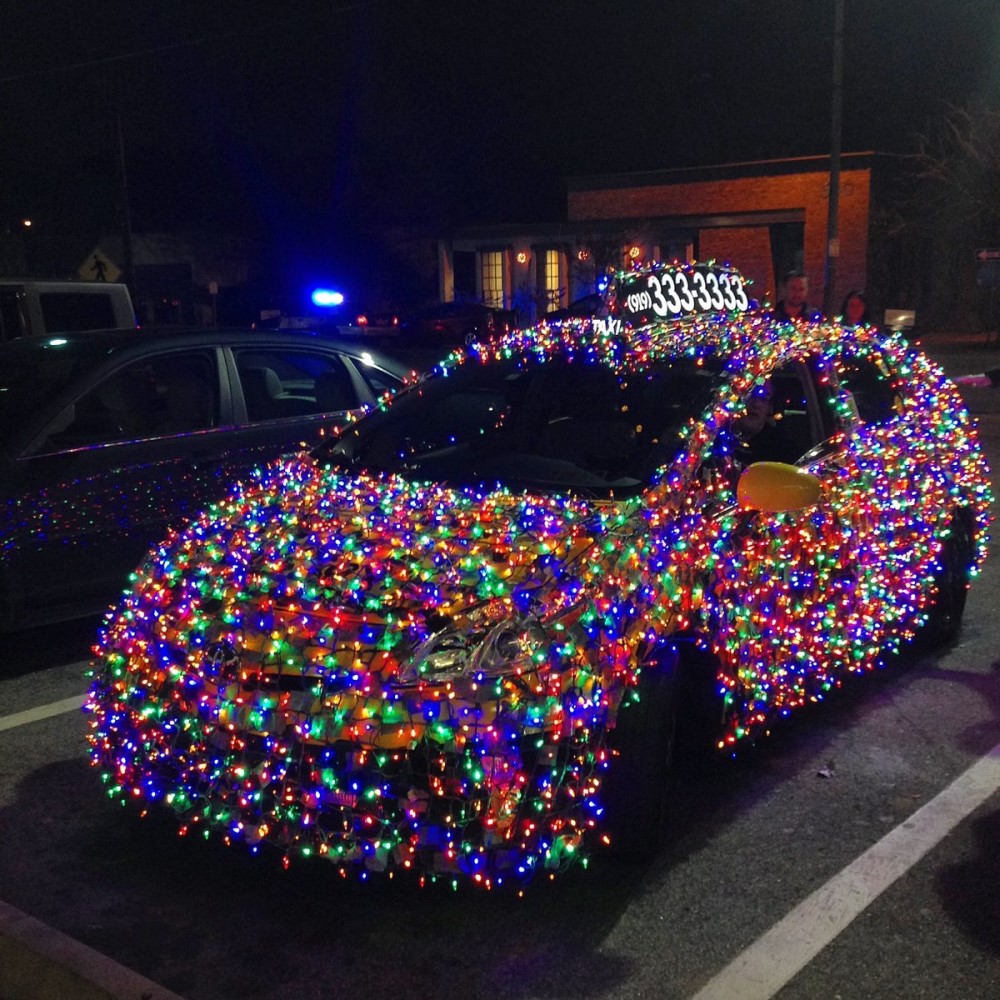
In cities or high-traffic zones, enforcement tends to be stricter. Flashing lights or blocked windows pose greater risks. An officer may pull you over immediately. Fines range from 50 300 based on the violation.
Some departments use discretion. They consider whether the lights impair driving. A few strands around the windows may get a verbal warning. A full roof display with strobes likely results in a citation.
During holiday checkpoints, officers look for multiple violations. Bright lights may prompt checks for expired registration or uninsured vehicles.
Ultimately, even if something feels festive, it may still be deemed unsafe. That’s why understanding “is it illegal to put christmas lights on your car” helps avoid surprises.
Real-Life Examples of Enforcement
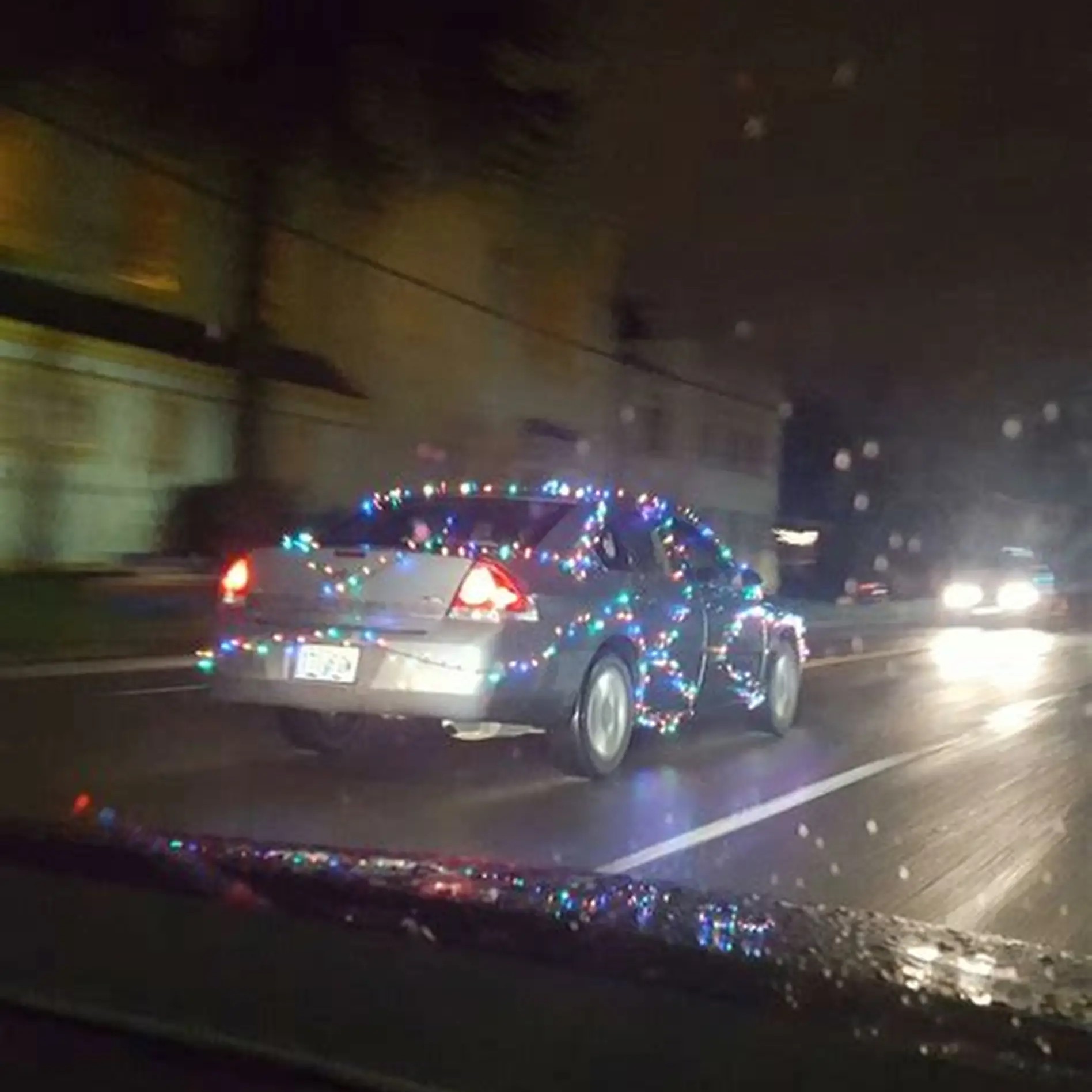
In 2022, a man in Ohio was stopped for driving with rainbow Christmas lights wrapped around his car. Though he claimed it was for pride and holiday cheer, the flashing pattern violated state laws. He received a $125 fine.
Another case in Michigan involved a family with a rooftop sleigh scene. The display included blinking lights and a moving Santa. Police cited them for obstructed vision and unauthorized flashing lights.
Conversely, in Idaho, a woman decorated her minivan with soft white LED strings along the windows. She kept them static and unobtrusive. Officers praised her for being festive but safe. No action was taken.
These examples show that outcomes depend on design, placement, and local norms. Not every lit-up car gets a ticket. But risky setups increase the chance of a stop.
 Safer Alternatives to Exterior Christmas Lights
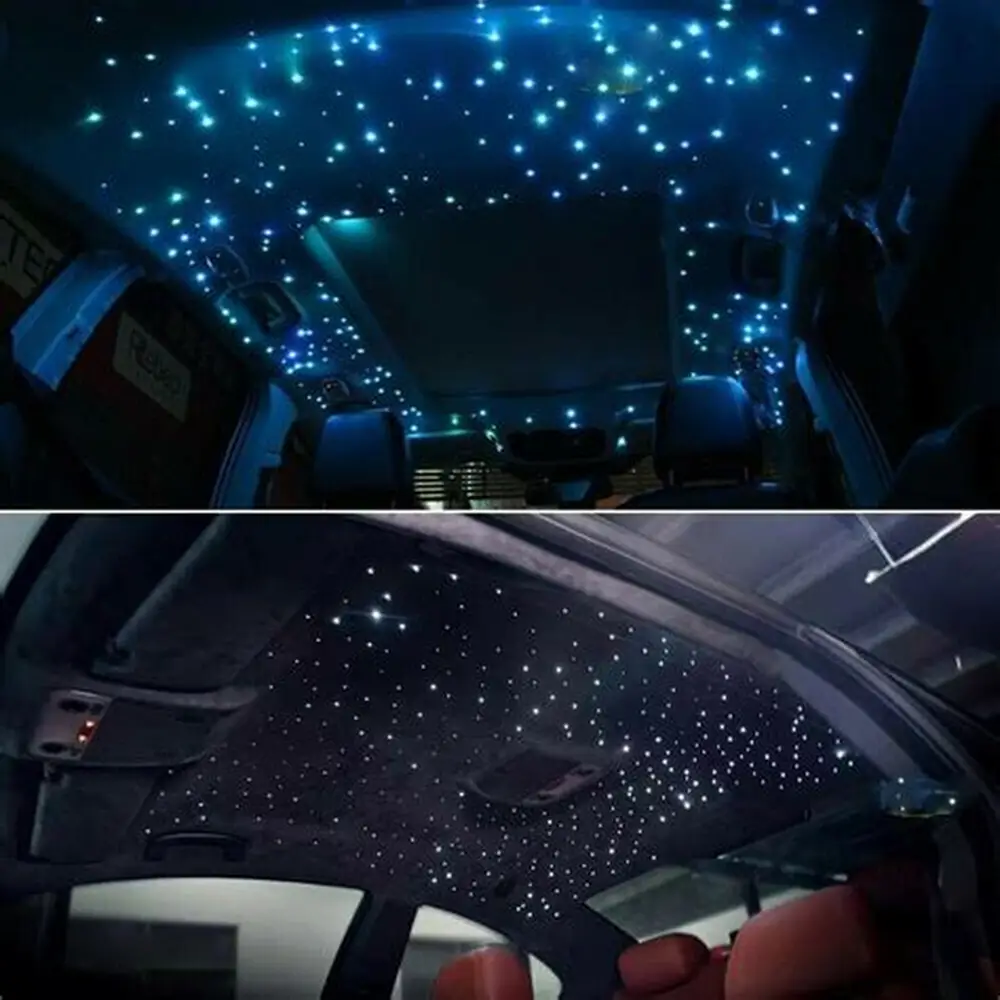
You don’t have to give up holiday fun to stay legal. Several safe options let you celebrate without breaking rules. Use interior lights instead. String battery-powered fairy lights inside the cabin. Place them along the dashboard or footwells. They glow softly without affecting visibility.
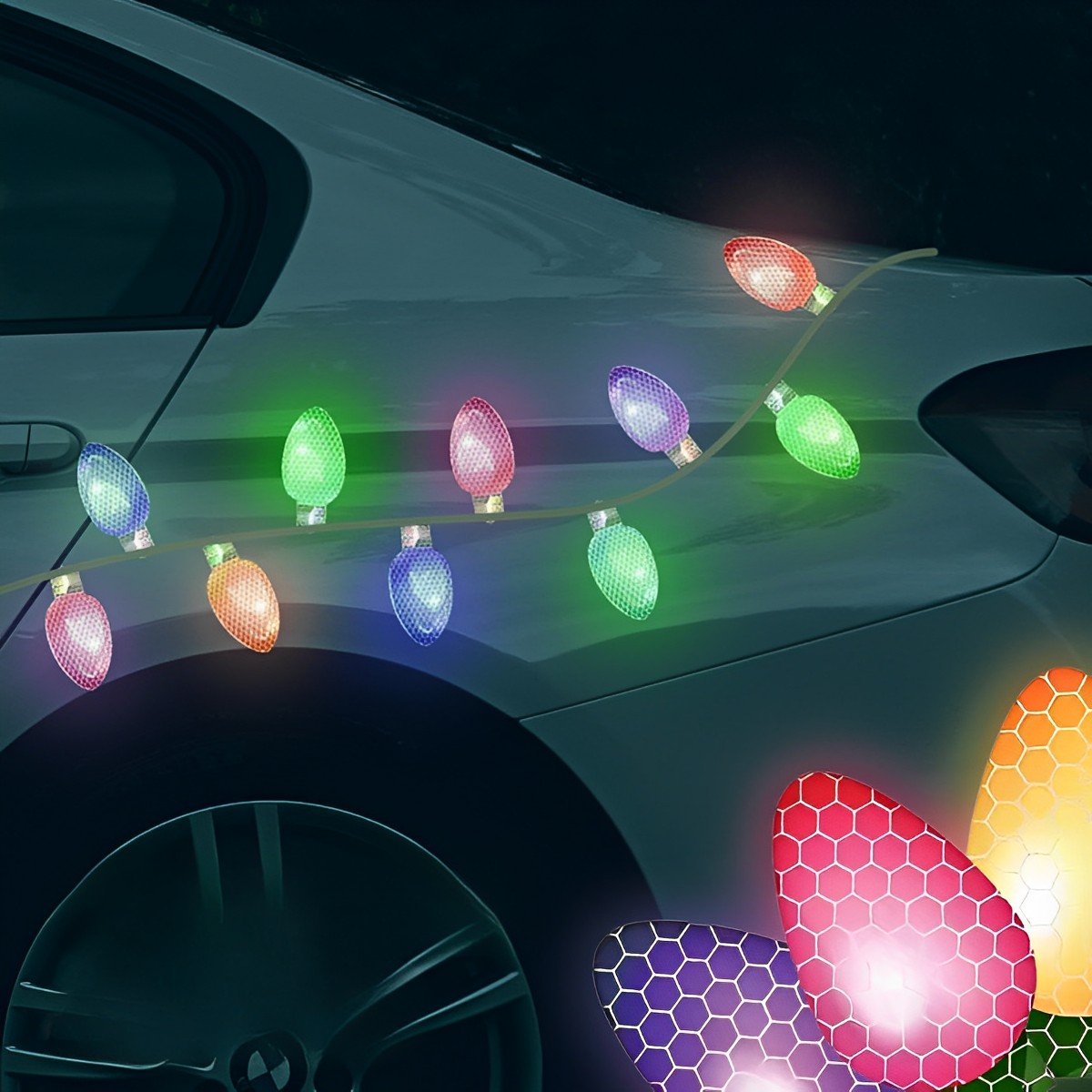
Magnetic or suction-cup ornaments are another choice. Attach snowmen, stars, or wreaths to doors or bumpers. Remove them before driving. Use only when parked at events.
Window decals offer a festive touch. Removable vinyl stickers show snowflakes or messages. They wash off easily after the season.
Hanging a wreath on the rear window is allowed in most places. Just ensure it doesn’t block your view. Keep it small and centered above the license plate.
Participate in stationary events. Join a holiday parade where vehicles park and display lights. Attend drive-through light shows as a spectator. Enjoy the glow without legal risks.
Creative Ideas That Stay Within Legal Limits
Use illuminated license plate frames. Many feature built-in LEDs. They’re designed for vehicles and usually DOT-approved.
Install programmable accent lighting under the chassis. Ground-effect kits shine upward onto lower panels. They’re legal if not visible from a distance.
Add a lighted tree to the back seat. Small artificial trees with mini lights sparkle safely inside. Pair with holiday music for full effect.
Wear festive clothing while driving. Santa hats or ugly sweaters keep the mood alive. They’re completely legal and often spark smiles.
Host a neighborhood display. Park your car in the driveway with full decorations. Invite guests to walk by. Share cocoa and songs.
Celebrate creatively, not illegally.
 Frequently Asked Questions About Christmas Lights on Cars
Is it illegal to put Christmas lights on your car everywhere?
No, laws vary. Some states allow limited decoration. Others ban most external lights.
Can I use LED string lights around my windows?
Only if they don’t flash or block vision. Static white or warm lights are safest.
Do battery-powered lights count as vehicle lights?
Yes, if mounted externally. Internal ones are usually fine.
Will I get pulled over for holiday lights?
Possibly, especially if they blink or resemble emergency signals.
Are roof decorations allowed?
Only if securely fastened and not blocking sightlines.
Can I play music from my car during a display?
Yes, but keep volume low. Noise ordinances may apply.
What if my lights fall off while driving?
You could be fined for littering or creating a hazard. Secure everything well.
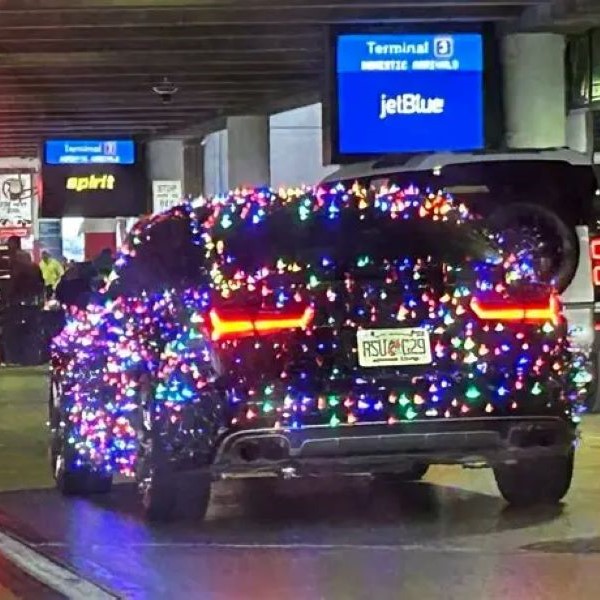 Final Thoughts on Answering “Is It Illegal to Put Christmas Lights on Your Car”
Understanding whether is it illegal to put christmas lights on your car protects both your wallet and safety. While the desire to spread holiday cheer is natural, following the law ensures you don’t cause distractions or accidents.
By choosing interior lighting, removable decor, or event-based displays, you can celebrate responsibly. Always check your state’s DMV website before decorating. When in doubt, opt for safer alternatives.
Festivity doesn’t require breaking rules. With smart choices, you can enjoy the season, delight others, and stay on the right side of the law.