When a car crash occurs, airbags deploy in milliseconds to protect occupants. While they save lives, the force of inflation can cause visible effects on the face after airbag deployment. Many people assume airbags are soft cushions. In reality, they burst outward at speeds over 200 mph. This sudden impact often leaves marks, burns, or swelling on the skin. The result—face after airbag exposure—can include redness, abrasions, and even bruising. These symptoms vary based on seating position, seatbelt use, and whether the person was wearing glasses.
Moreover, the chemical powder released during deployment adds to skin irritation. Airbags use a mix of cornstarch or talc to keep internal fabrics from sticking. When the bag explodes, this dust sprays into the eyes, nose, and mouth. It may cause temporary discomfort or allergic reactions. Some individuals report stinging sensations or difficulty breathing right after. Therefore, understanding what happens to the face after airbag is critical for proper recovery. Immediate care helps reduce complications and speeds healing.
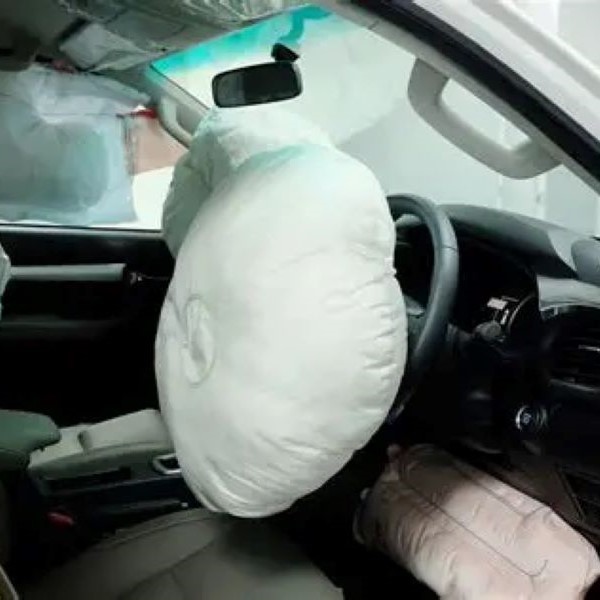 Why the Face Is Most Affected During Airbag Deployment
Anatomy and Impact Zones Explained
The face is one of the most vulnerable areas during a crash. Since it’s forward-facing, it meets the airbag head-on. Even when seated properly, the proximity to the steering wheel or dashboard increases risk. Drivers are especially prone to facial contact. Passengers with bags near their laps may experience upward bursts that strike the chin or nose. As a result, injuries often appear around the forehead, cheeks, and upper lip.
Skin type also plays a role. Delicate or sensitive skin reacts more strongly to friction and chemicals. Older adults may bruise more easily due to thinner tissue. Children, though protected by restraints, can still suffer mild redness. Eyeglasses wearers sometimes have deeper pressure marks. The frames concentrate force along narrow lines. Consequently, these users might develop cuts or chafing behind the ears.
Additionally, body posture affects injury severity. Leaning forward increases collision force. Not wearing a seatbelt allows more movement toward the airbag. Both behaviors raise the chance of harm. On the other hand, sitting upright with arms down reduces risk. Hence, correct positioning minimizes damage to the face after airbag activation.
How Airbags Work and Their Safety Purpose
Airbags are a crucial safety feature in modern vehicles. They are designed to deploy during collisions to protect passengers from severe injuries. This system works by inflating the airbag rapidly upon impact, creating a cushion that absorbs forces. Though airbags significantly reduce fatalities, they can sometimes cause minor injuries.
The role of airbags in vehicle safety
Airbags play an essential role in reducing the severity of accidents. They protect the head, neck, and chest from striking hard surfaces, such as the dashboard or steering wheel. They complement seatbelts by adding an additional layer of defense. Without airbags, high-speed collisions often lead to catastrophic injuries.
Common scenarios where airbags deploy
Airbags deploy in situations where the impact is forceful enough to trigger the sensors. Common scenarios include frontal crashes, side collisions, and rollovers. Some modern vehicles even have rear airbags for added protection. Low-speed accidents typically do not trigger airbags unless the collision angle is unusual. Understanding their deployment conditions helps minimize risks and injuries.
 Common Injuries Caused by Airbag Deployment
Airbags save lives but can sometimes cause injuries when they deploy. These injuries vary in severity and location depending on the type of collision and individual factors.
Facial injuries and burns
Facial injuries are common during airbag deployment. The force of the airbag hitting the face can cause bruises, cuts, and even fractures. In addition, the chemicals used to deploy the airbag may cause burns or skin irritation, especially around the face.
Eye injuries and vision problems
Airbags can also harm the eyes. The force of deployment might cause trauma to the eyes, leading to redness, swelling, or more severe problems like corneal abrasions. In some cases, vision issues may develop temporarily due to irritation or minor scratches.
Neck and head trauma
The rapid impact from an airbag can strain the neck and head. This may result in whiplash or mild head injuries. Severe cases can lead to concussions or other trauma if the airbag strikes these sensitive areas incorrectly.
Reasons for Facial Pain After Airbag Deployment
Facial pain after airbag deployment is a common issue. When airbags deploy, the force and chemicals involved can lead to a variety of facial injuries. Let’s examine the specific causes.
Impact force and fractures
The force of an airbag deployment can be very strong. When the airbag hits your face, it can cause fractures in facial bones. The nose, cheekbones, and jaw are especially vulnerable to fractures due to the intense impact. Even if no bones break, bruises or swelling can occur.
Skin abrasions and chemical burns
Airbags deploy using chemicals like sodium azide. These chemicals can irritate the skin and cause burns. Additionally, the fabric of the airbag itself may scrape against your face, creating skin abrasions. These injuries are particularly common if your face is very close to the airbag during deployment.
Effect of airbag design on facial injuries
Airbag design plays a role in facial injuries. Some airbags have harder surfaces or deploy faster, increasing the likelihood of injuries. If the airbag is positioned improperly or has defects, the risk of harm grows significantly.
Factors That Increase the Risk of Facial Injuries
Facial injuries from airbag deployment can be severe, especially under certain conditions. Knowing these factors can help you prevent or minimize harm.
Improper seating position
Sitting too close to the steering wheel increases injury risk. Airbags deploy at high speeds, and close proximity amplifies the impact force during deployment, heightening the likelihood of fractures or burns. Additionally, reclining too far back or sitting at an improper angle may lead to misalignment with the airbag, increasing neck or facial injuries. Maintaining a correct seating position with adequate distance from the airbag is crucial for safety.
Lack of seatbelt usage
Failing to wear a seatbelt puts you in direct danger during airbag deployment. The seatbelt helps hold your body in place during an accident, reducing the distance your face travels to meet the airbag. Without it, you are likely to be thrown forward with more force, leading to greater facial trauma. Proper seatbelt engagement is a key step in minimizing airbag-related facial injuries.
Airbag malfunctions or defects
Malfunctioning airbags pose a significant risk. Defective airbags may deploy with excessive force, at the wrong angle, or at inappropriate times. In some cases, airbags fail to deploy altogether, denying you the intended protection. Regular maintenance and inspections of the airbag system can help identify and address these issues, reducing the chances of injury.
By addressing these risk factors, you can reduce the chances of serious injuries to your face after airbag deployment.
How to Address Facial Pain and Injuries
Airbag-related facial injuries can range from mild to severe. Knowing how to respond is critical. Prompt care ensures faster recovery and prevents complications. Here’s how to address pain and injuries effectively.
When to seek medical attention
Seek medical attention if you experience severe pain, swelling, or trouble breathing. Fractures, deep cuts, or burns also need professional care. Vision problems, like blurred eyesight or redness, require immediate medical evaluation. A doctor’s assessment helps rule out internal injuries. Never delay seeking care for serious symptoms.
At-home remedies for minor injuries
For mild swelling or pain, apply a cold compress to the affected area. Avoid pressing too hard. Over-the-counter pain relievers like ibuprofen can help ease discomfort. Clean minor cuts or abrasions with mild soap and water to prevent infection. Use aloe vera or burn ointments for redness or small burns caused by chemicals. Rest your facial muscles by avoiding strenuous chewing or talking.
Post-accident care and recovery steps
Follow up with your doctor for a complete check-up, even if injuries seem minor. Attend all scheduled appointments to monitor your recovery. Avoid touching or irritating injured areas to prevent further damage. If prescribed, use medications or ointments as directed. Maintain a healthy diet to support healing and stay hydrated. Document your injuries for insurance or legal purposes, if needed.
 Preventative Measures to Minimize Future Injuries
Preventing injuries during airbag deployment requires careful preparation and safe driving habits. By following these measures, you can reduce risks and protect yourself.
Proper driving posture and seating adjustments
Maintain the correct posture while driving to align yourself with safety features. Sit upright, with shoulders relaxed and firmly against the seatback. Ensure there’s at least 10 to 12 inches between your chest and the steering wheel. Adjust your seat so that your feet comfortably reach the pedals without straining. Avoid reclining the seat too far, as it can misalign your body with airbag deployment. Proper posture minimizes the risk of serious facial or neck injuries.
Importance of seatbelt engagement
Always wear your seatbelt while driving or riding in a car. Seatbelts work with airbags to reduce injury risks. They keep your body from moving forward during collisions, minimizing the force on your face after airbag activation. Adjust the seatbelt so it fits snugly over your shoulder and chest. Avoid tucking it under your arm or behind your back. Consistent seatbelt use significantly lowers the chances of severe injuries caused by airbag impact.
Regular vehicle maintenance and airbag checks
Routine vehicle inspections enhance airbag reliability and reduce risks. Schedule regular service appointments to check your airbag system. Replace airbags if they’ve deployed or show signs of wear. Ensure the sensors work properly, and address any airbag recalls promptly. Maintaining your car’s safety features ensures airbags function as designed, minimizing potential harm in an accident.
Legal and Financial Implications of Airbag-Related Injuries
Facial injuries from airbags can involve legal and financial consequences. Understanding these aspects helps with smoother recovery.
Filing insurance claims for medical costs
After an airbag-related injury, filing a claim is often necessary. Document your injuries with photos and medical reports. Reach out to your insurance provider as soon as possible. Provide details about the crash, injuries, and treatments you received. Include evidence like police reports and witness statements to support your claim. Ensure you file within your policy’s stipulated time frame. Promptly addressing claims leads to faster reimbursements.
Understanding vehicle liability and safety recalls
Some injuries may result from airbag defects. Vehicle manufacturers may be liable in such cases. Check if your car has unresolved safety recalls related to airbags. Visit official websites or contact your dealer for updates. Addressing recalls ensures defective airbags don’t worsen your injuries. In instances of proven manufacturer fault, compensation may be available.
Seeking legal assistance for defective airbags
If airbag defects caused your injury, consult an experienced lawyer. They can guide you on legal actions against manufacturers. Lawyers help gather evidence of defective airbags and their role in your injuries. A successful case can provide compensation for medical expenses and damages. Legal assistance provides clarity and ensures your rights are protected.
 Frequently Asked Questions About Face After Airbag
Common Concerns Answered Clearly
Does everyone get hurt when the airbag goes off? No, many walk away unharmed. Can airbags cause broken bones? Rarely, but facial fractures are possible. Do airbags leave permanent scars? Usually not—most marks fade in days.
Is it safe to touch the airbag dust? Wash it off quickly to avoid irritation. Should I go to the ER after deployment? Yes, even without obvious injuries. Can kids have worse reactions? Possibly—their skin is more sensitive. Will my face swell a lot? Mild puffiness is normal; severe swelling needs care.
Can I drive right after? Only if cleared by a doctor. Does makeup make it worse? Wait until skin heals to avoid infections. Can I sue the car company? Only if the airbag malfunctioned. These answers help users make informed decisions. Addressing fears promotes healing and awareness.
 Final Thoughts on Healing and Moving Forward
Embracing Recovery After Airbag Exposure
Understanding face after airbag impact prepares you for real-world outcomes. While lifesaving, airbags deliver powerful force. Recognizing potential injuries leads to better care. Prompt cleaning, cooling, and medical checks speed recovery. Most people heal within a week with no lasting damage.
Moreover, combining physical and emotional support ensures full healing. Talk about fears. Seek help when needed. Share stories with others who’ve been through similar events. Education reduces fear of future accidents.
Ultimately, knowing what to expect makes a big difference. You’ll feel more confident behind the wheel. Safety habits protect you and your loved ones. Therefore, learning about face after airbag isn’t just informative—it’s empowering. Every driver benefits from this knowledge.