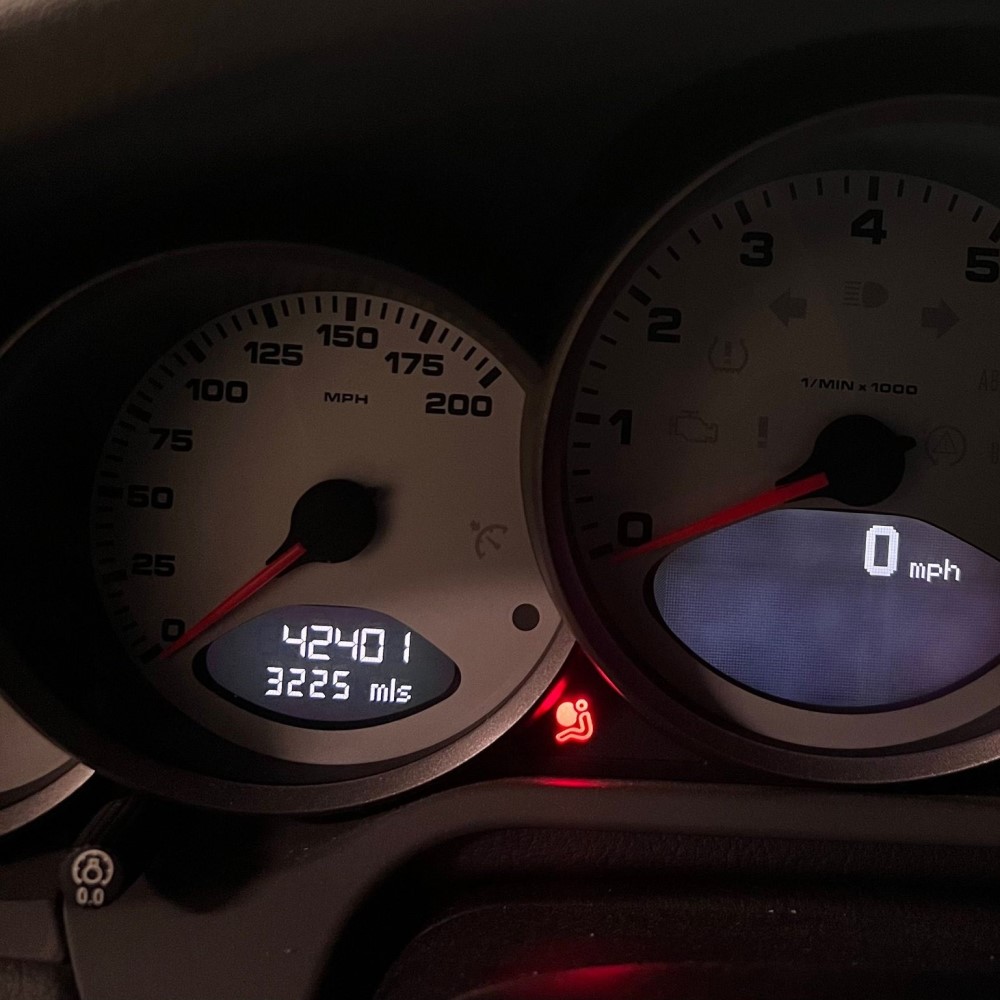
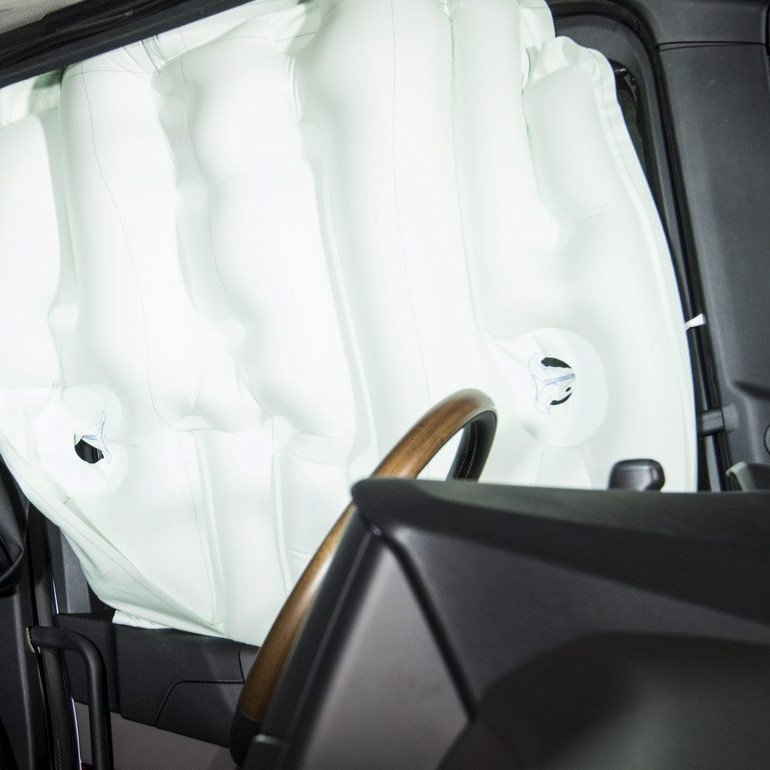
The curtain airbag has become a vital safety feature in modern vehicles. Unlike traditional front airbags, it deploys from the roof lining along the side windows. Its main purpose is to protect occupants’ heads during side-impact collisions. These crashes are especially dangerous because there is less structural protection between the passenger and the point of impact. With the curtain airbag, drivers and passengers gain a crucial layer of defense. As a result, head injuries and fatalities have decreased significantly over the past two decades.
Moreover, the curtain airbag inflates quickly—within milliseconds of impact. It covers the side windows from front to rear, shielding multiple seats. This design makes it effective in SUVs, sedans, and minivans alike. Most systems remain inflated for several seconds. This extended protection helps during rollovers or multiple impacts. Because of its reliability and performance, the curtain airbag is now standard in many new cars.
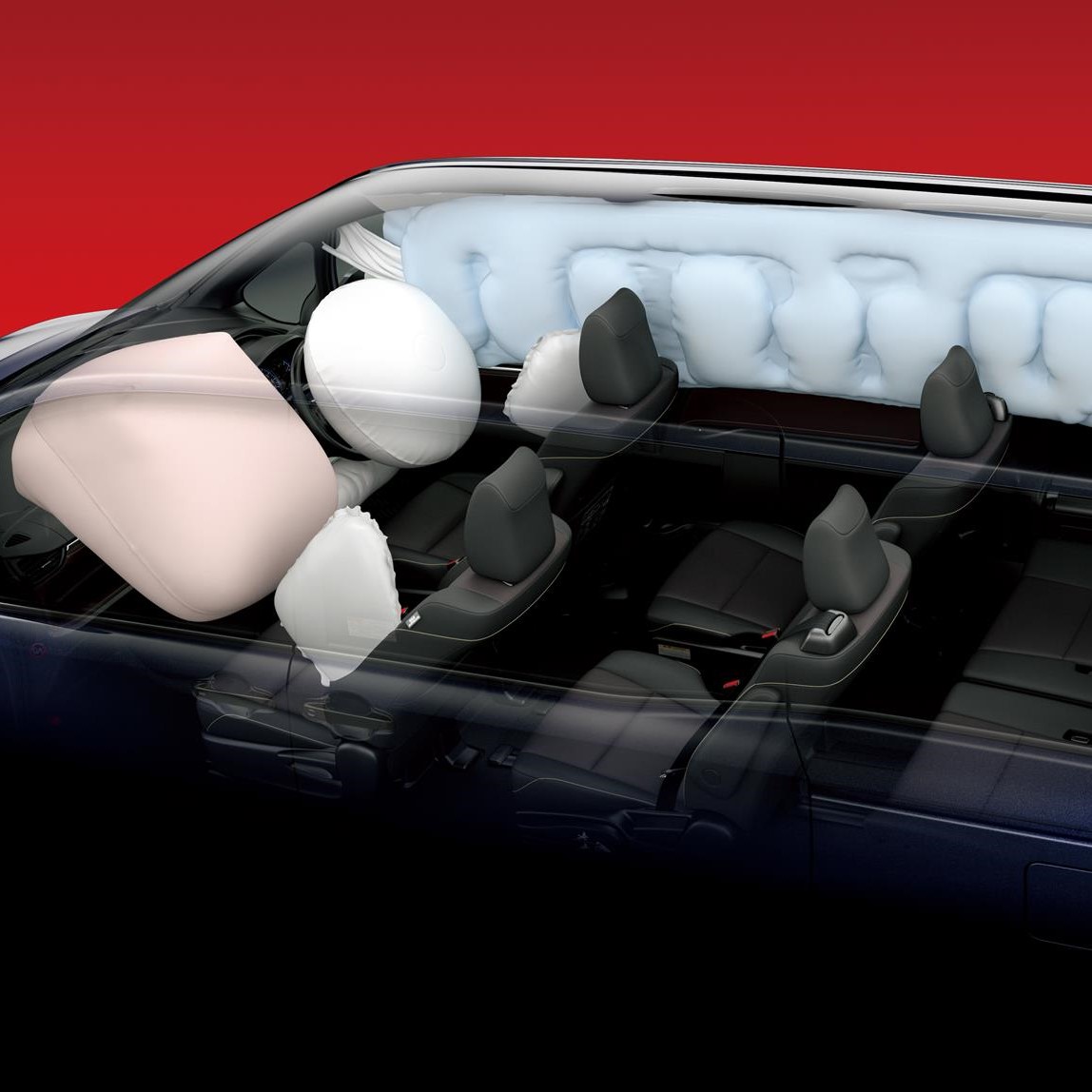
Introduction of Curtain Airbags
Curtain airbags are a critical part of modern vehicle safety systems. They are designed to provide additional protection in side-impact crashes and rollover accidents. Positioned along the sides of a car’s interior roofline, they cover the windows when deployed, shielding occupants from severe harm.
Definition and Purpose
Curtain airbags are inflatable safety devices installed in vehicles to protect passengers during side impacts and rollovers. Their primary purpose is to prevent head injuries by cushioning passengers’ heads and keeping them away from hard structures. They also help reduce the likelihood of ejection from the vehicle during severe collisions. By creating a protective barrier between the passenger and external dangers, curtain airbags save lives.
Key Features of Curtain Airbags
- Wide Coverage Area: Curtain airbags typically extend from the front to the rear seats, protecting multiple passengers.
- Rapid Deployment: These airbags inflate almost instantly during a crash to ensure immediate protection.
- Long Duration Inflation: They remain inflated longer than frontal airbags during rollovers to provide sustained protection.
- Side Window Coverage: The airbags shield against glass shards, reducing the risk of cuts and injuries.
- Compact Design: When not deployed, curtain airbags remain hidden, ensuring they don’t affect interior aesthetics.
These features demonstrate that curtain airbags are crucial for maximizing passenger safety, particularly in side-impact scenarios.
How Curtain Airbags Work
Curtain airbags are designed to protect passengers during side-impact crashes or rollovers. Their functioning involves rapid deployment and precise sensing mechanisms to ensure maximum safety.
Deployment Mechanism
The deployment mechanism of curtain airbags is swift and effective. These airbags are stored compactly along the roofline of the car’s interior. When a crash occurs, sensors detect the impact and send signals to the inflator system. The inflator releases compressed gas to fill the airbags within milliseconds. Once deployed, the airbags cover the windows and protect passengers’ heads from hitting hard surfaces or being ejected.
Sensing and Activation During Crashes
Curtain airbags rely on advanced sensors to detect crash scenarios. These sensors are linked to the car’s safety systems and monitor sudden changes in vehicle speed or direction. In a side-impact crash or rollover, the sensors activate the curtain airbags instantly. This rapid response minimizes the risk of severe injuries by creating a protective barrier. The system is designed to only activate during situations that pose a real threat to passenger safety.
Benefits in Vehicles
Curtain airbags offer numerous benefits that significantly enhance safety during accidents. Their presence ensures better protection for passengers in hazardous situations like side impacts and rollovers.
Enhanced Passenger Protection
Curtain airbags provide superior protection for passengers in critical moments. By covering the windows, they shield passengers from external debris and glass shards. This reduces the likelihood of cuts and bruises during a crash. The airbags also act as a barrier against the impact force, minimizing injuries caused by collision with hard surfaces. Additionally, their wide coverage ensures multiple passengers, including those in the rear seats, receive protection during an accident. The extended inflation time aids in offering sustained safety, especially in rollover situations. Together, these features form a robust safety mechanism.
Prevention of Head and Neck Injuries
Head and neck injuries are common in side-impact accidents. Curtain airbags play a vital role in preventing such injuries. They cushion passengers’ heads, keeping them away from hard surfaces like windows and pillars. This reduces the risk of traumatic brain injuries or spinal damage. The airbags’ ability to deploy instantly ensures timely protection during rapid crash scenarios. By preventing head or neck contact with dangerous structures, curtain airbags protect passengers from potentially life-threatening injuries. Thus, they are pivotal in enhancing the overall safety of modern vehicles.
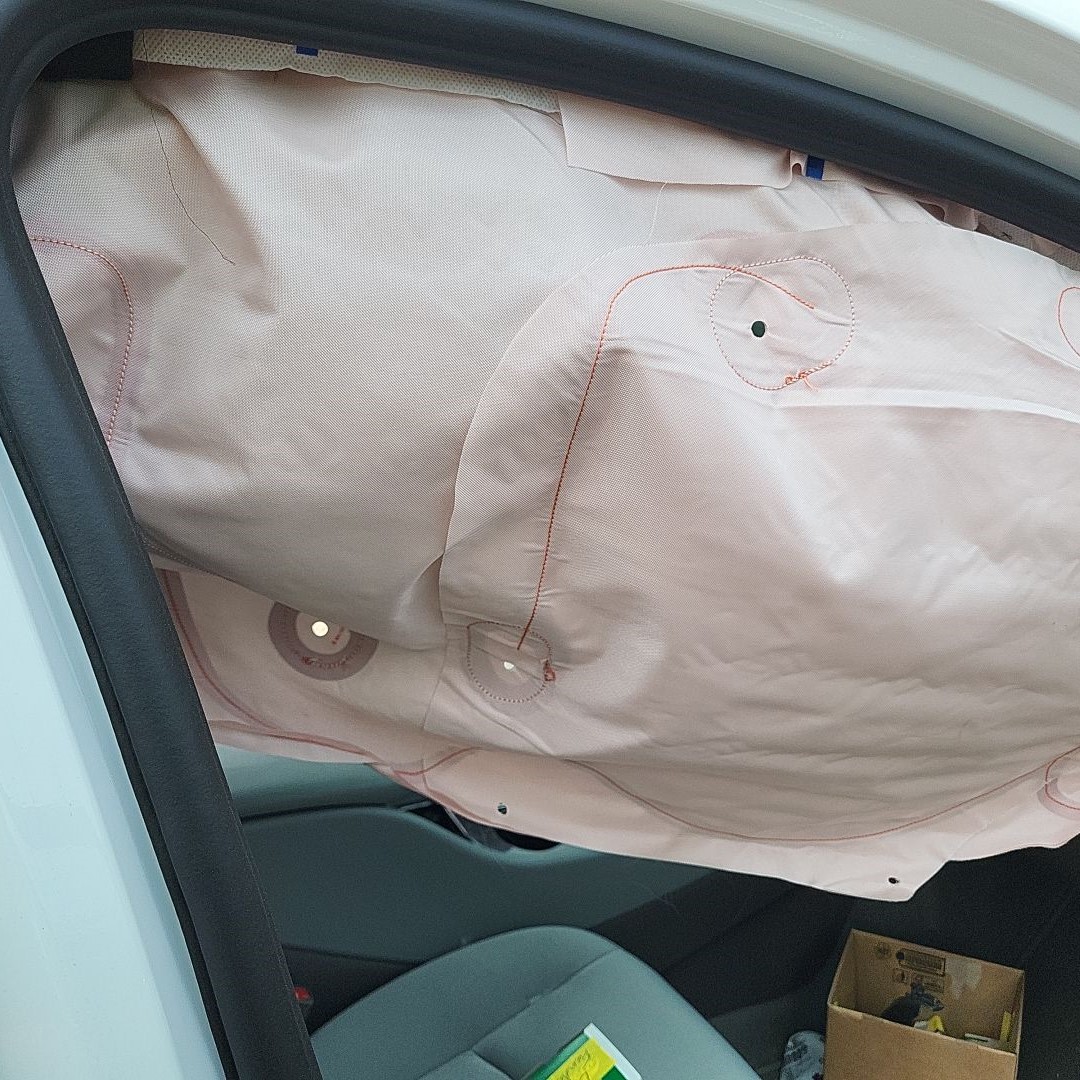 Safety Standards
Curtain airbags are an essential feature in modern cars, contributing significantly to safety during accidents. These airbags adhere to specific regulations and standards ensuring their effectiveness and reliability.
Regulatory Requirements
Curtain airbags must meet strict safety norms set by authorities. Governments and international organizations define these regulations to ensure passenger protection. Standards focus on performance during crashes, including inflation speed and coverage area. Testing procedures evaluate how well curtain airbags protect passengers in side-impact accidents. The regulations also address durability, ensuring airbags perform reliably even after prolonged use or extreme conditions. Compliance with these rules guarantees safer vehicles for drivers and passengers.
Compliance in Modern Automobiles
Modern cars are designed to follow all curtain airbag safety standards. Manufacturers integrate advanced sensors and deployment mechanisms to meet regulatory requirements. Compliance ensures airbags activate rapidly during side impacts or rollovers, reducing injury risks. Cars undergo rigorous crash testing to verify airbag functionality and placement. Manufacturers also use high-quality materials for airbags, ensuring durability and reliability. With proper compliance, cars equipped with curtain airbags offer high levels of passenger safety, meeting legal and consumer expectations.
Curtain Airbags vs Other Airbag Types
Curtain airbags play a distinct role in car safety compared to other types of airbags. Understanding their unique functionality and advantages helps highlight their importance in modern vehicles.
Comparison of Functionality
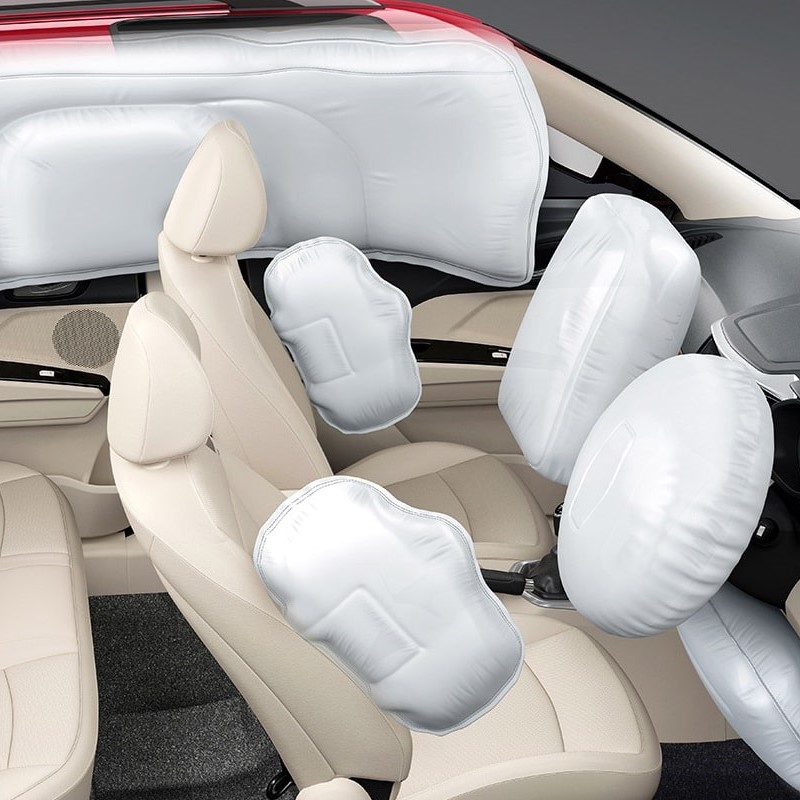
Curtain airbags are designed for side impacts and rollovers. They protect passengers by covering the side windows and shielding heads from impact. Unlike frontal airbags, which deploy during head-on collisions, curtain airbags extend along the roofline to cover a larger area.
Frontal airbags protect the driver and front passenger during direct crashes. In contrast, curtain airbags provide protection for occupants in both front and rear seats. Additionally, side airbags protect the torso during side impacts but lack the wide coverage of curtain airbags.
Advantages Over Traditional Airbags
Curtain airbags have several advantages over traditional airbags. Their wide coverage area protects multiple passengers in one deployment. They are also effective in preventing ejections during rollovers, which most other airbags cannot do.
Furthermore, curtain airbags reduce the risk of injury from broken glass during crashes. Their prolonged inflation time adds sustained protection in rollover accidents. These features make curtain airbags indispensable in ensuring maximum passenger safety.
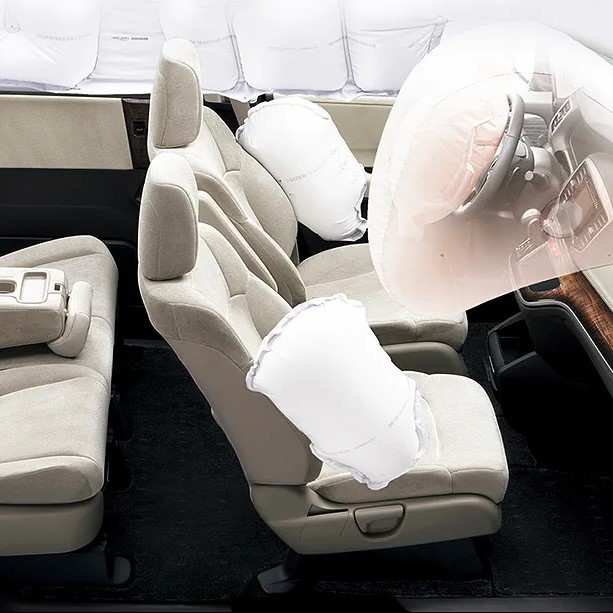 Advancements in Technology
Curtain airbag technology has consistently evolved to boost passenger safety during accidents. Innovations in design and materials ensure better performance, while future trends aim for smarter airbag systems.
Innovations in Design and Materials
Modern curtain airbags leverage cutting-edge designs and advanced materials to enhance performance. Key advancements include:
- Optimized Folding Techniques: Engineers design airbags for quick and controlled deployment, minimizing risks during activation.
- Lightweight Fabric: Strong yet lightweight fabrics improve durability without adding extra weight to vehicles.
- Precision Deployment: New systems ensure airbags deploy with exact timing using enhanced sensors.
- Compact Storage Mechanisms: Compact designs save space in the roofline while maintaining aesthetics.
- Eco-Friendly Materials: Manufacturers utilize recyclable and sustainable materials, reducing environmental impact.
These changes make curtain airbags more effective while aligning them with modern manufacturing practices.
Future Trends in Airbag Systems
Emerging trends aim to revolutionize curtain airbag systems. Key developments include:
- Integration with AI: AI-based sensing systems predict crash scenarios for quicker airbag deployment.
- Expanded Passenger Coverage: New designs cover additional areas, like door openings, for enhanced protection.
- Customizable Deployment Settings: Future airbags may adjust inflation levels based on crash severity.
- Wireless Communication: Curtain airbags might integrate with vehicle-wide wireless safety networks for coordinated responses.
- Smart Fabric Technologies: Innovative fabrics may monitor impact pressure and dynamically adjust cushion levels.
These futuristic solutions promise more robust safety features and smarter vehicles equipped with curtain airbags.
Tips for Choosing a Vehicle with Curtain Airbags
Choosing a vehicle with curtain airbags is vital for enhanced passenger safety. Consider these tips when looking for such models.
Recognizing Models Equipped with Curtain Airbags
Identifying vehicles with curtain airbags requires knowing where to look and what features are essential.
- Check Manufacturer Specifications: Review the safety features of the car in official brochures or websites.
- Look for Standard Equipment: Many modern cars include curtain airbags as a standard safety feature.
- Note Vehicle Categories: SUVs, sedans, and upscale models often feature curtain airbags.
- Ask Dealerships for Details: Dealers can confirm if the car has curtain airbags installed.
- Examine Crash Test Ratings: Models with high safety scores usually come equipped with curtain airbags.
These steps will help ensure the car provides adequate protection during side impacts or rollovers.
Importance of Checking Safety Features
Evaluating safety features goes beyond just confirming the presence of curtain airbags.
- Test Airbag Functionality: Ensure airbags comply with safety regulations and standards in your region.
- Assess Sensor Technology: Advanced sensing systems ensure airbags deploy effectively during accidents.
- Verify Placement: Check the airbags cover front and rear passenger areas adequately.
- Inspect Build Quality: High-quality materials ensure airbags perform reliably for extended periods.
- Review Additional Safety Features: Features like side airbags, stability control, and rollover prevention are complementary.
By inspecting these factors, you guarantee maximum protection for all passengers before making a purchase.
How Curtain Airbags Improve Safety for Children and Rear Passengers
Protecting the Most Vulnerable Occupants
Rear passengers, especially children, benefit greatly from curtain airbags. Many crashes involve side impacts. Without protection, kids in car seats can hit the window. The curtain airbag reduces this risk significantly.
Car seats are designed to protect during front crashes. However, they offer less side impact support. The curtain airbag adds an extra layer. It prevents heads from striking glass or metal.
Taller SUVs and minivans have larger side windows. This means more exposure during a crash. The curtain airbag covers this area completely. It acts like a shield during T-bone collisions.
Many parents place children in the back seat for safety. The curtain airbag reinforces this practice. It ensures that the safest seat remains protected.
Some systems cover all rows. This is important in larger vehicles. Third-row passengers in SUVs gain the same protection as front riders.
School buses do not have airbags. Therefore, family vehicles must offer strong safety features. The curtain airbag helps fill that gap.
Child safety laws do not require airbags. However, choosing a vehicle with them is a smart decision. It shows commitment to family safety.
Always use proper car seats and seatbelts. The curtain airbag works best when occupants are secured. It is not a replacement for restraints.
Together, seatbelts and airbags form a complete safety system.
 Frequently Asked Questions
Common Concerns and Expert Answers
Do all cars have curtain airbags? No. Most new cars do, but older models may lack them. Always check the vehicle’s safety rating.
Can the curtain airbag deploy accidentally? Rarely. It only activates during a real side impact. Normal driving, bumps, or potholes won’t trigger it.
Does it protect against front crashes? No. It is designed for side impacts. Front airbags handle head-on collisions.
Can I turn it off? No. Unlike front airbags, curtain airbags cannot be disabled. They are always active.
What if I see dust after deployment? That’s normal. The airbag releases talcum powder or cornstarch. It keeps the fabric flexible before inflation.
Is it safe to sit close to the window? Yes. The airbag inflates away from the body. It does not hit with full force.
Can I install one in an older car? Not easily. Retrofitting is complex and expensive. It requires sensors, wiring, and structural changes.
 Final Thoughts
A Critical Feature for Modern Vehicle Safety
The curtain airbag is more than just a safety option—it is a life-saving technology. Its ability to protect heads during side impacts has made it a standard in today’s vehicles. By covering side windows and staying inflated during rollovers, it offers unmatched protection. Families, commuters, and frequent drivers all benefit from its presence.
As vehicle safety continues to evolve, the curtain airbag remains a cornerstone. It works with seatbelts and other airbags to form a complete defense. More importantly, it reduces the risk of severe injury in common crash types. So when choosing a car, always look for one with a curtain airbag. It may not seem important until the moment it saves a life. Ultimately, the curtain airbag is not just a feature—it is peace of mind on every journey.