The Mustang SUV non electric brings together performance, heritage, and daily usability in one bold vehicle. While the name “Mustang” has long stood for raw muscle and high-speed thrills, Ford redefined it with the introduction of the Mustang Mach-E. However, many enthusiasts still seek a true fusion of classic Mustang spirit with SUV practicality—without going fully electric. Therefore, the concept of a mustang suv non electric resonates strongly with drivers who love power, style, and gasoline-powered freedom. This imagined or modified vehicle represents a blend of aggressive design, rear-wheel-drive dynamics, and spacious utility.
Although Ford currently markets the Mach-E as an all-electric model, demand remains high for a combustion-engine version. Enthusiasts want the iconic pony car legacy wrapped in a higher-riding, versatile SUV body. From rugged weekend adventures to city commutes, a mustang suv non electric would offer the best of both worlds. It would appeal to those who value driving feel, engine sound, and fueling convenience. As a result, this idea continues to inspire conversations, custom builds, and future speculation.
 Why the Demand for a Mustang SUV Non-Electric Still Exists
Bridging the Gap Between Tradition and Modern Needs
Many drivers remain loyal to internal combustion engines. They appreciate the sound, responsiveness, and familiarity of gasoline power. While electric vehicles grow in popularity, not everyone is ready to switch. Charging infrastructure remains a concern in rural or cold-weather areas. In contrast, gas stations are everywhere. Therefore, a mustang suv non electric would eliminate range anxiety and charging delays.
Additionally, performance purists want a visceral driving experience. The roar of a V6 or V8 engine excites in a way that electric motors cannot replicate. The tactile feedback from gear shifts and throttle response builds connection with the car.
SUV buyers also prioritize space and versatility. Families need room for passengers and cargo. A mustang suv non electric could deliver that without sacrificing sporty aesthetics. It might offer standard rear-wheel drive with optional all-wheel drive for traction.
Moreover, towing capability matters. Gas-powered engines often provide stronger low-end torque for hauling trailers or boats. This feature fits the outdoor lifestyle many Mustang fans enjoy.
Custom builders and tuners are already exploring this niche. They modify Explorer or Edge platforms with Mustang styling cues. These builds prove market interest.
Thus, a factory-produced mustang suv non electric would fill a real gap in the market.
Design Elements That Define the Mustang Identity
Bold Styling Inspired by Decades of Heritage
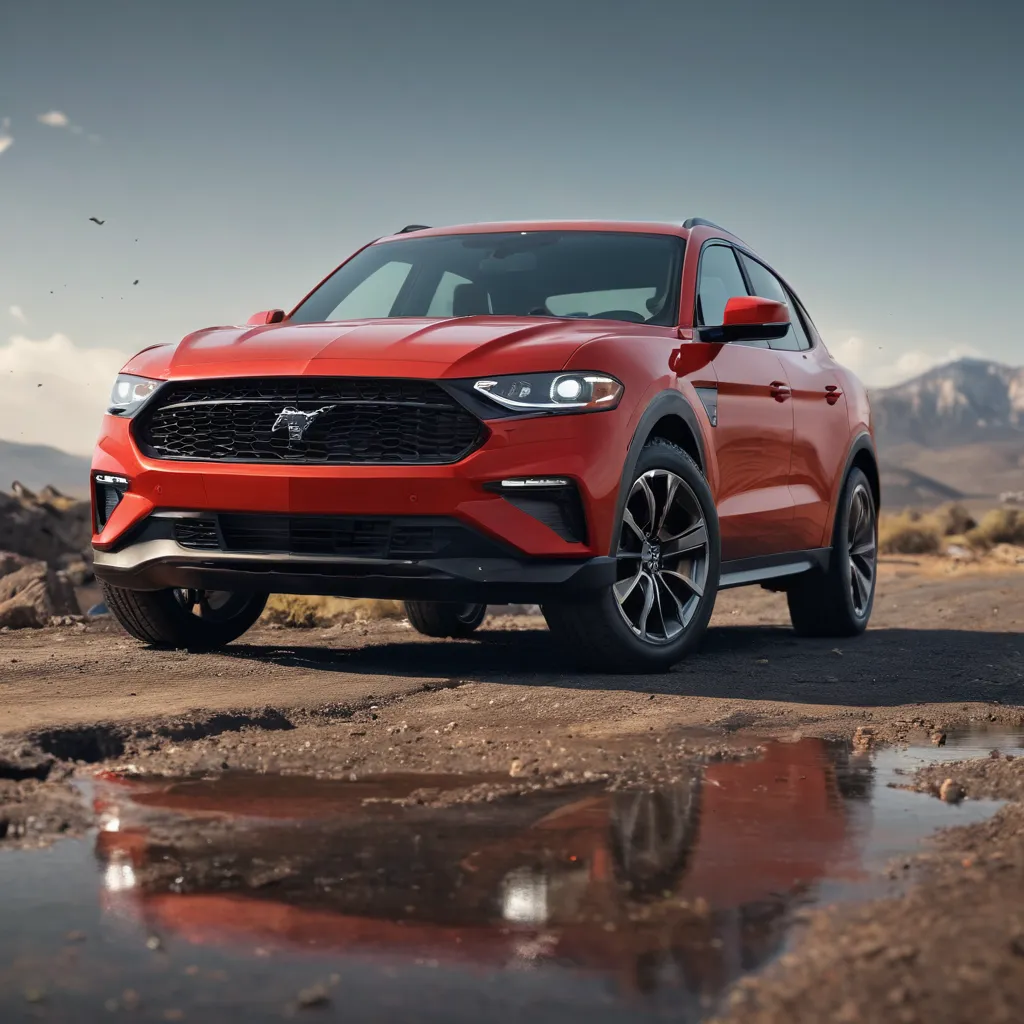
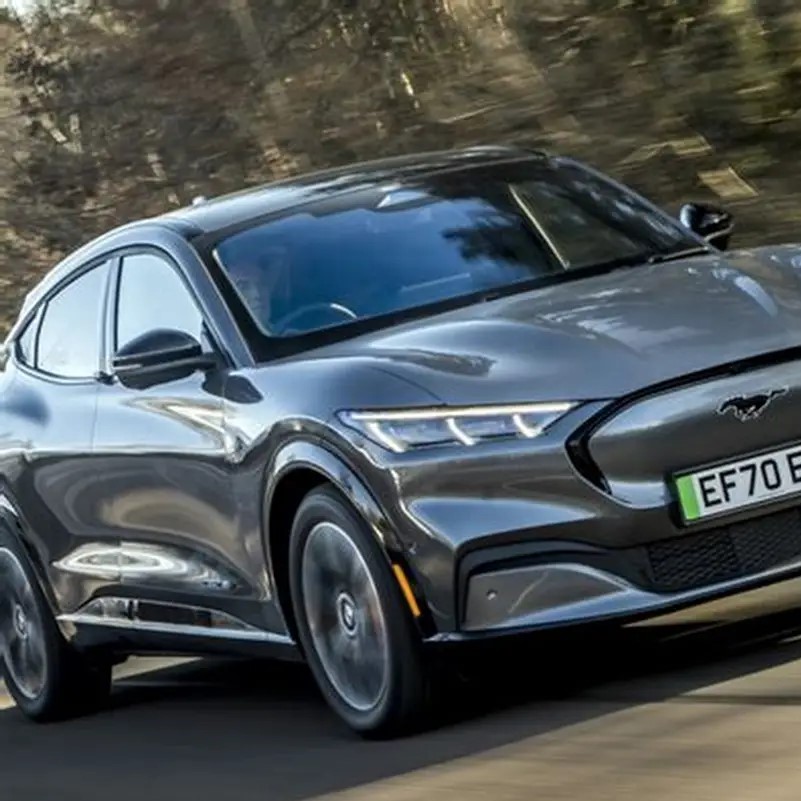
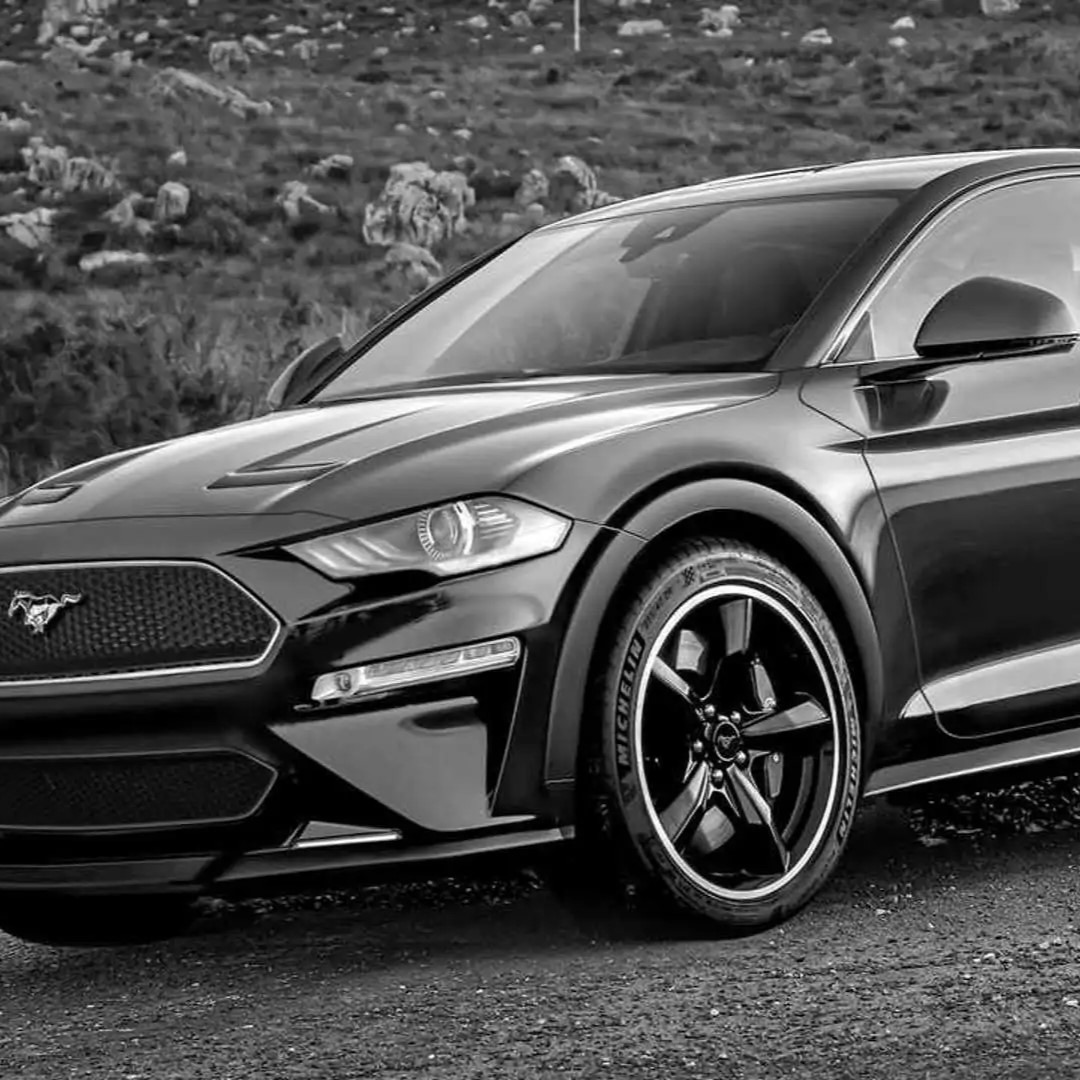
Any true mustang suv non electric would carry signature design cues from its pony car roots. First, the front grille would be aggressive, with a wide lower intake and a bold tri-bar emblem. The headlights would be narrow and slanted, echoing the classic 1960s look.
The side profile would feature a fastback roofline. This flowing silhouette mimics the original Mustang coupe. Fender flares would house wide wheels, enhancing the muscular stance.
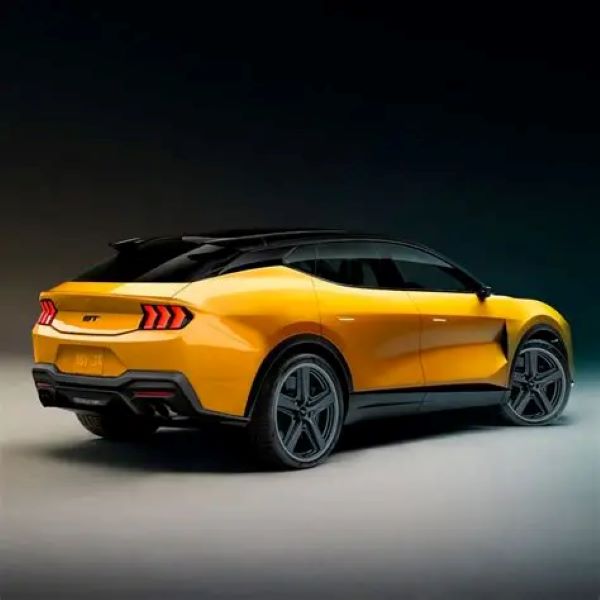
At the rear, a prominent spoiler would add aerodynamic flair. Tri-bar taillights would glow in true Ford fashion. Exhaust tips would be large and center-mounted or dual-side, signaling performance intent.
Paint options would include performance shades like Race Red, Oxford White, and Rapid Red. Heritage stripes could run down the hood and roof. Gloss black or matte finishes would appeal to modern tastes.
Interior touches would reinforce the theme. Recaro-style sport seats with contrast stitching would come standard. Aluminum pedals, a flat-bottom steering wheel, and a Mustang badge on the dash would complete the driving environment.
Even the startup sequence could feature a simulated engine growl. This auditory cue would please fans missing the V8 rumble.
Every detail would remind drivers of the Mustang’s legacy.
 Performance Expectations for a Gas-Powered Mustang SUV
Engine Options and Driving Dynamics
A mustang suv non electric would need strong engine choices to satisfy performance fans. A standard 2.3L EcoBoost turbocharged four-cylinder could deliver around 315 horsepower. This would provide quick acceleration and responsive handling.
An optional 5.0L Coyote V8 would be the dream upgrade. With 450+ horsepower, it would dominate the midsize SUV segment. This engine would offer a throaty exhaust note and rear-wheel-drive dominance.
Transmission options would include a 6-speed manual for purists. Most buyers would likely choose a 10-speed automatic with paddle shifters. This setup balances speed and comfort.
Drivetrain choices would matter. Rear-wheel drive would be standard, preserving the Mustang’s DNA. All-wheel drive would be optional for slippery conditions.
Suspension tuning would lean toward sporty. Adaptive dampers could adjust stiffness based on drive mode. Sport+ would lower the ride height and sharpen throttle response.
Brakes would be performance-grade. Brembo calipers and larger rotors would handle repeated hard stops.
Handling would benefit from a lower center of gravity than typical SUVs. Short overhangs and wide track would improve cornering.
With these features, a mustang suv non electric would offer true muscle SUV performance.
Practicality and Daily Usability of a Mustang-Based SUV
Space, Comfort, and Family-Friendly Features
Despite its performance focus, a mustang suv non electric would need real-world utility. Seating for five would be standard. Front seats would be supportive and heated. Available cooling would enhance comfort in summer.
Rear legroom would exceed the standard Mustang fastback. Taller passengers would fit without strain. The hatchback design would offer easy access to the cargo area.
Cargo space would range from 30 to 60 cubic feet. This would handle groceries, luggage, or sports gear. Fold-flat rear seats would expand capacity.
Infotainment would include a large touchscreen. Sync 4 with wireless Apple CarPlay and Android Auto would keep drivers connected. A premium sound system would deliver crisp audio.
Driver assistance features would be available. Adaptive cruise control, lane-keeping assist, and blind-spot monitoring would improve safety.
Fuel economy would depend on engine choice. The EcoBoost might achieve 22 mpg city and 30 mpg highway. The V8 would drop to 15–18 mpg. This trade-off would be acceptable to performance fans.
Towing capacity could reach 3,500 pounds. This would support small trailers or jet skis.
With these features, the vehicle would serve as both a weekend warrior and a daily driver.
 Custom and Concept Versions That Mimic the Mustang SUV
Aftermarket Builds and Unofficial Prototypes
Since Ford doesn’t offer a factory mustang suv non electric, enthusiasts create their own. Some modify Ford Explorers with Mustang front ends, hoods, and badges. These custom builds blend SUV space with pony car looks.
Others use body kits to give the Edge or even the Bronco Sport a Mustang-inspired appearance. Wide fenders, spoilers, and lowered suspensions enhance the aggressive look.
Interior swaps are common too. Mustang GT seats, dash trims, and floor mats transform the cabin. Some add performance gauges or shift knobs.
Tuners upgrade the engines. Supercharger kits boost horsepower in EcoBoost models. Exhaust systems enhance sound and flow.
One notable example is the “Mustang Mach 1 SUV” concept by custom designers. It imagines a gas-powered, rear-drive SUV with a 5.0L V8. Renderings show a fastback roof and classic grille.
Another trend is the “Muscle Utility Vehicle” (MUV) category. It includes modified SUVs with high-output engines and bold styling.
These builds prove demand exists. They also push automakers to consider factory production.
Where to Buy or Build a Mustang SUV Non-Electric
Finding Parts, Dealers, and Reputable Mod Shops
No official dealership sells a mustang suv non electric. However, drivers can pursue custom builds. Start with a Ford Explorer or Edge in good condition. Look for low mileage and solid maintenance history.
Search for body kits online. Websites like CARiD, AmericanMuscle, and Latemodel Restoration offer Mustang-style grilles, hoods, and aerodynamic kits. Some are paintable for a factory finish.
Wheels matter too. Choose staggered sizes with a deep lip. Mustang GT wheels or aftermarket versions in 20” or 21” would fit well.
Engines can be upgraded at performance shops. Companies like Steeda, Roush, or MTI specialize in Ford tuning. They offer superchargers, exhausts, and ECU tuning.
Interior parts are available from Mustang suppliers. Install GT seats, steering wheels, and instrument clusters. Use sound-deadening material to reduce road noise.
Hire a reputable body shop for paint and alignment. Poor fitment ruins the look. Make sure all lights and sensors work after modifications.
Join online forums. Mustang6G, Reddit’s r/mustang, and FordTrucks.com have build threads. Members share tips and recommend vendors.
While not factory-made, these vehicles become unique, personalized machines.
 Frequently Asked Questions
Common Concerns and Realistic Answers
Is there a factory Mustang SUV with a gas engine? No, not yet. The current Mustang Mach-E is fully electric. No official non-electric Mustang SUV exists.
Can I convert a Mach-E to gas power? No. The chassis and systems are designed only for electric drive. Conversion is not feasible.
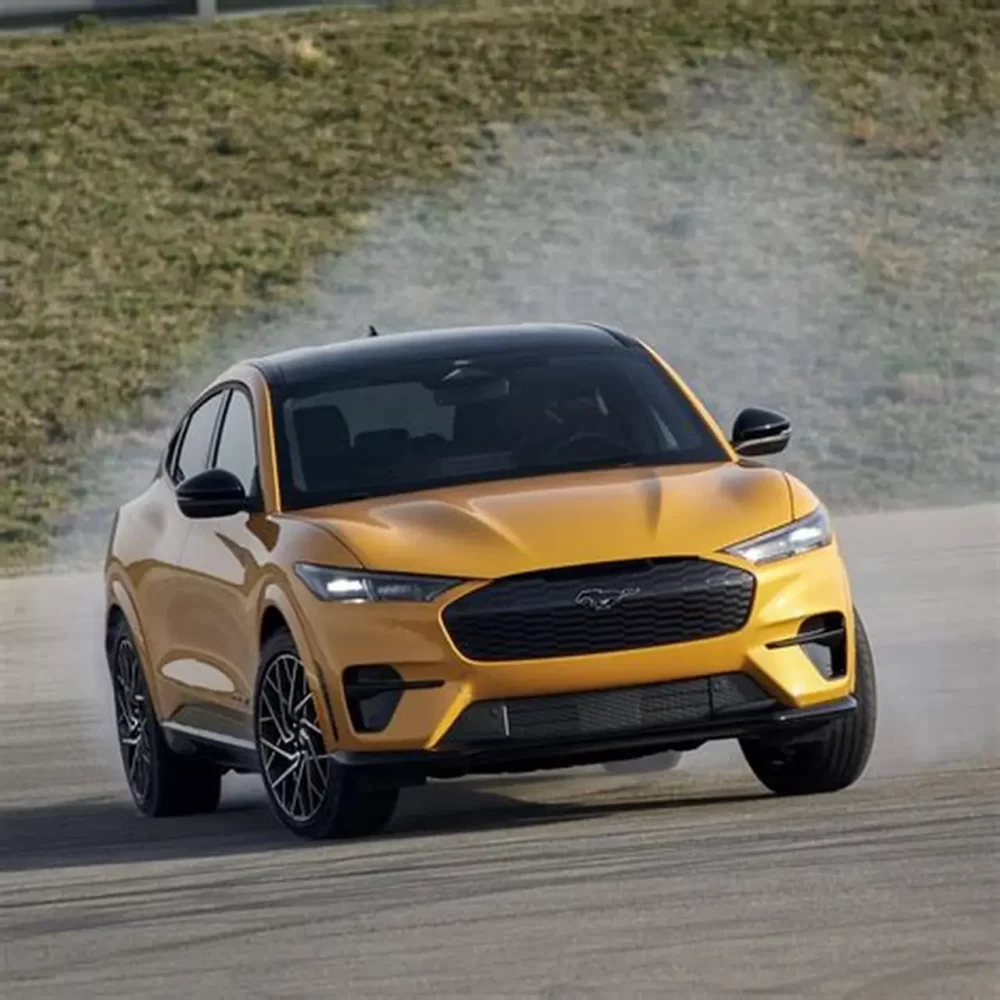
Would a gas-powered Mustang SUV be faster than the Mach-E? Not necessarily. The Mach-E GT hits 0–60 mph in 3.5 seconds. A V8 version might reach 4.5 seconds. Electric torque gives an edge.
Is it legal to modify an SUV with Mustang parts? Yes, if done correctly. Follow local regulations on lighting, height, and emissions. Avoid obstructing driver visibility.
Will Ford ever build a non-electric Mustang SUV? No official plans exist. However, market demand could influence future decisions.
Can I tow with a modified Mustang SUV? Yes, if the base model supports it. The Explorer tows up to 5,600 lbs. Performance mods don’t reduce this.
How much does a custom build cost? 10,000 30,000, depending on parts and labor. High-end engines and full body kits increase cost.
 Final Thoughts on the Future of the Mustang SUV Non Electric
A Concept That Refuses to Fade
The idea of a mustang suv non electric remains alive because it meets real driver needs. It combines emotional appeal with practical function. While Ford pushes electric innovation, many fans still crave the roar of a gas engine and the thrill of manual control. This desire won’t disappear overnight.
Custom builds keep the vision alive. They show what’s possible and inspire future designs. One day, Ford may listen and deliver a true combustion-powered Mustang SUV. Until then, enthusiasts will keep imagining, modifying, and driving their own versions. So whether through factory dreams or garage creations, the spirit of the mustang suv non electric continues to gallop forward.