The electric large SUV is rapidly becoming a top choice for families, adventurers, and eco-conscious drivers. These vehicles combine the spaciousness and comfort of full-size SUVs with the clean, quiet operation of electric powertrains. With room for seven, massive cargo capacity, and long-range capabilities, the electric large SUV delivers practicality without sacrificing performance.
Moreover, demand for this class of vehicle continues to grow. Consumers want vehicles that can handle road trips, school runs, and weekend getaways—all while reducing emissions. Automakers are responding with bold new models that offer luxury, advanced tech, and impressive towing power. This guide explores everything you need to know about electric large SUVs, from top models to charging and ownership benefits.
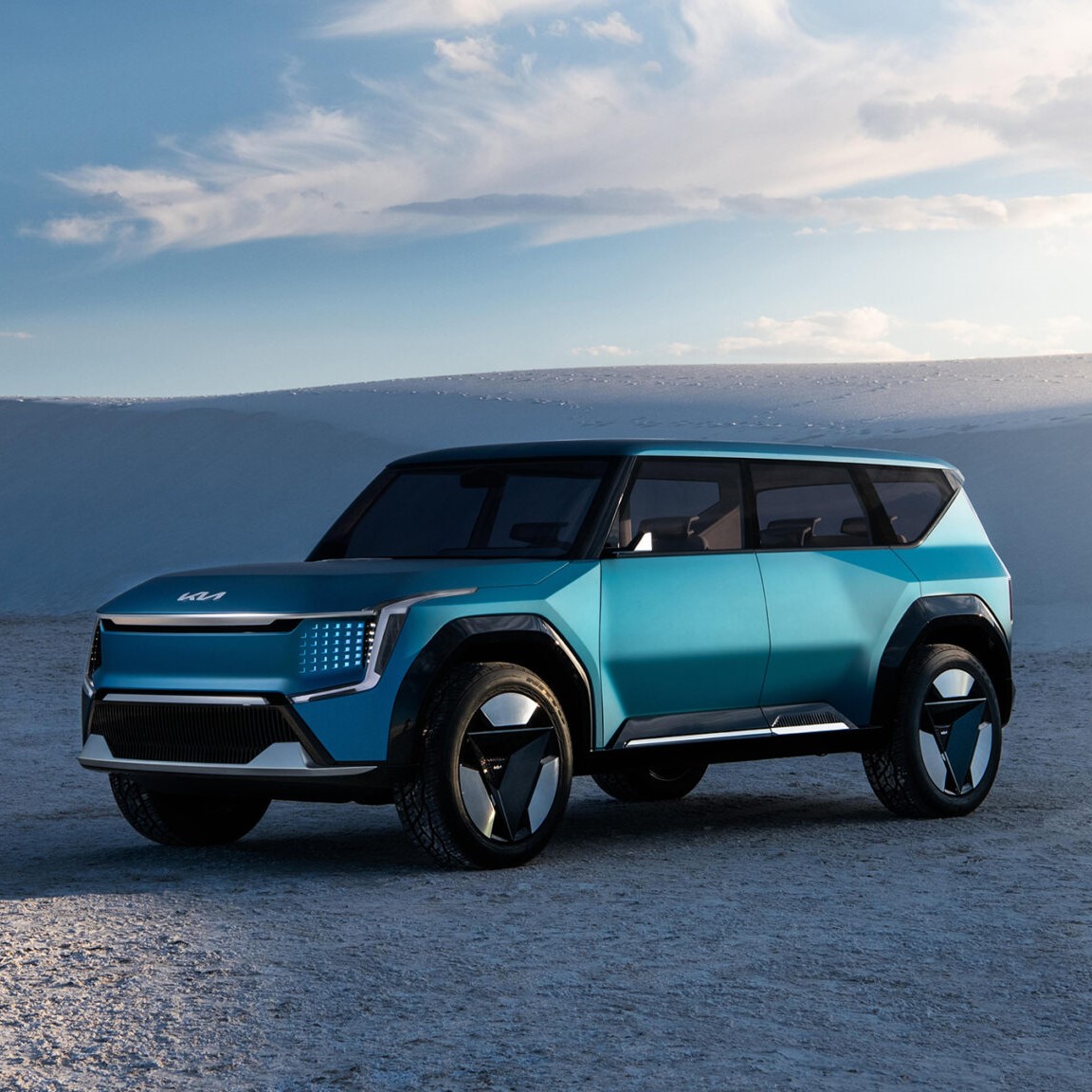 Why the Large Electric SUV Is Gaining Popularity
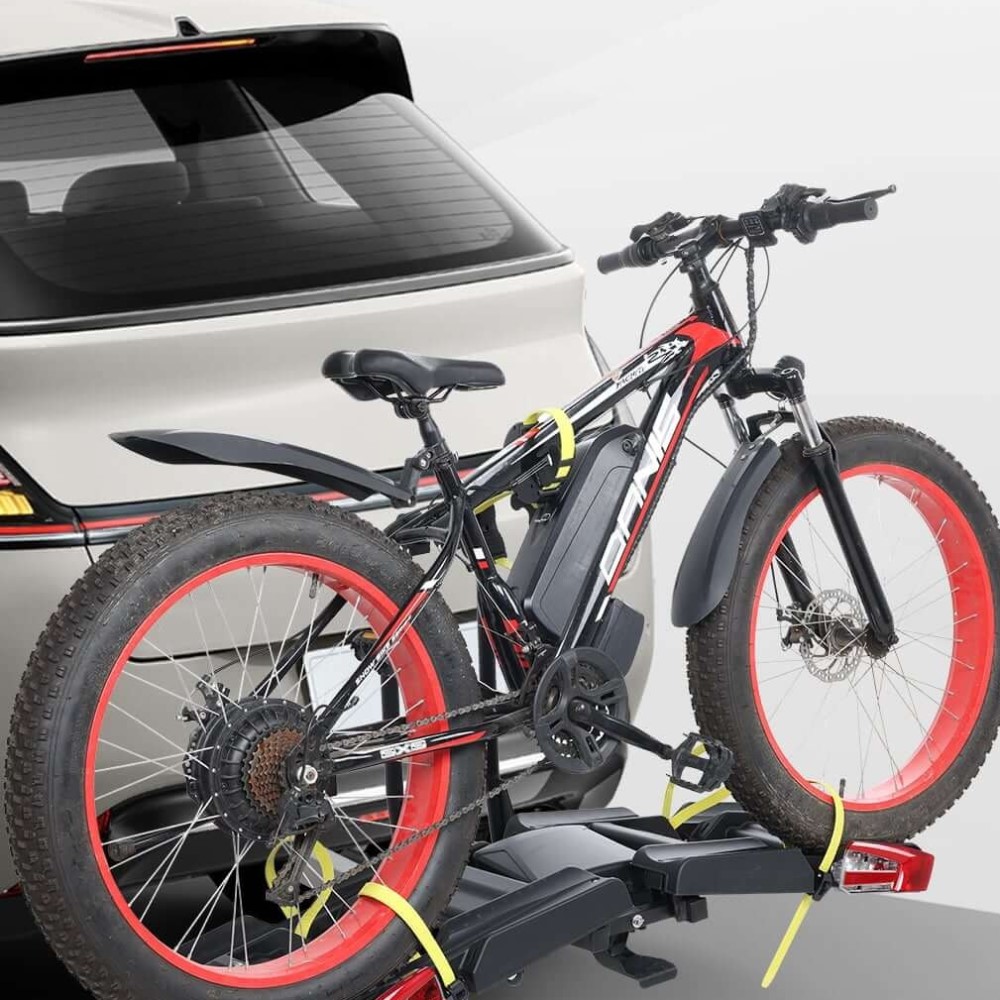
The electric large SUV appeals to a wide range of drivers. Families appreciate the extra space for children, gear, and long drives. Meanwhile, outdoor enthusiasts value the all-weather traction and cargo room for bikes, skis, and camping gear. These vehicles offer comfort and versatility in one powerful package.
They also provide smooth, instant acceleration. Electric motors deliver torque from the first moment. There’s no lag or gear shifting. This makes merging onto highways and climbing hills effortless. Drivers feel confident in all conditions.
Range anxiety is decreasing. Many new models exceed 300 miles on a single charge. Some reach 400 miles or more. This allows long-distance travel without frequent stops. Charging networks are expanding rapidly across the U.S. and Europe.
Additionally, these SUVs feature advanced driver assistance systems. Lane-keeping, adaptive cruise, and automatic emergency braking enhance safety. Parents and older drivers find these systems reassuring.
Owners also enjoy lower operating costs. Electricity is cheaper than gas. Maintenance needs are reduced. There are no oil changes, exhaust systems, or complex transmissions. This saves time and money over the long term.
Key Features That Set Electric Large SUVs Apart
One standout feature is the flat floor design. Without a transmission tunnel, cabin space improves. Middle-row passengers enjoy more legroom. Entry and exit become easier, especially in tight parking spots.
Second, tri-motor and dual-motor systems offer all-wheel drive. This boosts traction on snow, mud, or gravel. Performance models accelerate from 0 to 60 mph in under 4 seconds. This rivals sports cars while carrying a full load.
Third, massive infotainment screens dominate the dash. Many include 15-inch or larger touchscreens. Some add front passenger displays. Voice commands and over-the-air updates keep systems current.
Fourth, heat pump systems improve cold-weather range. Traditional HVAC systems drain batteries. Heat pumps recycle waste heat. This maintains efficiency in winter.
Fifth, adaptive air suspension adjusts ride height. It lowers for highway efficiency. It raises for off-road clearance. Drivers switch modes with a button.
Finally, bi-directional charging is emerging. Some models can power homes during outages. This turns the electric large SUV into a mobile energy source.
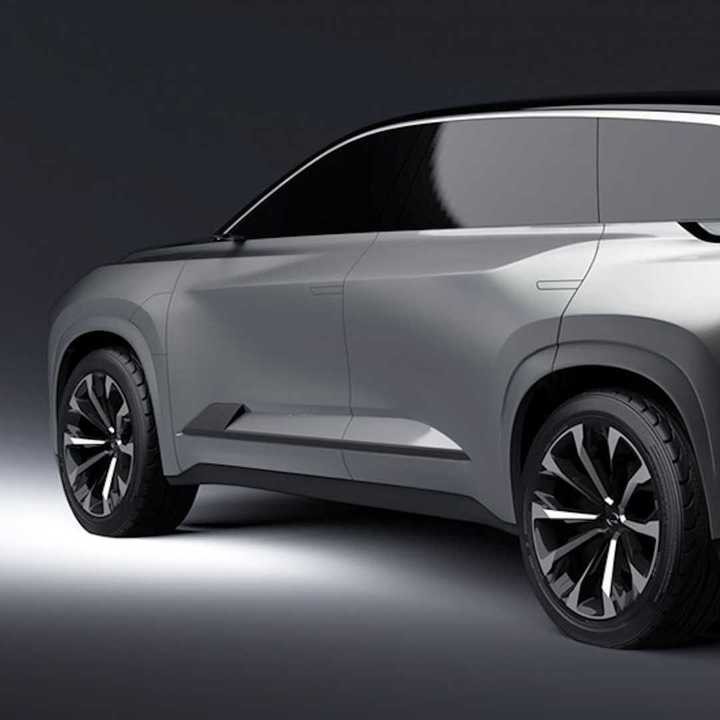 Top Models in the Large Electric SUV Market
The Tesla Model X leads in innovation. It features falcon-wing doors for easy rear access. Its Plaid version hits 0–60 mph in 2.5 seconds. Autopilot and Full Self-Driving options attract tech lovers.
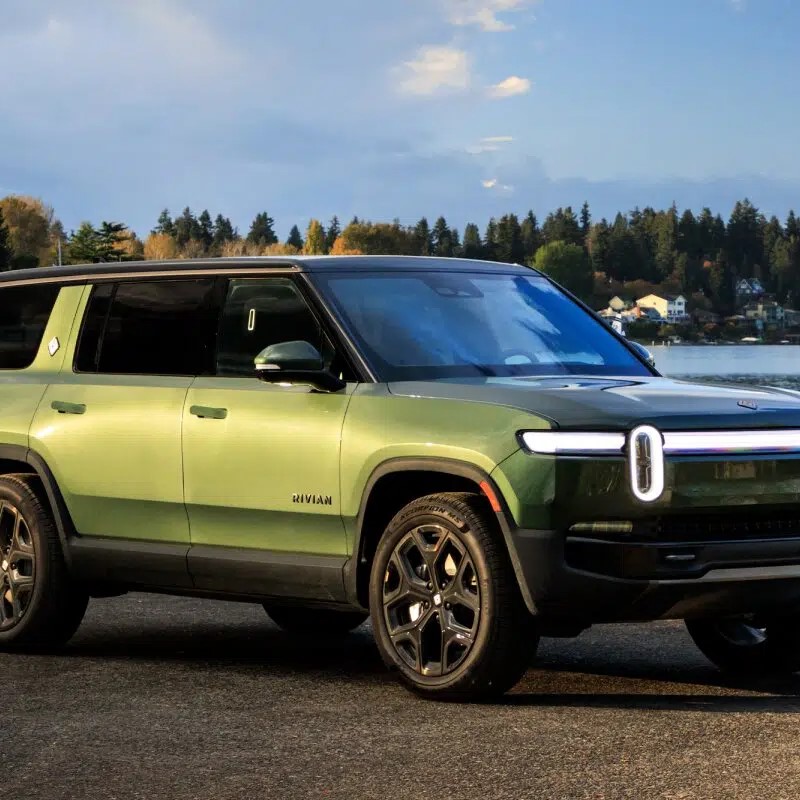
The Rivian R1S impresses with off-road ability. It has a “tank turn” mode for tight spaces. Ground clearance reaches 14.9 inches. Underbody armor protects against rocks. Adventure-ready by design.
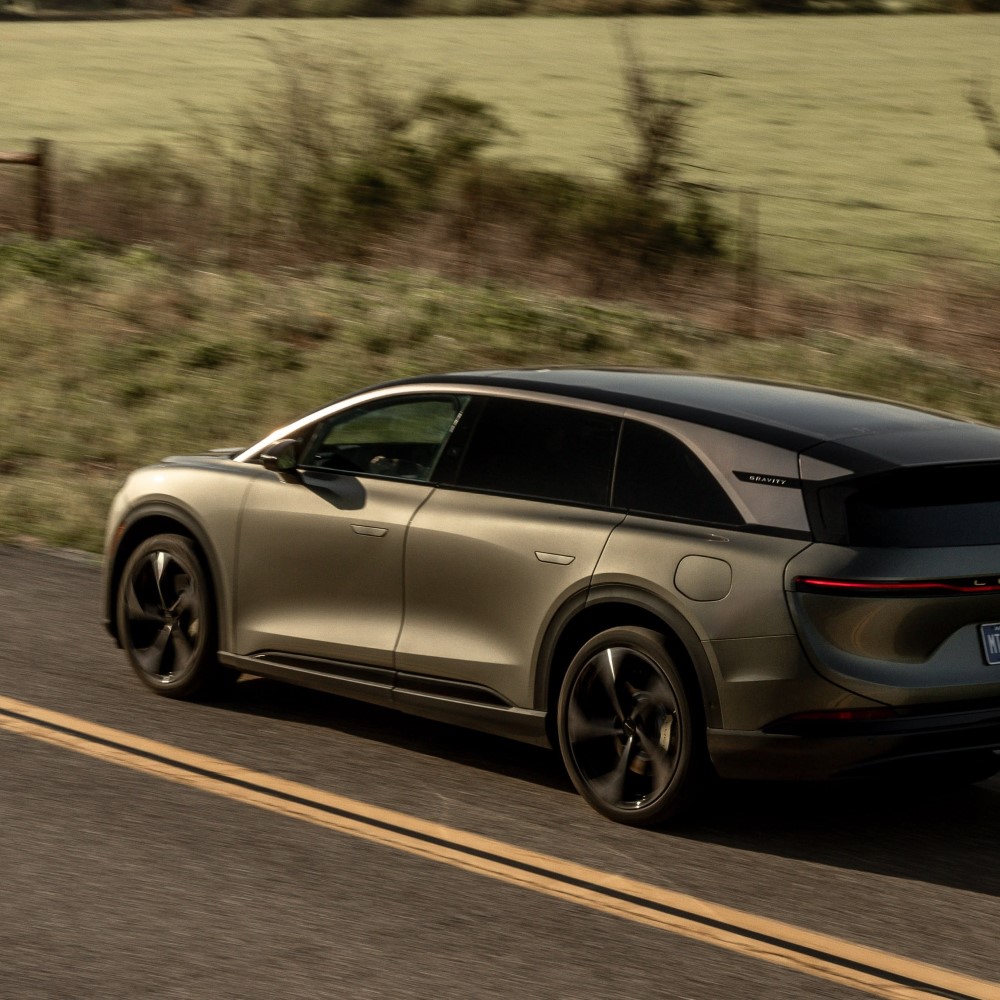
The Lucid Gravity offers luxury and range. It promises up to 440 miles per charge. Seating for up to seven is standard. Executive rear seats include recline and leg rests.
The Ford Expedition ELX is coming as a fully electric model. It builds on Ford’s trusted SUV name. Expect rugged styling and strong towing—up to 10,000 pounds.
The Audi Q8 e-tron delivers European refinement. Premium materials line the cabin. Quattro all-wheel drive ensures stability. DC fast charging adds 160 miles in 10 minutes.
The BMW iX offers a bold look and smooth ride. Its hexagonal grille hides sensors. Interior uses sustainable materials. Level 2 autonomy is available.
The Mercedes EQS SUV blends elegance with tech. Hyperscreen spans the dashboard. Rear-seat entertainment keeps kids happy. Massage seats add comfort on long drives.
Each model targets different buyers. Some prioritize speed. Others value space or luxury. The electric large SUV market now offers real choice.
Comparing Range, Charging, and Efficiency
Range varies across electric large SUV models. The Lucid Gravity leads with up to 440 miles. The Tesla Model X offers 350 miles. The Rivian R1S delivers 321 miles. These numbers support long trips with minimal charging.
Charging speed matters. Most support DC fast charging. At 250 kW stations, they gain 150–200 miles in 15–20 minutes. Tesla’s Supercharger network remains the most reliable. Rivian and Lucid are building their own.
Home charging is common. Level 2 chargers (240V) refill batteries overnight. Most owners install wall connectors in garages. Full charge takes 8–12 hours.
Efficiency is measured in MPGe (miles per gallon equivalent). The Lucid Gravity scores over 100 MPGe. The Ford ELX aims for 95. Lower numbers mean more energy use per mile.
Cold weather affects range. Heating the cabin consumes power. Heat pump systems help. Preconditioning the car while plugged in preserves battery.
Towing reduces range. Heavy trailers increase drag. The Rivian R1S loses about 30% of range when towing 7,000 lbs. Drivers must plan accordingly.
Battery size influences range. Larger packs hold more energy. The Tesla Model X uses a 100 kWh battery. The Lucid Gravity may exceed 120 kWh. Bigger isn’t always better—weight matters too.
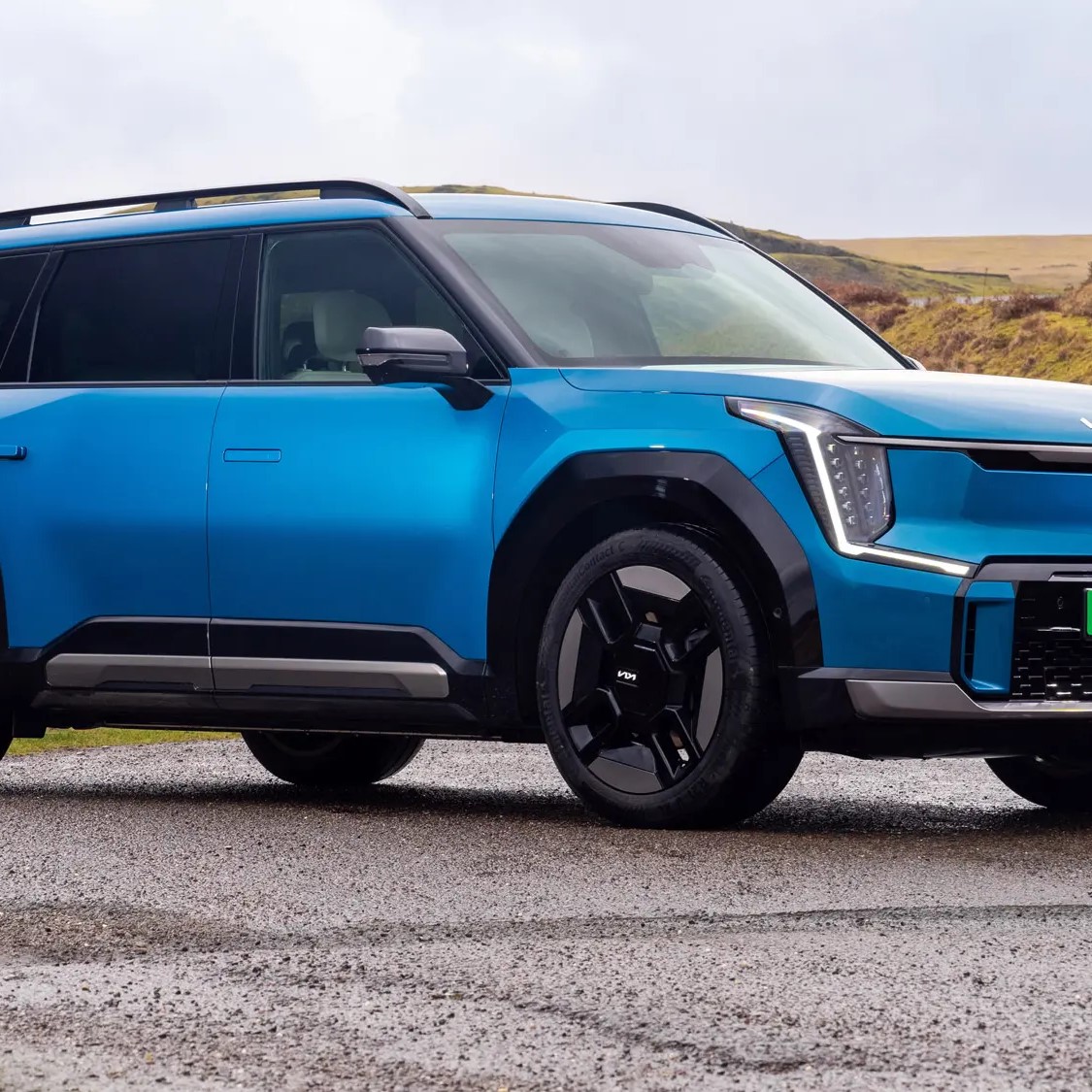 Performance and Driving Experience
Electric large SUVs offer a unique driving feel. The low center of gravity comes from floor-mounted batteries. This improves cornering stability. Body roll is minimal, even in large vehicles.
Acceleration is smooth and powerful. There’s no engine noise. The cabin remains quiet. Regenerative braking slows the car when lifting off the pedal. It also recharges the battery.
Steering is precise. Most models use electric power steering. Drivers feel connected to the road. Adjustable steering weight suits different preferences.
Ride comfort is a priority. Air suspension absorbs bumps. It adapts to road conditions. Some models scan the road ahead with cameras.
Off-road capability surprises many. The Rivian R1S has “Rally Mode” for loose surfaces. Portal axles increase ground clearance. Skid plates protect the undercarriage.
Towing is strong. The Ford ELX will tow up to 10,000 lbs. The Rivian R1S handles 7,000 lbs. Trailer reverse assist helps with backing up.
Handling in snow is excellent. All-wheel drive and traction control prevent slipping. Heated seats and steering wheels keep drivers comfortable.
Driver engagement remains high. Despite their size, these SUVs feel agile. Drivers report confidence in all conditions. The electric large SUV is no longer just practical—it’s fun.
Interior Comfort and Technology
Cabin space defines the electric large SUV. Three rows seat seven comfortably. Second-row captain’s chairs improve access. Legroom exceeds most sedans.
Materials are high-quality. Many brands use vegan leather and recycled fabrics. Wood and metal trims add elegance. Fit and finish meet luxury standards.
Seating includes heating, cooling, and massage. First and second rows often have all three. Third-row seats are roomier than in gas SUVs.
Storage is clever. Front trunks (frunks) add extra space. Under-floor compartments hide valuables. Fold-flat seats expand cargo room to over 80 cubic feet.
Infotainment is central. Most use touchscreens with intuitive menus. Wireless Apple CarPlay and Android Auto are standard. Over-the-air updates fix bugs and add features.
Sound systems impress. Brands like Bang & Olufsen and Meridian offer 20+ speakers. 3D audio creates an immersive experience. Noise cancellation enhances clarity.
Rear entertainment keeps passengers busy. Dual screens mount behind front seats. Kids stream videos or play games. HDMI and USB inputs support devices.
Ambient lighting sets the mood. Multiple colors and zones create a personalized feel. Lights respond to music or driving mode.
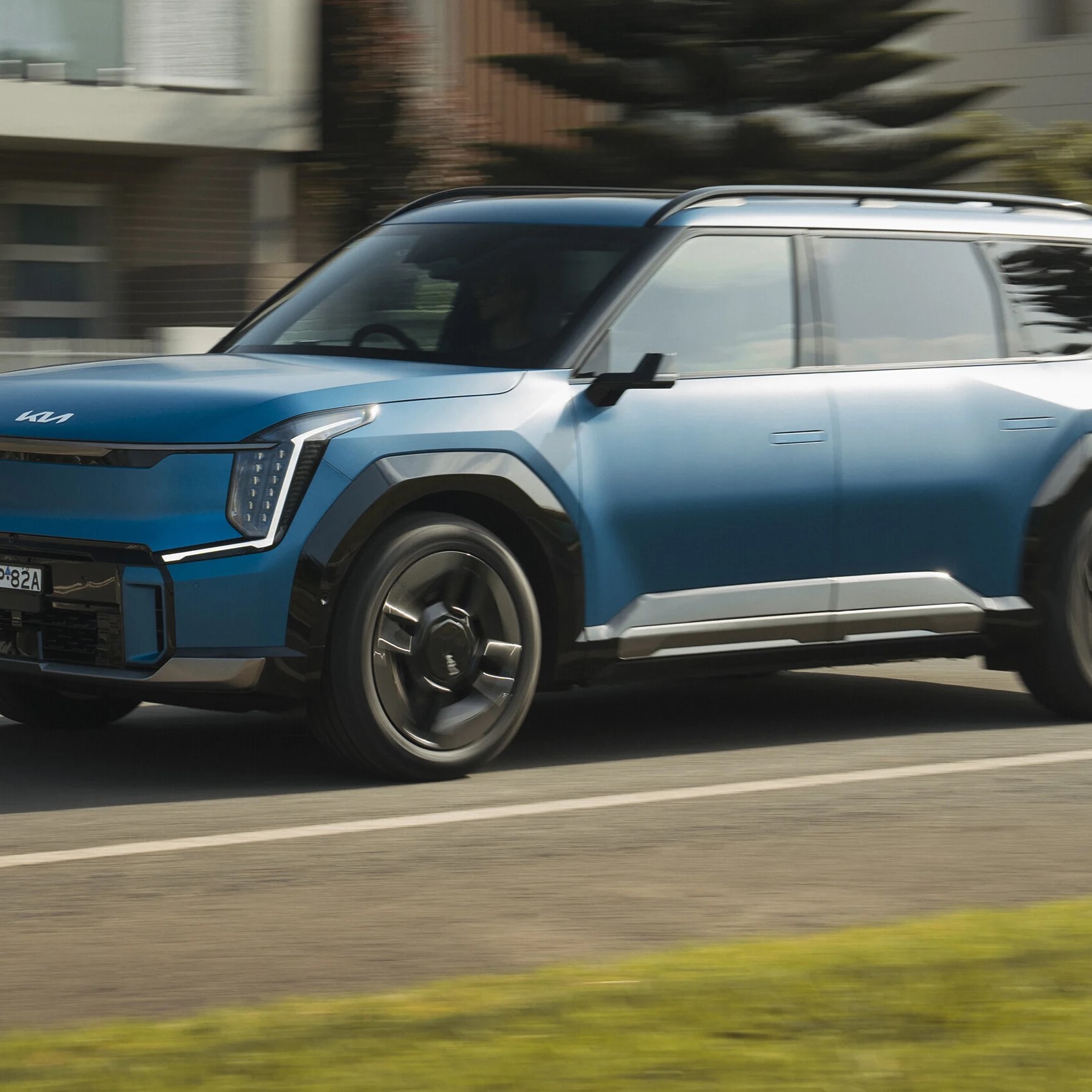 Environmental and Economic Benefits
Electric large SUVs reduce carbon emissions. They produce zero tailpipe pollutants. Even when charged on the grid, their lifetime emissions are lower than gas vehicles.
Home solar panels can power them. Some owners charge only with renewable energy. This makes driving nearly carbon-neutral.
Maintenance is minimal. No oil, filters, or spark plugs. Brake wear is low due to regenerative braking. Tires and cabin filters are the main consumables.
Federal and state incentives help. The U.S. offers up to $7,500 tax credits. Some states add rebates. Leasing deals often include tax advantages.
Resale value is strong. High demand keeps prices up. Tesla and Rivian models hold value well. Battery health reports build buyer confidence.
Insurance costs are higher. These vehicles are expensive to repair. Advanced sensors and cameras add cost. Shop around for the best rates.
Fuel savings add up. Over five years, owners may save 5,000 8,000. This offsets higher purchase prices. Total cost of ownership becomes competitive.
Charging Infrastructure and Road Trip Readiness
Charging networks are growing fast. Tesla’s Supercharger network has over 1,500 stations in the U.S. Other brands use the Electrify America, EVgo, and ChargePoint networks.
Plug compatibility is improving. Most non-Tesla models use CCS ports. Adapters allow Tesla drivers to use other stations. NACS adoption is expanding.
Trip planning apps help. Tesla’s navigation routes through Superchargers. ABRP (A Better Route Planner) supports all brands. Drivers see charger types, availability, and wait times.
Public charging etiquette matters. Move your car after charging. Don’t block spots. Use apps to report outages.
Home charging is ideal. Install a Level 2 charger for faster refills. Electricians can upgrade panels if needed. Many utilities offer rebates.
Long trips are possible. With planning, drivers can travel cross-country. Charging stops double as rest breaks. Many stations are near restaurants and stores.
Cold weather planning is essential. Precondition the car while plugged in. Use seat heaters instead of cabin heat. Pack warm clothes.
Battery degradation is slow. Most lose 1–2% per year. Warranties cover 8 years or 100,000 miles. Battery replacement is rare.
Frequently Asked Questions
Are electric large SUVs safe? Yes. They have high safety ratings. Strong frames and low centers of gravity reduce rollover risk. Advanced safety tech helps avoid crashes.
Can they tow trailers? Yes. Most tow 5,000 lbs or more. The Ford ELX and Rivian R1S exceed 7,000 lbs. Use caution in cold or hilly areas.
Do they work in snow? Absolutely. All-wheel drive and traction control improve grip. Heated components prevent freezing.
How long do batteries last? Typically 150,000–200,000 miles. Some last longer. Warranties protect against early failure.
Are repair costs high? Yes. Parts and labor are expensive. Independent shops may lack training. Dealerships are often required.
Can I charge at home? Yes. Level 1 (120V) works for overnight. Level 2 (240V) is faster. Install a wall connector for best results.
Are they good for families? Excellent. Space, safety, and tech make them ideal. Third rows fit older children. Quiet rides help naps.
What about resale value? Strong for popular models. Tesla and Rivian hold value well. Battery health reports support pricing.
 Final Thoughts on the Future of Large Electric SUV
The electric large SUV is no longer a niche product. It has become a practical, desirable choice for modern families and adventurers. With space, power, and sustainability, it meets today’s needs. As technology improves, these vehicles will only get better.
Innovation continues in battery tech, charging, and design. Autonomy, bi-directional charging, and solar roofs are coming. The electric large SUV is leading the charge into a cleaner, smarter future. Choose one today—and drive the change tomorrow.