The race to build the fastest electric SUV is heating up. Automakers now compete not only on range and comfort but also on raw acceleration and top speed. These vehicles combine spacious interiors, advanced tech, and thrilling performance—all without a drop of gasoline. As battery technology improves, electric SUVs are no longer just eco-friendly—they’re outright exhilarating.
Moreover, buyers want power and practicality in one package. Families need room. Drivers crave excitement. The fastest electric SUV delivers both. From instant torque to silent sprints, these machines offer a new kind of driving joy. This guide explores the leaders in this fast-evolving category.
 What Makes an Electric SUV One of the Fastest on the Road
Key Factors Behind Speed, Acceleration, and Driving Dynamics
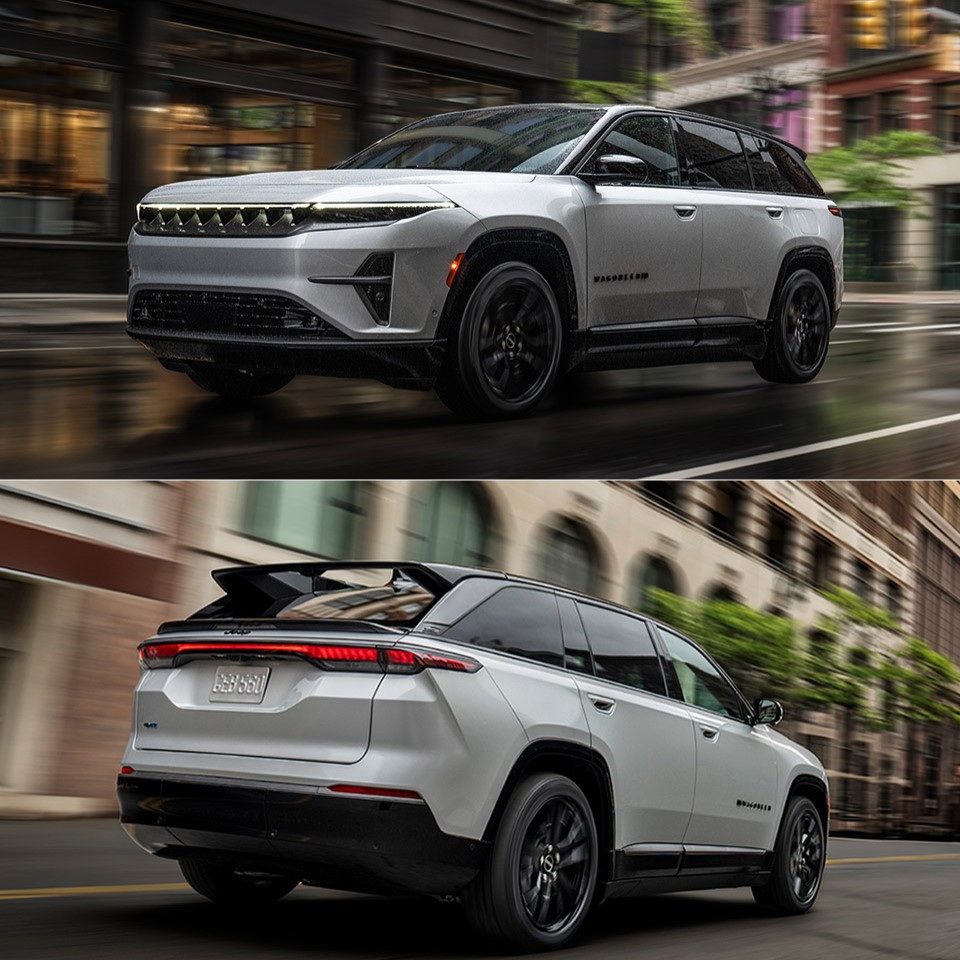
Several elements define the fastest electric SUV. First, dual or tri-motor setups deliver massive power. Multiple motors drive all four wheels. This ensures maximum traction during hard launches. Instant torque from electric motors gives explosive off-the-line speed.
Battery placement also matters. Most EVs store batteries low in the chassis. This lowers the center of gravity. As a result, handling improves significantly. Sharp turns feel stable and confident.
Aerodynamics play a major role too. Sleek body lines reduce drag. Flush door handles and covered underbodies help airflow. Even roof rails are designed to cut wind resistance. Less drag means higher top speeds and better efficiency.
Weight distribution is optimized. Unlike gas-powered SUVs with heavy engines up front, EVs balance weight evenly. Motors at both axles improve grip and control. This enhances cornering and braking.
Advanced software fine-tunes performance. Launch control systems manage power delivery. Traction algorithms adjust in real time. Drivers can switch modes for comfort, sport, or track use.
Finally, high-performance brakes and tires complete the package. Large rotors and sticky rubber stop the vehicle quickly. Without them, speed would be dangerous. Together, all these features create a truly fast electric SUV.
Top Contenders for the Title of Fastest Electric SUV
Leading Models That Push the Limits of Performance
One standout is the Tesla Model X Plaid. It hits 0–60 mph in just 2.5 seconds. With a top speed of 163 mph, it ranks among the quickest SUVs ever made. Its three-motor system produces over 1,000 horsepower. Range reaches 348 miles on a full charge.
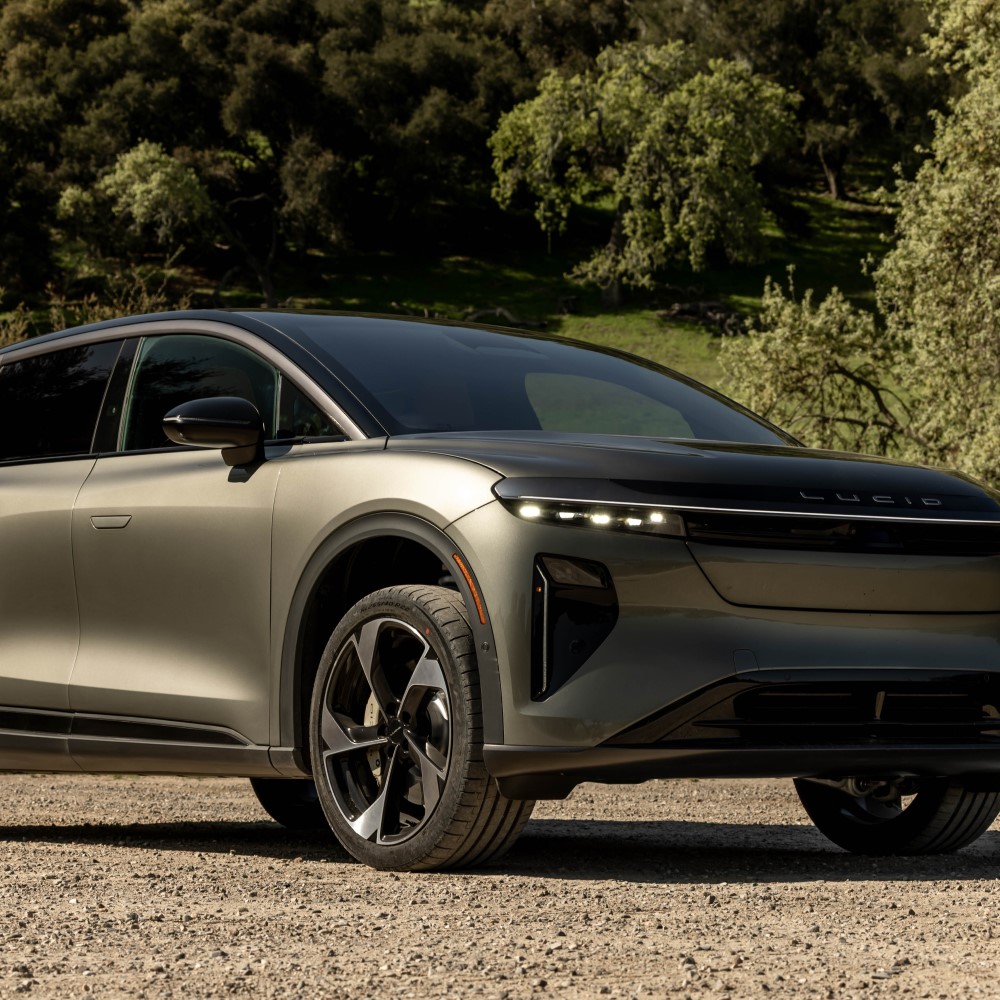
Next is the Lucid Gravity Sapphire. Though newly announced, it promises extreme power. Early specs suggest 1,050 horsepower and sub-3-second 0–60 times. Expected range exceeds 440 miles. It includes launch control and track-ready cooling.
The Porsche Cayenne Turbo GT E-Hybrid is another strong contender. While not fully electric, its plug-in hybrid system delivers 670 horsepower. It accelerates to 60 mph in 3.1 seconds. Porsche’s tuning makes it agile and precise.
Rivian R1S Launch Edition offers off-road strength with supercar speed. It hits 60 mph in 3.0 seconds. Quad-motor setup powers each wheel independently. Adaptive air suspension adjusts for terrain.
Mercedes-AMG EQE SUV 53 impresses with luxury and pace. It goes 0–60 in 3.4 seconds. AMG-tuned motors provide aggressive throttle response. Dynamic handling suits spirited driving.
BMW iX M60 combines elegance and muscle. Dual motors make 610 horsepower. It covers 0–60 in 3.6 seconds. xDrive system adapts to road conditions.
Each model brings unique strengths. Some focus on track performance. Others blend family space with speed. All prove that electric SUVs can be thrilling.
 How Battery Technology Enables Extreme Speed in EVs
The Role of Power Delivery, Cooling, and Energy Density
Battery design directly impacts performance. High-voltage architectures allow faster energy release. Many top models use 800-volt systems. These reduce heat and support rapid charging. They also sustain peak power longer.
Thermal management is critical. Liquid-cooled battery packs stay within safe temperatures. During hard acceleration, heat builds quickly. Efficient cooling prevents slowdowns or damage.
Energy density determines how much power fits in limited space. New chemistries like nickel-rich cathodes increase output. Solid-state batteries may arrive soon. They promise even greater performance.
Regenerative braking helps too. It recovers energy during deceleration. This extends usable range between charges. Drivers can use aggressive driving styles more often.
Battery layout affects weight and balance. Flat packs mounted beneath the floor improve stability. This allows sharper handling at high speeds. Structural integration strengthens the chassis.
Fast-charging capability supports repeated use. The fastest electric SUV must recharge quickly. Many support 200+ kW charging. Some add 200 miles in under 20 minutes.
Manufacturers test batteries under extreme conditions. Simulated mountain drives and track loops verify durability. Real-world reliability ensures long-term performance.
Driving Experience: What It Feels Like to Pilot the Fastest Electric SUV
Silent Power, Instant Response, and Confident Control
Driving the fastest electric SUV feels unlike anything with an engine. There’s no roar—just silence. Yet, your body gets pushed into the seat. The instant torque creates a surge that surprises even seasoned drivers.
Acceleration is linear and relentless. No gear shifts mean no interruptions. The car pulls harder all the way to top speed. This smoothness makes high velocity feel natural.
Steering remains precise. Electric power steering systems adjust based on mode. Sport settings add weight and responsiveness. You feel connected to the road.
Braking is equally impressive. Regenerative systems slow the car smoothly. Blending with friction brakes avoids jerky stops. One-pedal driving works well in cities.
Cabin noise stays low. No engine hum means conversations are easy. Wind and road noise are minimized through insulation. Long trips remain relaxing despite high speeds.
Driver aids enhance confidence. Adaptive cruise control works on highways. Lane-keeping assists during fatigue. These features don’t distract from performance. Instead, they support safety.
Every drive becomes engaging. Whether commuting or cruising open roads, the experience feels special. Speed meets serenity in a way only EVs can deliver.
 Charging Infrastructure and Real-World Usability of High-Speed EVs
How Owners Keep Their Fastest Electric SUV Ready for Action
Owning a high-performance EV requires reliable charging access. At home, Level 2 chargers refill overnight. Most owners install 240V wall connectors. A full charge takes 8–12 hours depending on battery size.
Public fast-charging networks expand rapidly. Tesla’s Supercharger network leads in availability and speed. Other brands use CCS or NACS ports. Many stations offer 150–350 kW charging.
Location matters. Plan routes around charging points. Apps like PlugShare show real-time availability. Avoid remote areas without backup options.
Cold weather reduces range and charging speed. Preconditioning the battery helps. Some cars warm the pack while en route to a charger. This restores full charging rates.
Daily usability remains high. These SUVs still carry passengers and cargo. Trunk space and seating suit families. Tech features include navigation, Wi-Fi, and voice assistants.
Service needs differ from gas cars. Fewer moving parts mean less maintenance. No oil changes or exhaust work. Brake wear is lower due to regen braking.
Insurance costs can be higher. Performance models attract premium rates. Shop around for coverage. Safety ratings and driver-assist tech may reduce premiums.
Environmental and Economic Impact of Owning a Fast Electric SUV
Long-Term Savings and Reduced Emissions Despite High Initial Cost
Electric SUVs produce zero tailpipe emissions. This reduces air pollution and greenhouse gases. Even when charged on mixed grids, their carbon footprint is lower than gas vehicles. Over time, this benefits climate goals.
Operating costs are lower. Electricity is cheaper than gas per mile. Home solar panels can eliminate fuel costs entirely. Maintenance savings add up over five to ten years.
Resale value remains strong. High-demand models like the Tesla Model X hold value well. Limited competition keeps prices stable. Early adopters often recover most of their investment.
Battery recycling programs grow. Companies reclaim lithium, cobalt, and nickel. Closed-loop systems reduce mining needs. Future production will rely more on recycled materials.
Manufacturers invest in sustainable plants. Solar-powered factories build these vehicles. Water usage and waste are monitored closely. Ethical sourcing of raw materials improves.
While initial purchase prices are high, incentives help. Federal tax credits apply in many regions. State rebates and HOV lane access add value. Lower fuel and service bills improve ROI.
As battery costs decline, prices will follow. The fastest electric SUV may soon become accessible to more buyers. Innovation continues to drive affordability.
 Frequently Asked Questions
Are fast electric SUVs safe? Yes. They undergo rigorous crash testing. Low centers of gravity reduce rollover risk. Advanced driver aids improve safety.
Do they handle well? Absolutely. Weight distribution and adaptive suspensions ensure sharp handling. Many outperform gas-powered rivals.
Can they tow? Some can. Rivian R1S and Ford Explorer EV offer strong towing capacity. Check manufacturer limits before loading.
Is insurance expensive? Often yes. High performance and repair costs raise premiums. Compare quotes before buying.
How long do batteries last? Most last 10–15 years. Warranties cover 8 years or 100,000 miles. Degradation is slow with proper care.
Do they lose speed over time? Not significantly. Software updates may even improve performance. Thermal management preserves output.
Can I drive one in winter? Yes. Heated seats and steering wheels add comfort. Snow mode improves traction. Preheating the cabin saves battery.
Are charging stations widely available? Growing fast. Urban and highway areas have good coverage. Rural zones may require planning.
 Final Thoughts
The fastest electric SUV represents the future of performance driving. It merges power, space, and sustainability in one dynamic package. As technology advances, these vehicles become faster, smarter, and more efficient.
From the Tesla Model X Plaid to upcoming models like the Lucid Gravity Sapphire, the competition pushes boundaries. Now that you understand what sets them apart, choosing the right one becomes easier. Embrace innovation and experience the thrill of electric speed. The journey toward the fastest electric SUV continues to accelerate.